The Coffee Shop Boom
1 August 2026
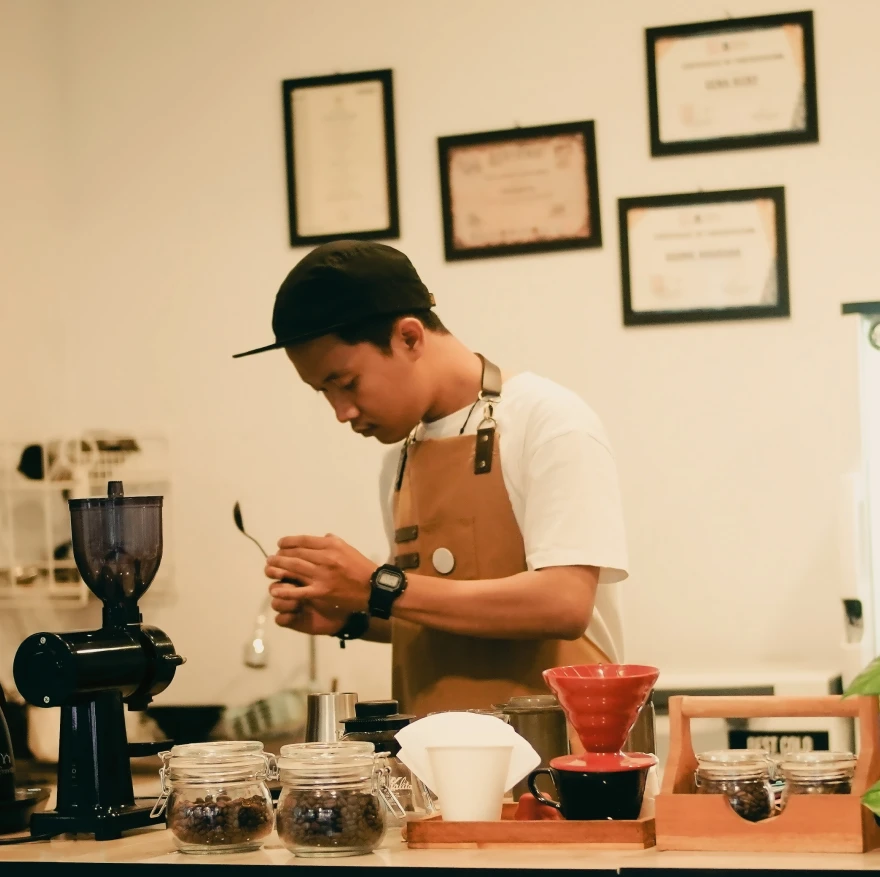
Indonesia is one of the world's largest coffee-consuming nations, a thirst that keeps spawning new coffee shops. Sharpening the competition among them.



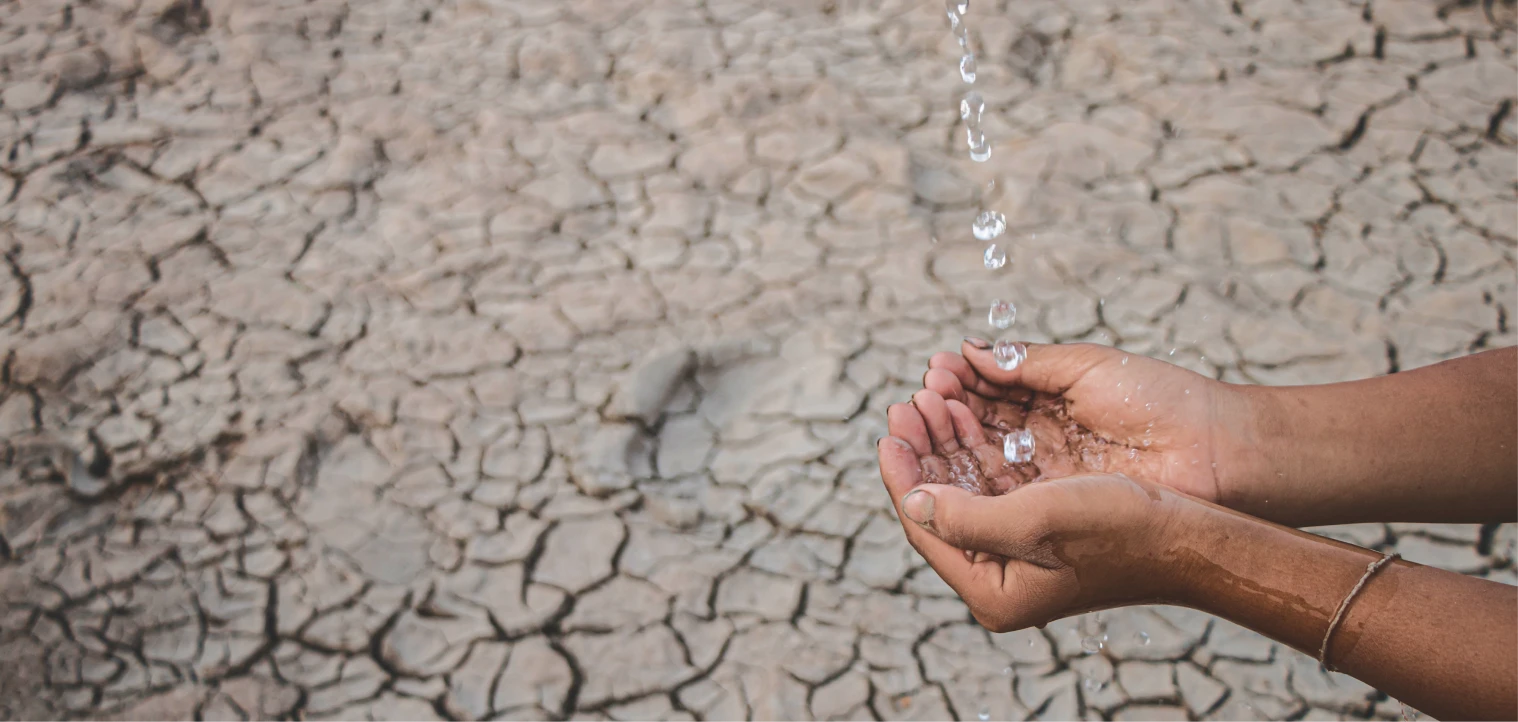
That afternoon, people were still queuing long lines to receive their clean water rations. The men wore sarongs and some donned shorts, while the women wrapped turbans to shield their scalps from the scalding sun. The water shortage persists annually, yet government assistance has not been adequate.
“Some members of the group and I didn’t have time to bathe because it was so challenging to access clean water. We had to trek far into the river valleys to find springs for water. Still, the flow was also minimal,” recalled Prof. Ir. Sarjito, M.T., Ph.D., who at that time was still assisting the people of Tli’u, East Amanuban, South Central Timor, East Nusa Tenggara, in the 9-year compulsory education program with MPM.
Read also: How Muhammadiyah Brought Light and Education to Tli’u
The Community Empowerment Council (MPM) of Muhammadiyah Central Board, which is still continuing its community service program in education, experienced a water shortage in the limestone village. Although MPM’s arrival was not specifically focused on addressing clean water issues, witnessing and experiencing the water shortage firsthand with the villagers prompted MPM to take the initiative to solve the problem plaguing Tli’u for weeks.
Some villagers mentioned that the water shortage stemmed from insufficient rainfall and the drying up of the river, whose hundreds of families in Tli'u relied upon to fulfill their daily needs. Additionally, barren and dry land has exacerbated the situation.
“We are working on revitalizing clean water, aiming not only to meet the daily needs of villagers but also to support the agricultural sector and other production sectors. The first step involves collaborating with experts from Universitas Muhammadiyah Surakarta (UMS), Universitas Gadjah Mada (UGM), and Institut Teknologi Bandung (ITB) to conduct an assessment,” Sarjito continued.
According to Sarjito's, ITB initially visited Tli’u to research the possibility of discovering a new spring. Meanwhile, UGM participated in discussions held in Yogyakarta.
“We eventually identified a location, but the drilling needed to reach 200 meters deep. We were pessimistic and thought it was nearly impossible. Eventually, UMS also dispatched a team. I was accompanied by the late Dr. Imam Hardjono and Mr. Rudiyanto from the UMS geography laboratory,” Sarjito recalled.
Sweat began to pour down Sarjito temples as they caught their breath after the long trek to the river valley. Despite the fatigue, the late Imam wasted no time observing the surrounding land, undeterred by the lingering exhaustion.
“The late professor’s hypothesis was that, considering the landscape at that time, logically the lowest point must have a basin that allows water to accumulate. Upon further investigation, we observed a depression with stagnant water as deep as 1.5 meters. He then recommended excavation, as drilling would cause the water to seep into deeper soil, considering that the soil in Tli’u is limestone,” Sarjito explained.
Exhausted from enduring water shortages, the villagers trusted Sarjito and the team’s expertise. Donations from UMS and support from the Universitas Muhammadiyah Yogyakarta (UMY), Universitas Muhammadiyah Kupang (UMK), and Universitas Muhammadiyah Prof. Dr. Hamka (UHAMKA), moves the team to begin excavation.
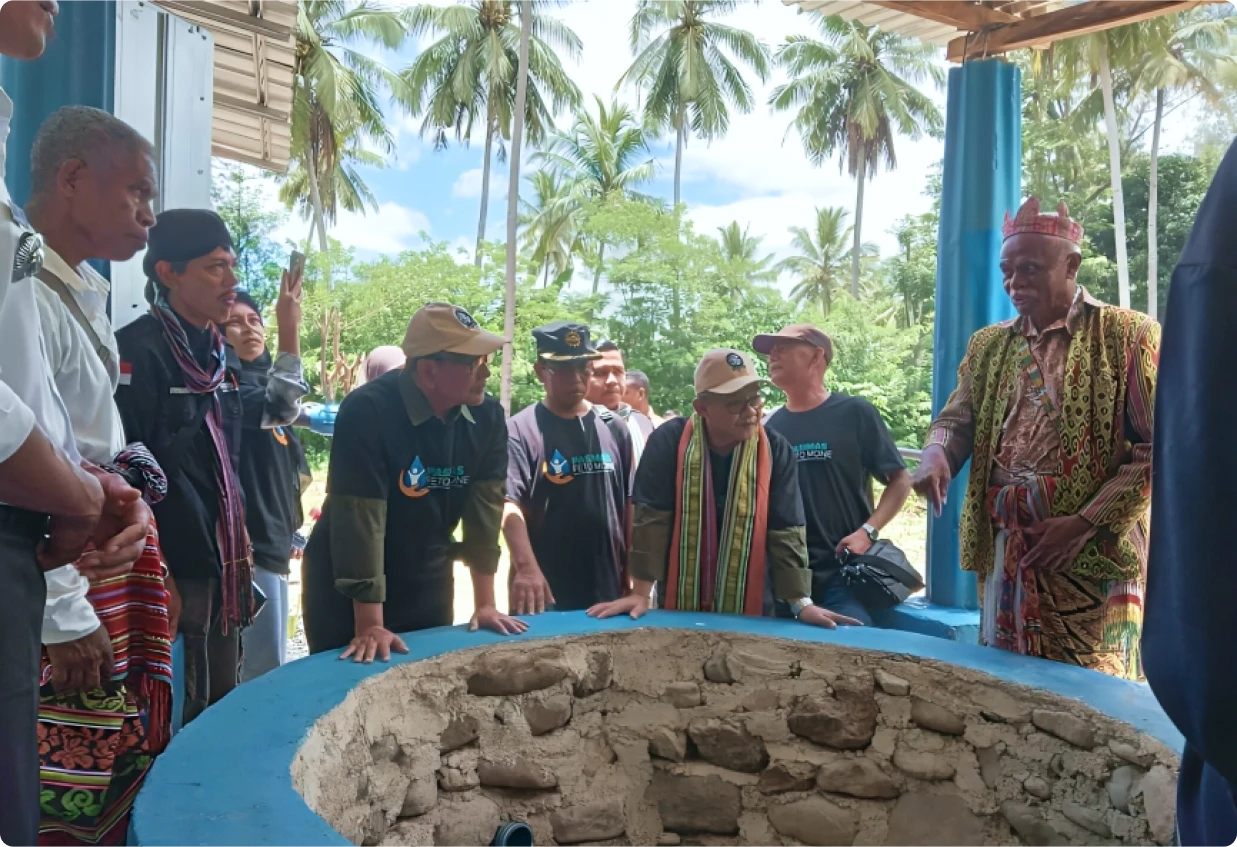
“By collaborating with the villagers, we dug a new spring three meters deep. After a few days, some villagers took the initiative to excavate land not far from the first site, about 7-10 meters away. Upon investigation by the UMS team, it was found that the water discharge at that point was significantly higher,” he recalls, nodding slowly.
Muhammadiyah’s efforts continued. Sarjito and his team brainstormed ways to ensure the water could reach the village. Eventually, they partnered with one of Indonesia's leading water companies and collaborated with Lazismu to finance the water elevation project. The water needed to be raised in five stages to reach every villager's home.
“Through these extensive processes, we were ultimately able to elevate the water and inaugurate a new clean water source in Tli’u. Once the water shortage issue was resolved, we then turned our attention to another pressing problem: the issue of arid land hindering farmers and ranchers in Tli’u. To address this, we deployed KKN (student community service) to assist and support dryland farmers and ranchers in the area,” Sarjito explained.
The coaching process conducted by the KKN student team is multifaceted, encompassing various activities. These include training sessions on agricultural and livestock techniques tailored for dry land conditions and counseling on sustainable natural resource management. Additionally, the team offers assistance in procuring necessary facilities and infrastructure, such as simple irrigation systems and enhancing the quality of animal feed. Sarjito is optimistic that with these, farmers and ranchers in Tli’u can improve their productivity and welfare.
Towards the end of the conversation, Sarjito recounted a flashback about the mosque's construction, which would serve as a place of worship for the Muslims of Tli’u. Previously, the Muslim community worshiped Allah in a small surau (small mosque) with a tasseled roof, using mats for prayer. Even wudhu (ablution) required collecting rainwater with buckets.
“In the previous year, me and my colleagues constructed a mosque in the vicinity of Muhammadiyah Tli’u Elementary School. Upon arrival, we recognized the urgent need for attention to the local mosque. Besides serving as a place of worship, the tassel-roofed surau also served as an open space for communal activity like gathering and meeting. However, due to its old and fragile condition, the team felt compelled to build a new mosque. The surau still stands, approximately 15 meters away from the new mosque,” Sarjito explained.
The UMS Faculty of Engineering professor supervised the mosque construction project, involving the local community every step of the way. Residents contributed daily by cleaning the site and assisting the builders in various tasks. Eventually, their collective efforts culminated in the successful inauguration of the new mosque.
A few minutes before the noon call to prayer, Sarjito concluded the conversation by unveiling another empowerment plan for Tli’u. “In the future, we plan to visit Tli’u again to introduce micro hydro alternative energy, which will be utilized to provide electricity, particularly to mosques. Hopefully, this initiative will come to fruition soon,” he remarked.
Writer: Genis Dwi Gustati
Editor: Al Habiib Josy Asheva
Translator: Farizal Luqman Majid
Indonesia is one of the world's largest coffee-consuming nations, a thirst that keeps spawning new coffee shops. Sharpening the competition among them.
Nothing’s more special than reading curated news just for you.
Subscribe to the UMS Newsletter for free today.