How Sheep Manure Turns into Nutrient Rich Fertilizer
16 July 2026
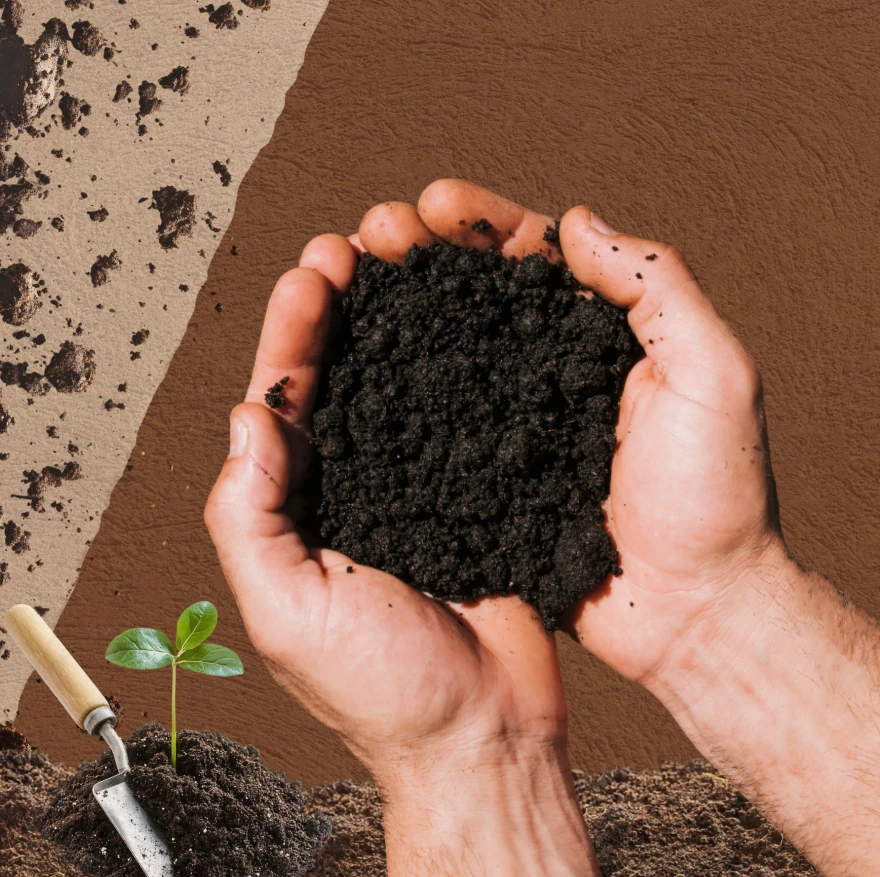
Sheep dunged nutrient-rich organic fertilizer for plants, made with the help of maggots. Built on community empowerment and a zero-waste principle.



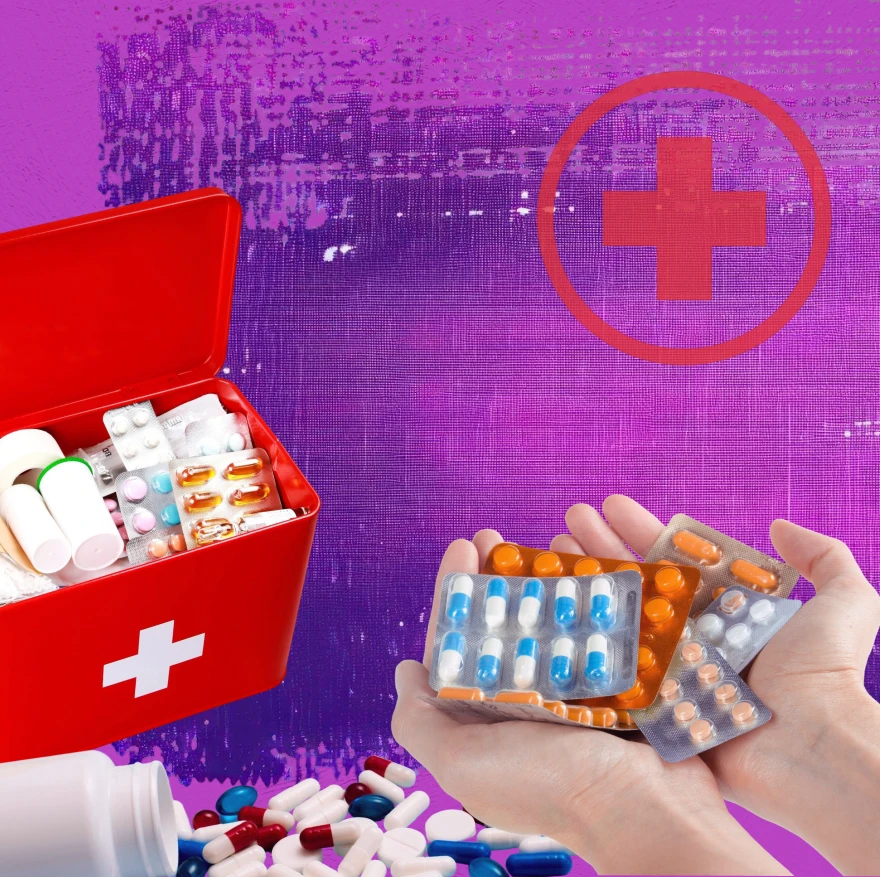
The Public Health program is a popular choice among high school and vocational school students. Many public and private universities, including Universitas Muhammadiyah Surakarta (UMS), offer this major. If you’re curious about what it entails, let’s explore what this field has to offer.
Public health is both a science and an art that focuses on addressing health and disease issues through promotive and preventive efforts.
Public health experts primarily focus on health improvement and disease prevention. Their goal is to create healthier communities, ensuring that people can be more productive and avoid various diseases.
Dr. Yuli Kusumawati, S.K.M., M.Kes., the Head of the Bachelor of Public Health of UMS, mentioned that this program welcomes high school (SMA) students from all majors and students from vocational schools (SMK).
“Vocational school students are eligible, provided they have a background in science or natural science,” he said. “This is because they will need to study Basic Biomedical material.”
Yuli emphasized that both science and social studies high school students can prepare themselves by strengthening their basic academic skills and studying biomedical science, which is fundamental to understanding health and disease. Prospective Public Health students must meet several requirements, including being physically and mentally healthy, not colorblind, having a minimum height of 150 cm for men and 148 cm for women, and being graduates of SMA or MA in Science (IPA) or SMK in health and social work fields.
In the Public Health program, social sciences play a crucial role as well. “Social sciences are applied to influence behavior change, manage health services, and advocate for health policies,” Yuli added.
The Public Health course centers on understanding the concepts of health and illness, particularly in the context of preventing and controlling diseases or health problems. Students will explore a wide range of diseases, including infectious and non-communicable diseases, diseases caused by environmental factors, occupational diseases, and the fundamental principles of disease prevention and control.
The public health course covers diseases and health, as well as health services management. This includes learning how to manage supporting health services and how to effectively plan and implement programs and projects aimed at addressing various health issues.
You will also develop skills in health data analysis, which is a crucial competency for providing evidence-based insights and advocating for health policy decisions.
The Public Health program at UMS typically takes between 3.5 to 4 years to complete. Upon successfully finishing your studies, you will earn a Bachelor of Public Health (S.K.M.) degree.
“Hmm... What courses are offered in Public Health?” Here, you’ll explore topics such as biomedicine, epidemiology, health promotion, and health service management. The courses you will study include:
Biomedics
In addition to these core courses, you will also take specialization courses. Specialization courses are available starting in the sixth semester, with some introductory courses offered in the fifth semester. The UMS Public Health program provides five specialization groups, which are:
When it comes to job opportunities, Public Health graduates have a wide range of prospects. This is because Public Health graduates are prepared to work in various health-related organizations and other agencies, such as:
Additionally, the professions that a Bachelor in Public Health can pursue are pretty diverse, including:
Well, that’s an overview of the Public Health Department. So, what do you think? Are you interested in pursuing this major?
Writer: Gede Arga Adrian
Editor: Al Habiib Josy Asheva
Translator: Farizal Luqman Majid
Sheep dunged nutrient-rich organic fertilizer for plants, made with the help of maggots. Built on community empowerment and a zero-waste principle.
Nothing’s more special than reading curated news just for you.
Subscribe to the UMS Newsletter for free today.