The Sin of Football Betting
26 June 2026
Amid the FIFA World Cup 2026 euphoria, football betting is also spreading through digital platforms and conventional means.
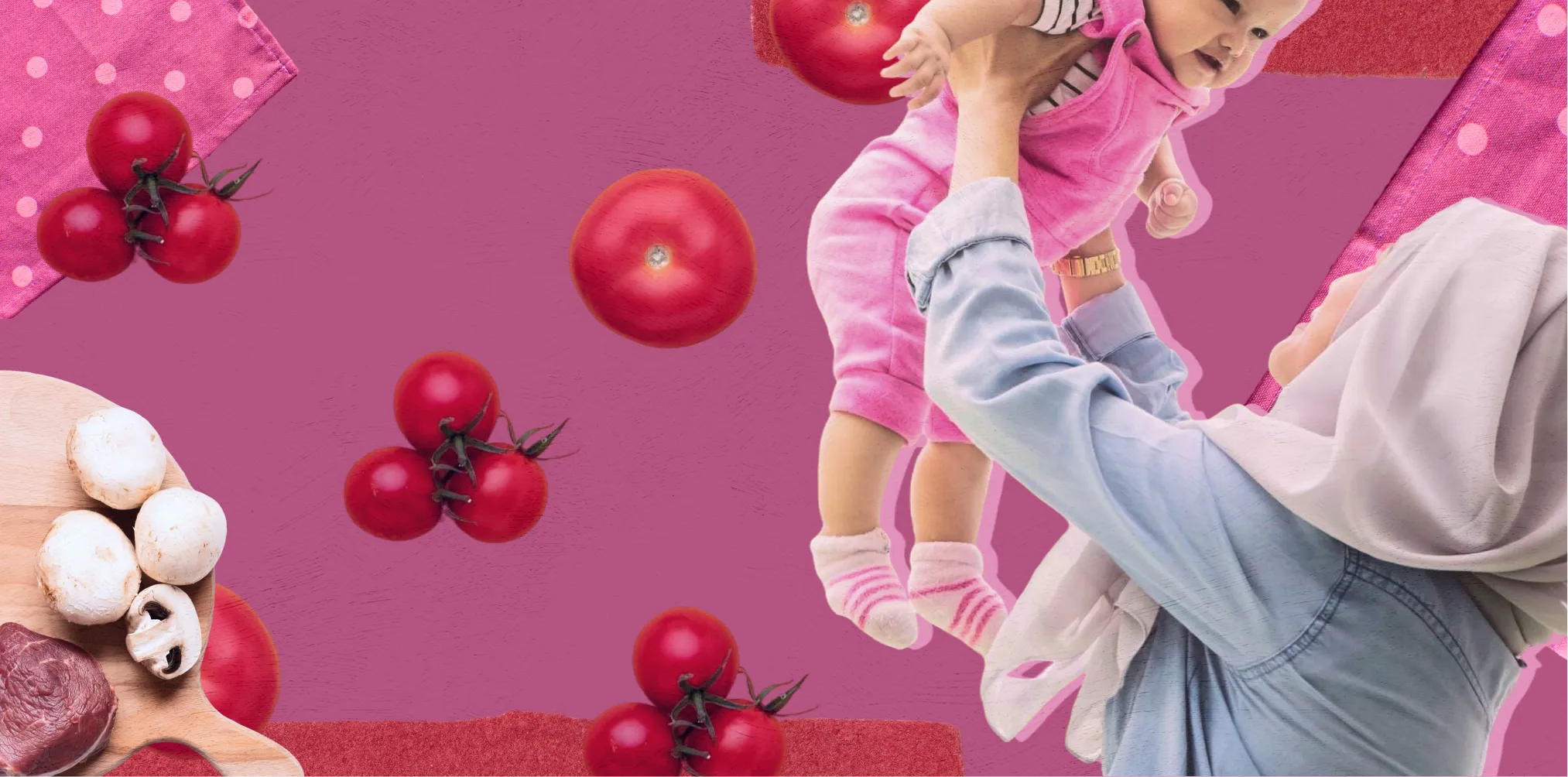
Within the household, a simple decision like "What should the child eat today?" often seems trivial. However, for many mothers, that decision is not always in their hands. Some must adjust to the family's economic conditions, while others feel unable to challenge the habits of their parents or in-laws.
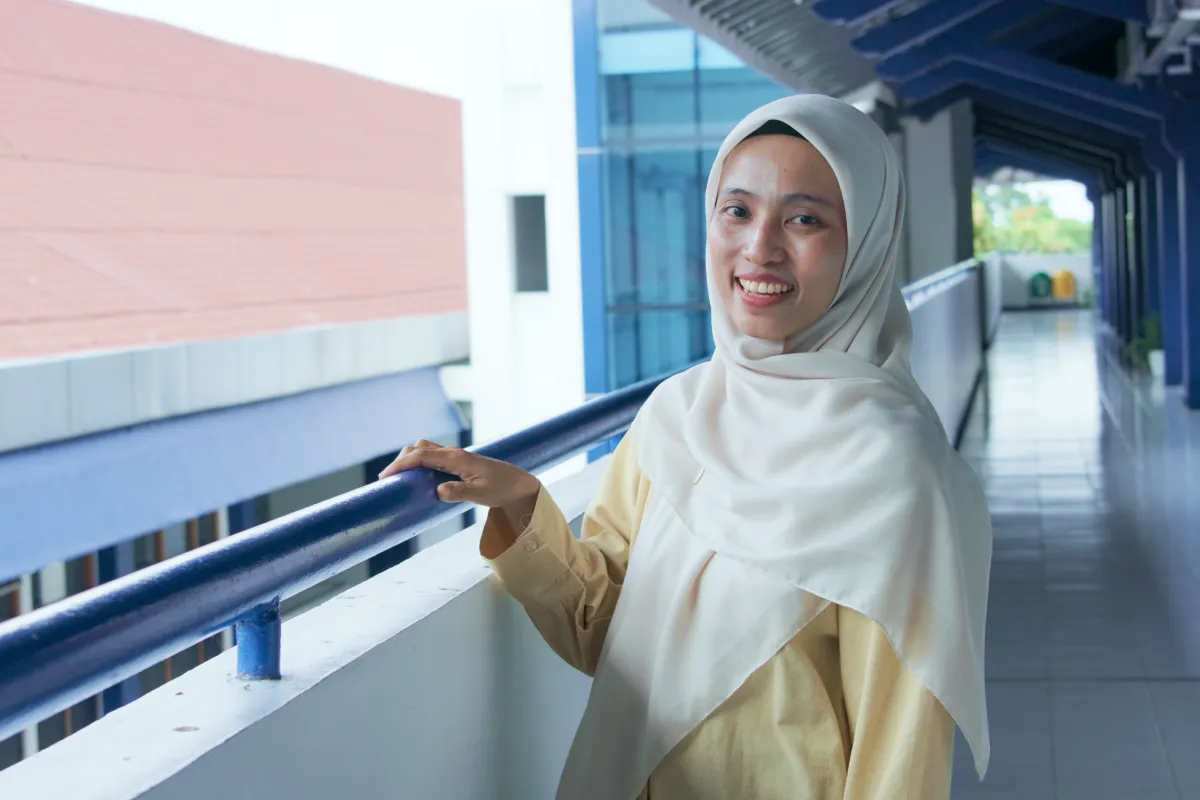
This concern prompted Dr. Siti Nurokhmah, S.Gz., M.Sc., a Nutrition Sciences lecturer at Universitas Muhammadiyah Surakarta (UMS), to study the relationship between women's empowerment and complementary feeding practices. Her interest arose when she observed differences in the progress of addressing nutritional issues across various regions of the world.
"Stunting interventions are actually quite similar, whether in Asia or Africa. But why is the progress different? One factor that may make the difference is the position of mothers within the household," said Siti when interviewed at the UMS Nutrition Diagnosis and Consultation Laboratory on Saturday (11/4/2026).
Siti believed that women who have decision-making power tend to be more capable of making the best choices for their children, including regarding food. This is where the concept of women's empowerment becomes crucial.
"There are many approaches to stunting prevention. I chose to focus on child feeding practices, particularly for children aged 6 to 23 months. During this period, children begin to need additional nutrition beyond breast milk. If the quality of complementary food is inadequate, the child's nutritional needs will not be met, and the risk of growth problems increases," she explained.
Another reason Siti chose to study complementary feeding is that exclusive breastfeeding practices in Indonesia have shown relatively good progress. However, the quality of complementary feeding still lags behind.
"Breastfeeding is already considered on track. But complementary feeding is still poor, and this is one of the direct causes of nutritional problems, including stunting," Siti said.
Stunting is a long-term issue that is difficult to study in a short timeframe. Therefore, focusing on determinants such as complementary feeding practices is considered more strategic.
Siti explained that many nutrition programs have focused on improving mothers' knowledge. However, her research titled "Women's Empowerment-Related Inequalities in Complementary Feeding Practices Among Children Aged 6–23 Months in Indonesia: A Decomposition Analysis" showed that knowledge alone is not enough to support women's empowerment.
"A mother who has sufficient knowledge may not necessarily be able to put it into practice. To implement varied and nutritionally adequate complementary feeding, she needs social support, decision-making space, and the ability to manage resources," she explained.
She cited the example of working mothers who understand proper complementary feeding practices but must leave their children in the care of parents or in-laws. When caregivers have different understandings, mothers often feel reluctant to correct them or assert their choices regarding their child's development.
"There's a sense of hesitation because they're already being helped and don't want to be a burden, that's quite common. If a mother is truly empowered, she can communicate without fear of offending," she added. Situations like this demonstrate that women's empowerment is not just about education but also about one's position within the family.
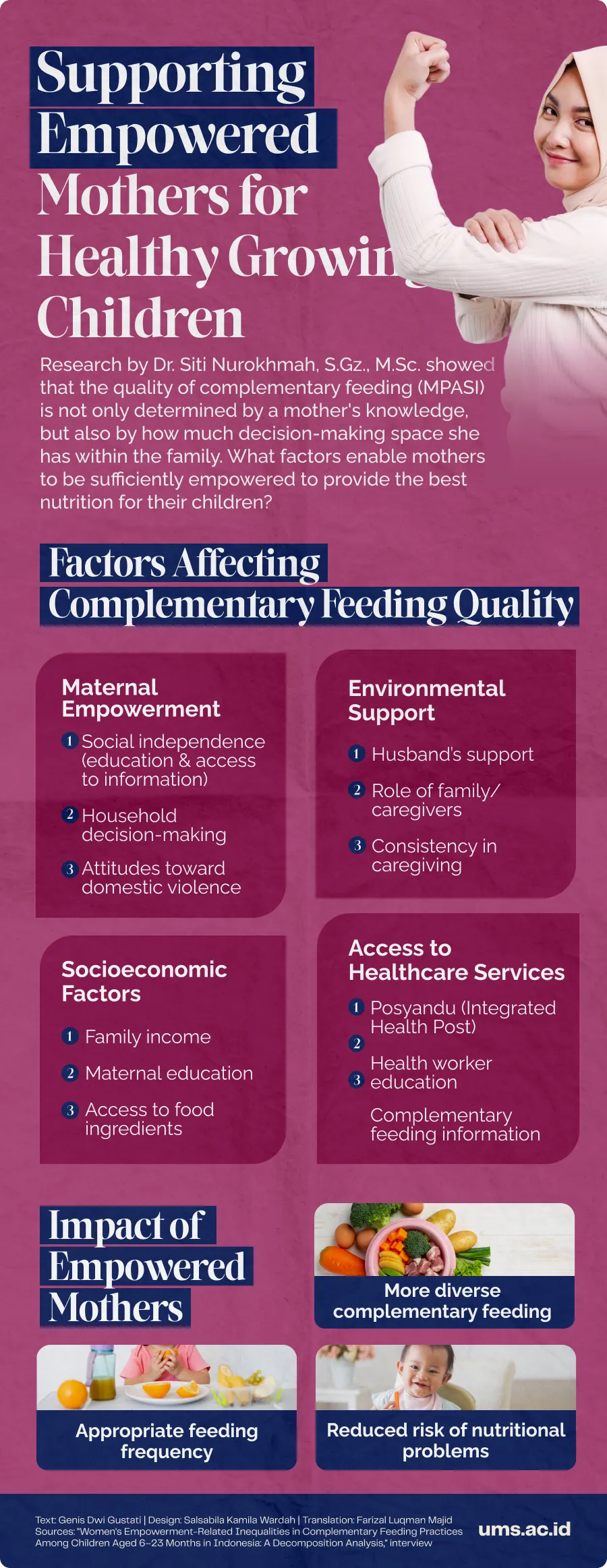
From her analysis of the 2017 Indonesian Demographic and Health Survey (IDHS) data, Siti identified a clear pattern. More empowered mothers tend to provide higher-quality complementary feeding. This is especially true for those who possess social independence, supported by education, a conducive environment, and the confidence to interact and make decisions.
Women's attitudes toward domestic violence also play a significant role in this context. In Siti's analysis, mothers with lower tolerance for violence tend to have stronger bargaining positions within the family.
This position allows mothers more freedom to express their choices, including regarding their child's food. Mothers who feel safe and valued, she said, are more confident in making decisions. Conversely, unequal relationships lead mothers to defer to others' decisions, even when they do not align with the child's nutritional needs.
On the other hand, socioeconomic factors also have taken part. Maternal education, family economic conditions, and access to healthcare services all contribute to the quality of complementary feeding.
"If you don't have adequate income, that's clearly a major problem. But this isn't just about having or not having money, it's about who decides how resources are used," Siti said. Even in families with sufficient economic means, child feeding practices can remain suboptimal if the mother lacks the authority to determine food purchases.
Intervention is not enough if it only provides education. Many programs have focused on improving mothers' knowledge. However, as shown in her research, knowledge does not always translate into practice.
According to Siti, nutrition programs must also ensure that mothers have the space to make decisions based on accurate information. Without this, interventions such as supplementary feeding or health education will not be effective.
"It's not just about focusing on knowledge or perhaps providing the food. We also need to look at the mother's empowerment, does she have the space and independence to make decisions?" Siti said.
A mother may understand the importance of diverse complementary feeding, but decisions about shopping, food choices, and even who cooks are often in someone else's hands.
For this reason, an empowerment approach does not mean strengthening the mother alone. Family support is key. Fathers, grandmothers, or other family members involved in childcare need to receive the same information to ensure consistent feeding practices.
"We shouldn't interpret women's empowerment as making women strong while others remain weak. It's not like that, everyone must support each other," she emphasized.
Finally, Siti highlighted the need for change in how health programs are delivered by the government and relevant agencies. She noted that nutrition messaging has been too focused on mothers, even though childcare is a collective effort. Health messages should be designed to reflect the involvement and support of other family members.
Writer: Genis Dwi Gustati
Translator: Farizal Luqman Majid
Editor: Al Habiib Josy Asheva
Designer: Salsabila Kamila Wardah
Amid the FIFA World Cup 2026 euphoria, football betting is also spreading through digital platforms and conventional means.
Nothing’s more special than reading curated news just for you.
Subscribe to the UMS Newsletter for free today.