
Bank Indonesia Holds Interest Rate at 5.75%, What Is the Impact?
24 July 2026
Bank Indonesia has held its benchmark rate at 5.75 percent, ending speculation of a hike to 6 percent that had circulated in recent weeks.


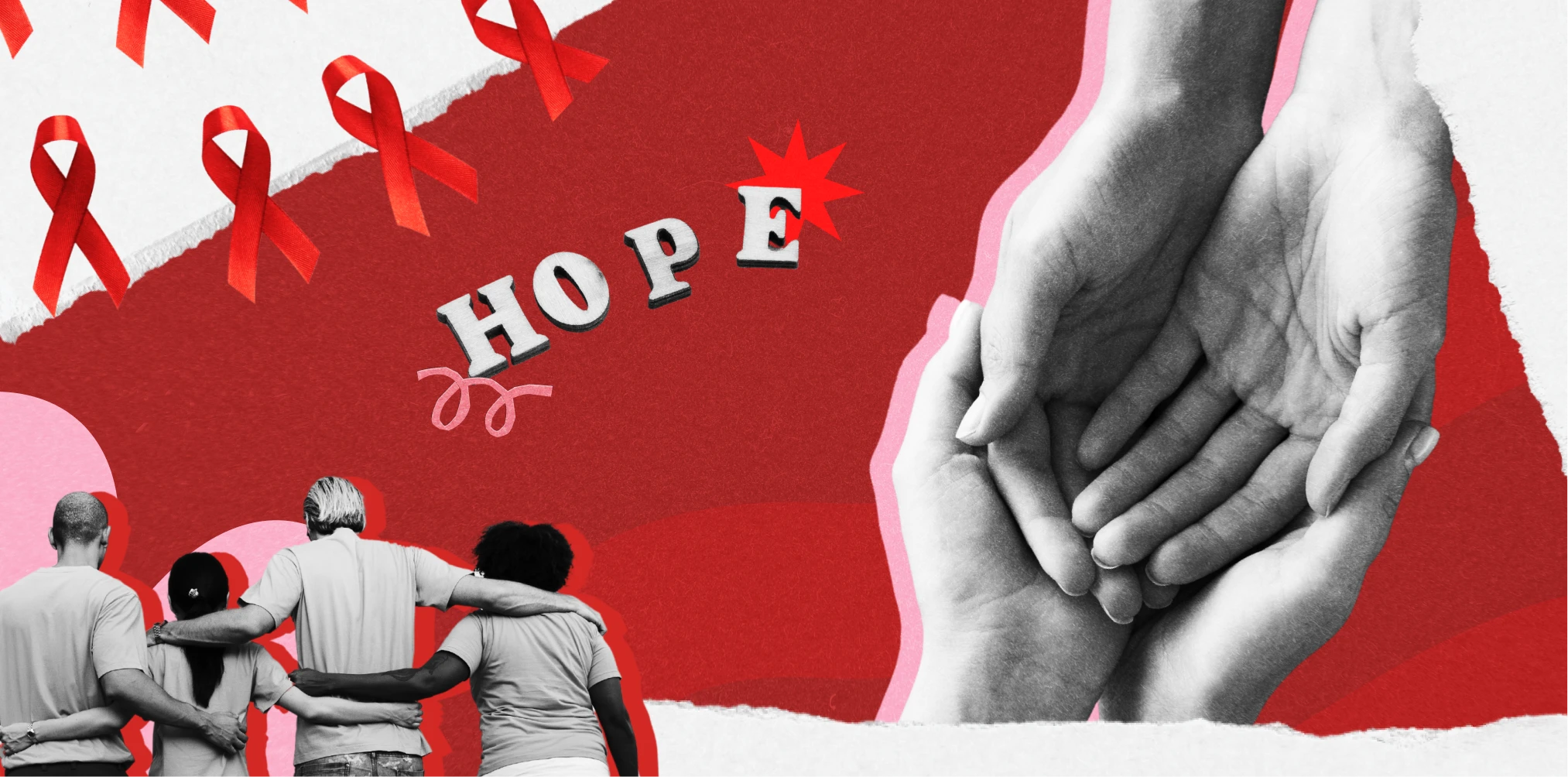
Every individual faces unique challenges in life. Some are born physically healthy and go through life with minimal obstacles. Others, however, must confront severe trials, whether in the form of illness, physical limitations, social stigma, or even all three at once.
Among those experiencing immense pressure are PLHIV. Beyond lifelong dependency on medication, they must also mentally prepare for discrimination, which often comes from society, friends, and even their own families.
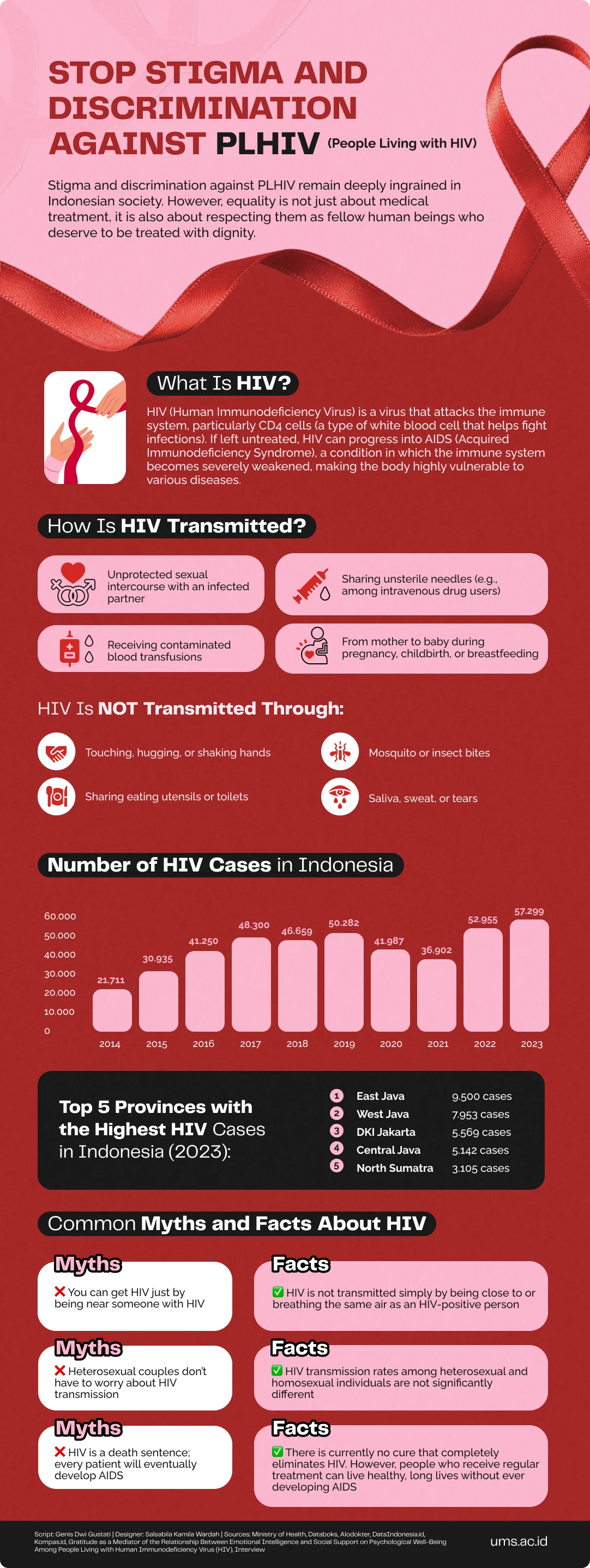
Human Immunodeficiency Virus (HIV) is a virus that attacks the immune system, specifically CD4 cells (a type of white blood cell that fights infections). Without treatment, HIV gradually weakens the immune system, eventually progressing to AIDS (Acquired Immunodeficiency Syndrome).
HIV can be transmitted in several ways, and anyone can contract it, even newborn babies. The virus can spread through various ways, unprotected sexual intercourse with an infected partner, sharing unsterile needles, receiving contaminated blood transfusions, mother-to-child transmission during pregnancy, childbirth, or breastfeeding.
According to DataIndonesia.id, Indonesia’s Ministry of Health recorded 57,299 new HIV cases in 2023, marking an 8.20% increase from 52,955 cases in the previous year
Unfortunately in Indonesia, the stigma surrounding HIV remains deeply entrenched. Many people living with HIV are seen as outcasts, as if they are no longer worthy of dignity and respect.
A tragic case reported by Kompas highlights this issue. A woman, identified as ES, who had HIV/AIDS, was left unburied for hours because local residents refused to prepare her body for burial, fearing infection. Eventually, volunteers from an HIV/AIDS support group stepped in to handle her funeral on Wednesday (29/1/2024).
Another troubling case occurred in East Java. According to the Indonesian Child Protection Commission's website, many parents choose to hide their child's HIV status and even refrain from educating them about the virus. This issue was highlighted by Eka Putri, the HIV Program Coordinator of the East Java Health Office, cited on Wednesday (29/1/2024). The root cause of this, is believed to be the stigma children face when diagnosed with HIV, such as rejection or discrimination at school.
This irrational fear and social rejection only make life harder for PLHIV. Instead of receiving support and understanding, they are often met with discrimination, verbal abuse, and exclusion. This only deepens their isolation, anxiety, and hopelessness about the future.
Amidst the many challenges faced by PLHIV, Dr. Eny Purwandari, S.Psi., M.Si., a clinical psychology practitioner at Universitas Muhammadiyah Surakarta (UMS), with Master of Psychology student, Diajeng Laily Hidayati, was inspired to conduct research on their psychological well-being. Her motivation stemmed from concern for individuals who contracted HIV through no fault of their own. Many women unknowingly became infected by their husbands, who were either intravenous drug users or engaged in other high-risk behaviors.
Through Diajeng, Eny was introduced to Mahakam Plus. This nonprofit organization focuses on peer support and human rights for people living with HIV/AIDS. Intrigued by their work, she decided to conduct research on PLHIV under the umbrella of Mahakam Plus.
According to Eny, who leads the Doctor of Psychology Program at UMS, many PLHIV experience depression, anxiety, and a loss of self-worth due to the stigma they face. However, her research found that emotional intelligence, strong social support, and a deep sense of gratitude can help PLHIV rebuild their mental resilience and live fulfilling lives.
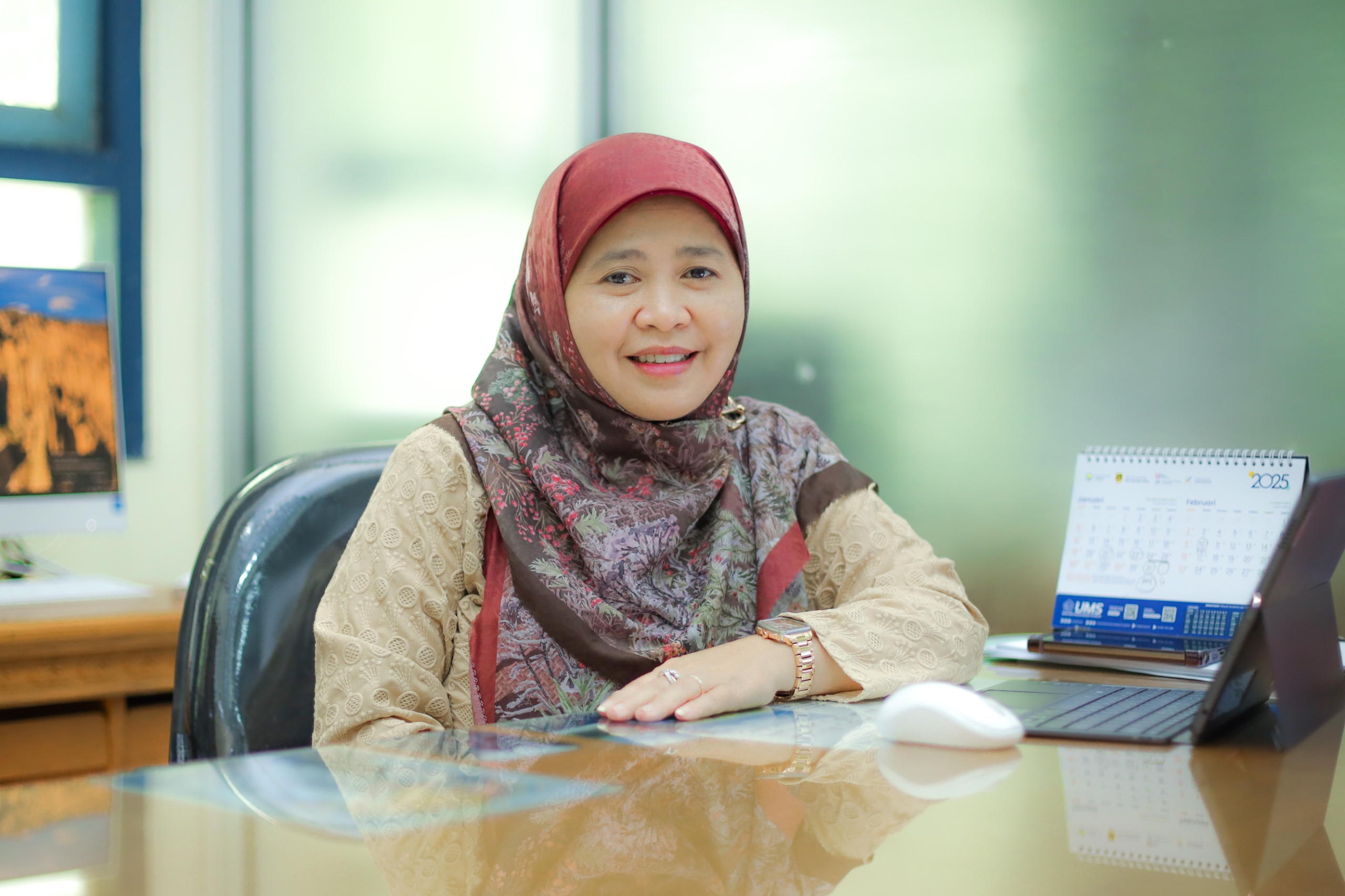
Dr. Eny Purwandari, S.Psi., M.Si. Luqman Hakim/UMS PR
Her research, titled “Gratitude as a Mediator of the Relationship Between Emotional Intelligence and Social Support on Psychological Well-Being Among People Living with Human Immunodeficiency Virus (HIV),” was not done easily. Eny, Diajeng, and two other researchers, Miftahur Ridho and Nuril Hidayanti, took a considerable amount of time to gain the trust of their respondents.
PLHIV are a highly sensitive group that often experiences trauma due to stigma and discrimination. “It’s not easy for them to open up, let alone share personal experiences with outsiders,” she explained.
In addition to coming to terms with living with HIV, PLHIV must also endure stigma and judgment from their surroundings. “These individuals, who have done nothing wrong, must now face illness, lose social support, and deal with stigma that makes them feel alienated. It feels incredibly unfair,” said Eny, when interviewed in her office on Wednesday (19/2/2025)
From her research, Eny identified an interesting pattern, three key elements that significantly contribute to the psychological well-being of PLHIV.
Those with higher emotional intelligence tend to manage stress better and regulate their emotions more effectively when facing life’s challenges.
Second, social support. The presence of family, friends, or community plays a crucial role in helping PLHIV feel accepted and motivated to lead a better life.
Third, a deep sense of gratitude serves as a bridge that strengthens the connection between emotional intelligence and psychological well-being for PLHIV.
In the field of positive psychology, Eny continued, gratitude is recognized as one of the key factors that enhance emotional well-being. Based on the Broaden and Build theory developed by Barbara Fredrickson, (2001;2004) positive emotions, such as gratitude, help expand a person's mindset and build psychological resilience.
According to Eny, PLHIV who cultivate gratitude tend to accept their condition more easily, feel more optimistic about the future, and are better able to see the positives in their lives. Those who practice gratitude are also more motivated to take care of their health and build stronger relationships with the people around them.
“Many of them undergo significant transformations after learning to be more grateful. They start focusing on what they can still do, rather than dwelling on what they have lost,” she said.
Unfortunately, cultivating gratitude is not an easy task, especially for those still struggling with stigma and social pressure. This is why social support from the community has a significant impact in helping PLHIV maintain their mental well-being.
Bank Indonesia has held its benchmark rate at 5.75 percent, ending speculation of a hike to 6 percent that had circulated in recent weeks.
Nothing’s more special than reading curated news just for you.
Subscribe to the UMS Newsletter for free today.