The Scholar Behind UMS's Master's Program in IQT
27 July 2026
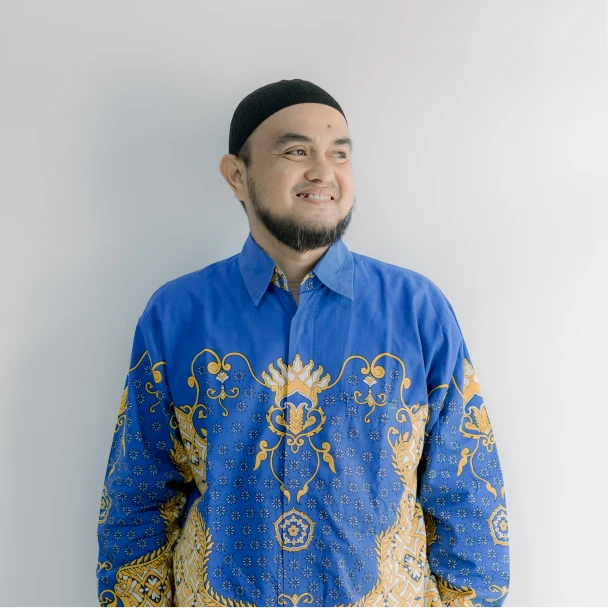
Prof. Andri Nirwana, S.TH., M.Ag., Ph.D., pioneered the Master of Al-Quran and Tafsir Studies as a first step in strengthening Quranic studies within Muhammadiyah.



The needs of patients with terminal illnesses are demanding and raising concerns among nurses in Indonesia. This is because Indonesia is still in the early stages of developing palliative care, especially for cases of advanced-stage cancer. Although national standards for Cancer Palliative Care were established by the Indonesian Ministry of Health, the number of hospitals providing palliative care remains deficient due to the limited facilities for delivering this type of care and the lack of training for nurses.
In response to this issue, Dimas Ria Angga Pribadi, S.Kep., Ns., MSN., Ph.D., a nursing lecturer at the Faculty of Health Sciences (FIK), Universitas Muhammadiyah Surakarta (UMS), recently conducted a study titled "Perspectives of Indonesia Muslim patients with advanced lung cancer on good death: A qualitative study." This research, published in the international journal European Journal of Oncology Nursing and indexed as Q2, explores the perspectives of Muslim patients with advanced lung cancer in Indonesia regarding the concept of a good death.
In essence, palliative care is an approach to improving the quality of life for patients and their families facing terminal illnesses (such as cancer, HIV/AIDS, and others), addressing their physical, psychosocial, and spiritual needs.
"Even though, in the end, patients are living on borrowed time, what's most important is that before that happens, they are psychologically and spiritually prepared, and they are not stressed about their illness or worrying about the family they leave behind," said the Nursing lecturer.
According to him, the development of palliative care in Indonesia lags far behind abroad. Meanwhile, the number of adult to elderly terminal illness patients in Indonesia is increasing significantly.
"I am currently in Taiwan, where the hospitals have dedicated floors or wards for palliative care. For example, for terminal patients who want to get closer to God at the end of their lives, places of worship are provided according to their beliefs, and many other facilities are expected to support care," Dimas continued via a Zoom Meeting on Tuesday (29/8).
The research using respondents (terminal patients) from RSUD Dr. Moewardi Solo yielded interesting findings, including dying without physical discomfort, dying according to beliefs and in the desired place, dying without emotional distress, receiving the needed assistance and support, and establishing a good relationship with medical staff.
Dying with physical comfort is considered the most essential aspect of a good death for most terminal patients. Pain is the most common complaint, so efforts should be made to alleviate the pain experienced by patients.
"These patients are under tremendous pressure, and most of them express that the first thing they hope for when they pass away is to die comfortably," explained Dimas.
Secondly, religiosity is the prime experience of many advanced lung cancer patients. Some of them ponder whether they will pass away with enough faith and whether they will also end up in heaven.
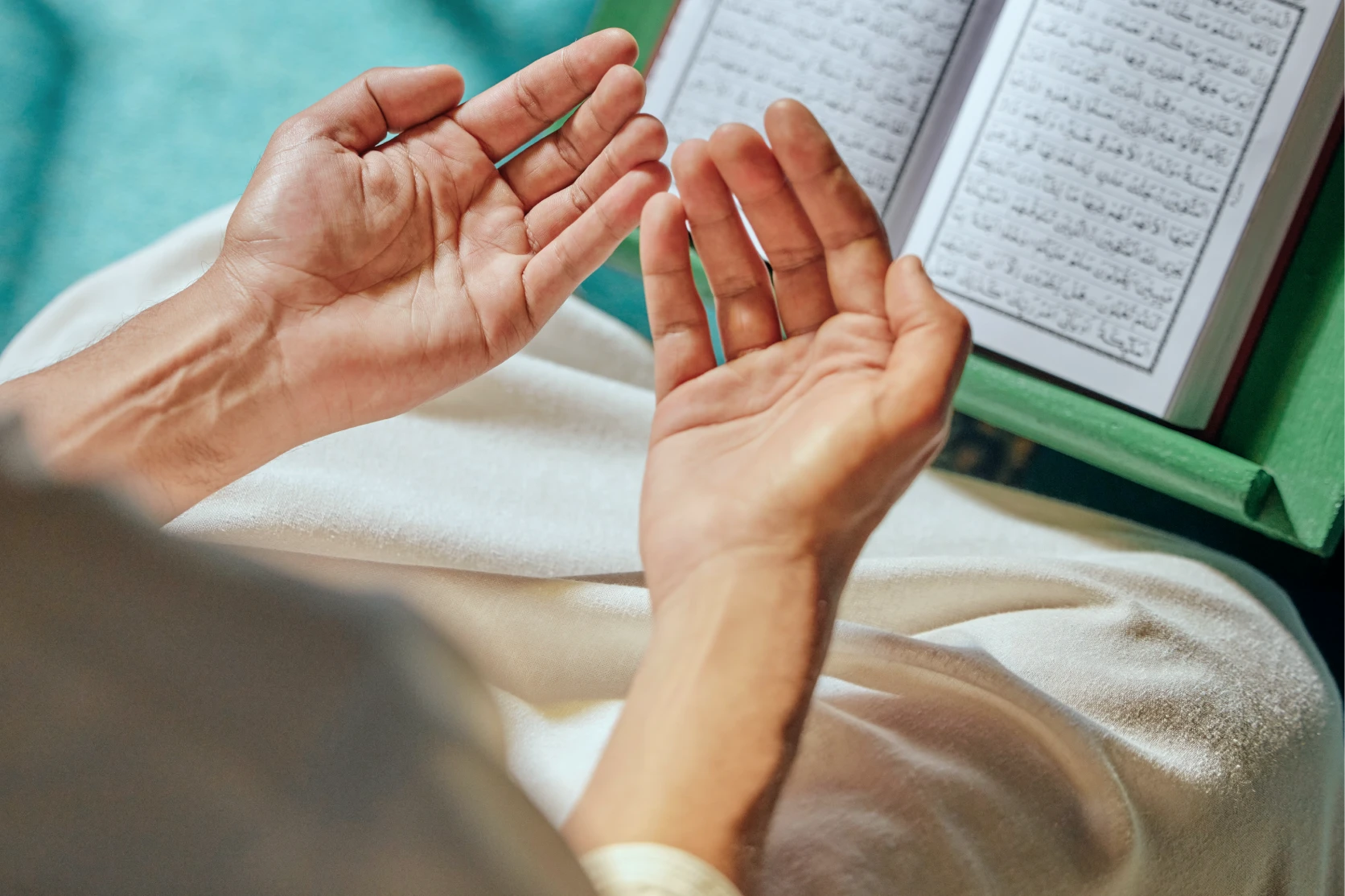
"In Islam, Muslims certainly hope they can attain husnul khatimah. Patients of other faiths also desire something similar as well. Now, concerning that, palliative care can be a bridge to draw them closer to God in the final days of their lives, for example, regular activities like providing a special prayer room, guidance in reciting religious texts, and assisting them in professing their faith," he added.
The third finding indicates that patients with advanced cancer often experience emotional distress, sometimes overlooked by the medical team and even the patient's family. According to Dimas, facilitating the emotional preparation of patients in facing death is crucial for improving their psychological well-being.
"In the context of palliative care, there may need to be facilities such as rooms for patients and their families to discuss their concerns so that issues related to terminal patients can be addressed or improved. The most common problems usually revolve around financial matters," explained Dimas.
Receiving support from family, friends, or colleagues is highly sought by terminal patients. This support can be a motivation to help patients better cope with their illness.
"In essence, it is the strength of loved ones that makes patients feel comfortable and more willing to accept their condition," said the Nursing Lecturer.
Furthermore, Dimas explained that terminal patients experience high emotional pressure when facing death. Therefore, they need support from various parties, especially healthcare professionals.
"The professional and optimal care from medical staff is crucial. Doctors should maximize treatment, and nurses should provide the best care possible, even though most terminal patients know their days are numbered," emphasized Dimas.
Dimas explained that his research faced many challenges, from obtaining permission from the hospital authorities, passing the research feasibility tests, and building rapport and trust with the respondents to get representative interview results. He spent approximately one month collecting data at RSUD Moewardi Solo.
"Collecting the data didn't happen overnight. Patients with terminal illnesses are very sensitive, so it requires intensive and cautious approaches to ensure they are not offended," said Dimas.
"In fact, this research is the first stage (qualitative), where I will proceed to the next stage. The result will be an instrument for measuring palliative care for patients, and it's already completed," explained Dimas.
According to Dimas, the instrument he researched will have an impact on the advancement of palliative care, especially in Indonesia.
"With this instrument, the performance of nurses or the medical team providing palliative care to patients can be measured and evaluated," he added
Furthermore, he explained that the Nursing Study Program at UMS has included a Palliative Care course for its students. Hopefully, students will learn basic knowledge and receive palliative care training during their studies.
At the end of the interview, the lecturer, who completed his doctoral studies in Taiwan, expressed hope that students and lecturers focusing on the field of nursing could take the opportunity to pursue qualitative research.
"The goal is, among other things, to submit articles to journals, and our scope is related to and interacts with humans. We need to delve deeper to understand the needs of patients through this method," Dimas concluded.
Writer: Genis Dwi Gustati
Editor: Al Habiib Josy Asheva
Translator: Farizal Luqman Majid
Prof. Andri Nirwana, S.TH., M.Ag., Ph.D., pioneered the Master of Al-Quran and Tafsir Studies as a first step in strengthening Quranic studies within Muhammadiyah.
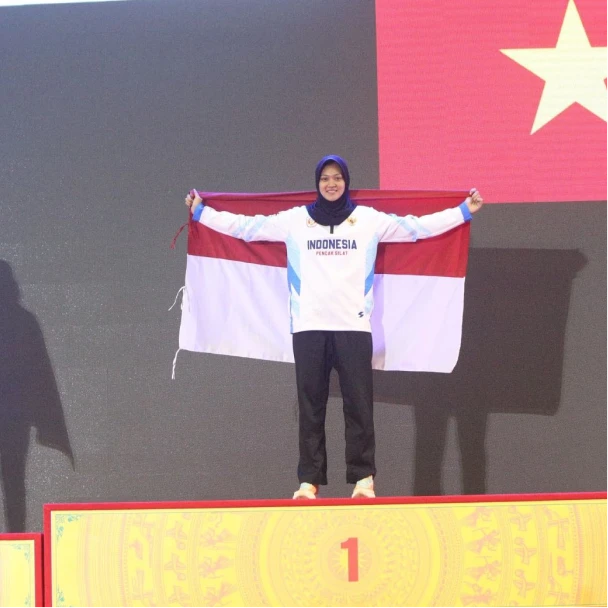
A UMS pencak silat athlete successfully claimed gold at the 10th Asian Pencak Silat Championship 2026.
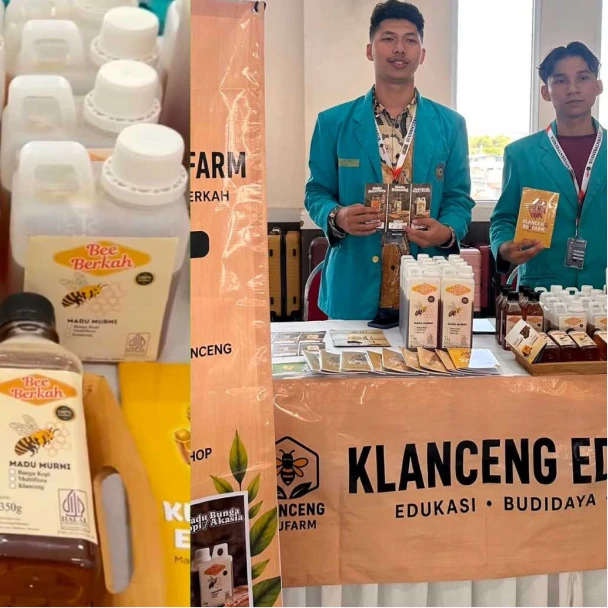
The Klanceng Edufarm startup is planning international expansion after being named national champion at the 2026 Studentpreneur Bootcamp organized by the Muhammadiyah Center for Entrepreneurship and Business Incubator.

Nothing’s more special than reading curated news just for you.
Subscribe to the UMS Newsletter for free today.