
Building the Nation, UMS Presents Awards to Its Alumni
2 August 2026
10 awards were presented to UMS alumni who have created extraordinary impact in their respective fields.



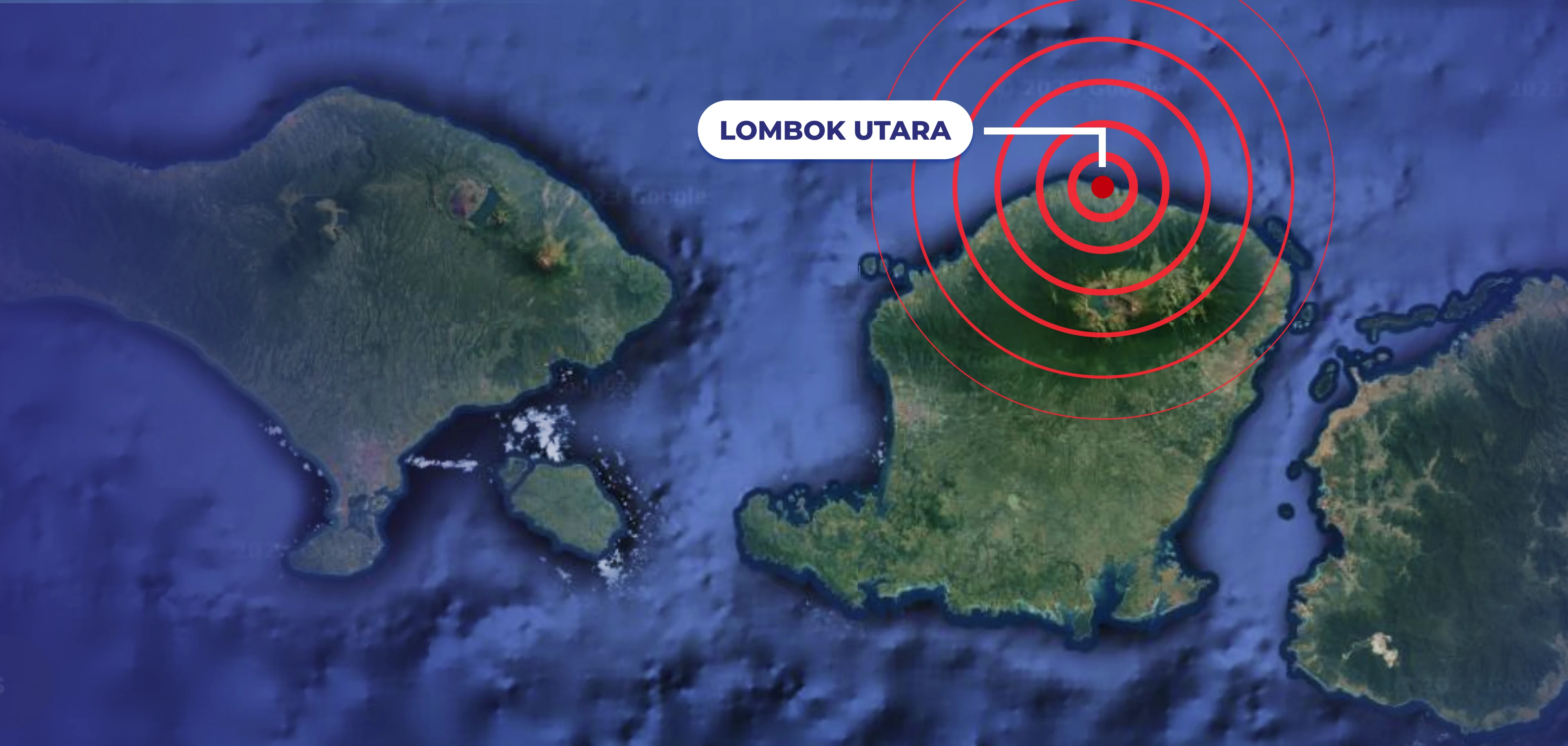
Indonesia is no stranger to seismic activity. This archipelago, often referred to as the Emerald of the Equator finds itself at the juncture of three dynamic tectonic plates: the Eurasian Plate, the Indo-Australian Plate, and the Pacific Plate. This positioning places Indonesia within the infamous Pacific Ring of Fire.
In the year 2022, the Meteorology, Climatology, and Geophysics Agency of Indonesia (BMKG) recorded a total of 10,792 earthquakes. Among these, 205 were of significant magnitude, measuring at M 5 or higher. The majority, comprising 10,587 earthquakes, fell below the M5 threshold. Interestingly, 807 of these could be felt by the population.
Among all the earthquake events in Indonesia, the 2018 Lombok earthquake was one of the rare significant earthquakes. Unlike other earthquakes, which are usually followed by aftershocks with lower magnitudes, the 2018 Lombok earthquake was followed by four aftershocks with magnitudes above 5.
The report from the National Disaster Mitigation Agency (BNPB) states that there were 460 fatalities, 7,733 people injured, and 417,529 displaced individuals. As reported by CNN Indonesia on August 6, 2018, the Head of Data, Information, and Public Relations Center of BNPB, Sutopo Purwo Nugroho, revealed that the Lombok earthquake originated from the Flores arch thrust fault activity at a depth of 15 km, located 18 km northwest of Lombok.
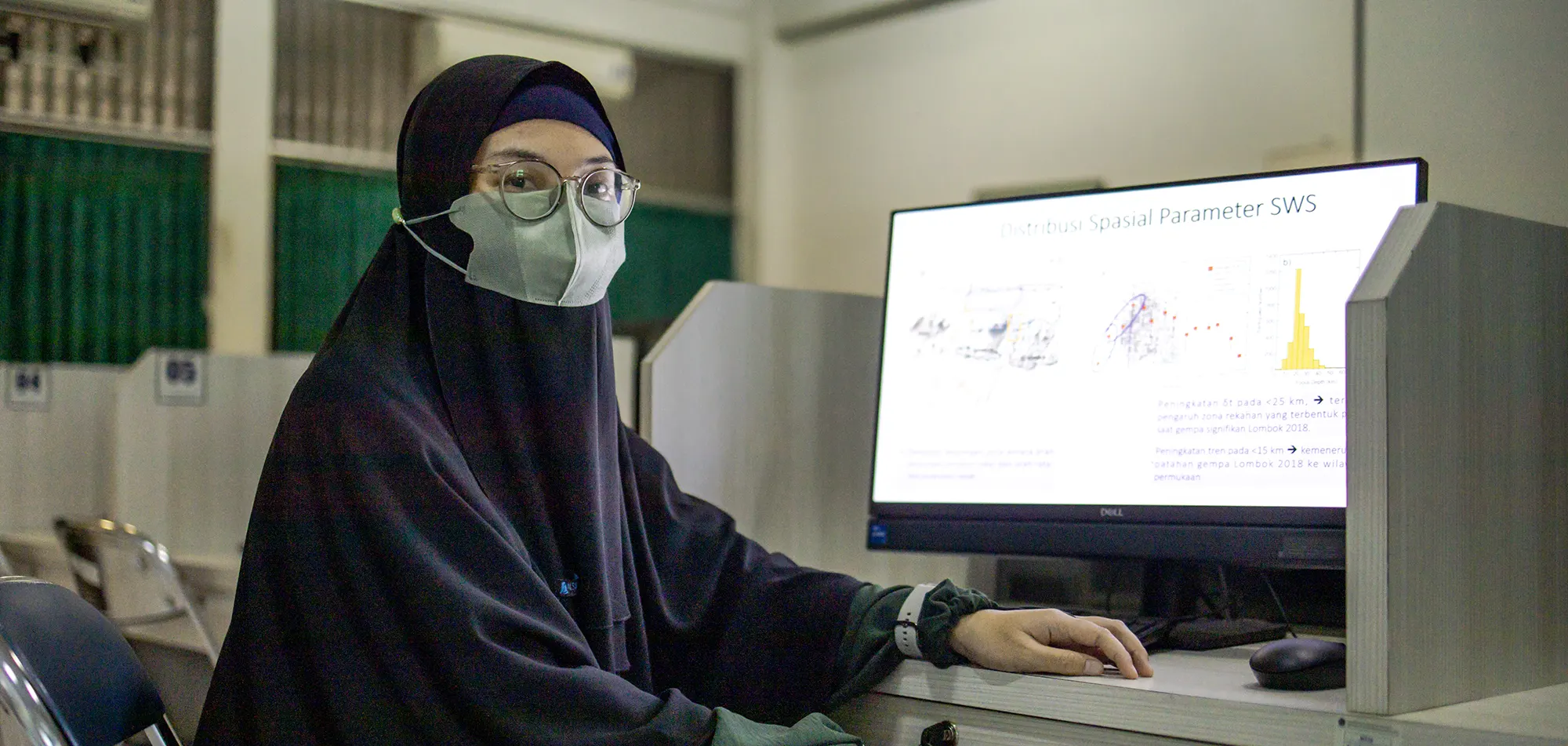
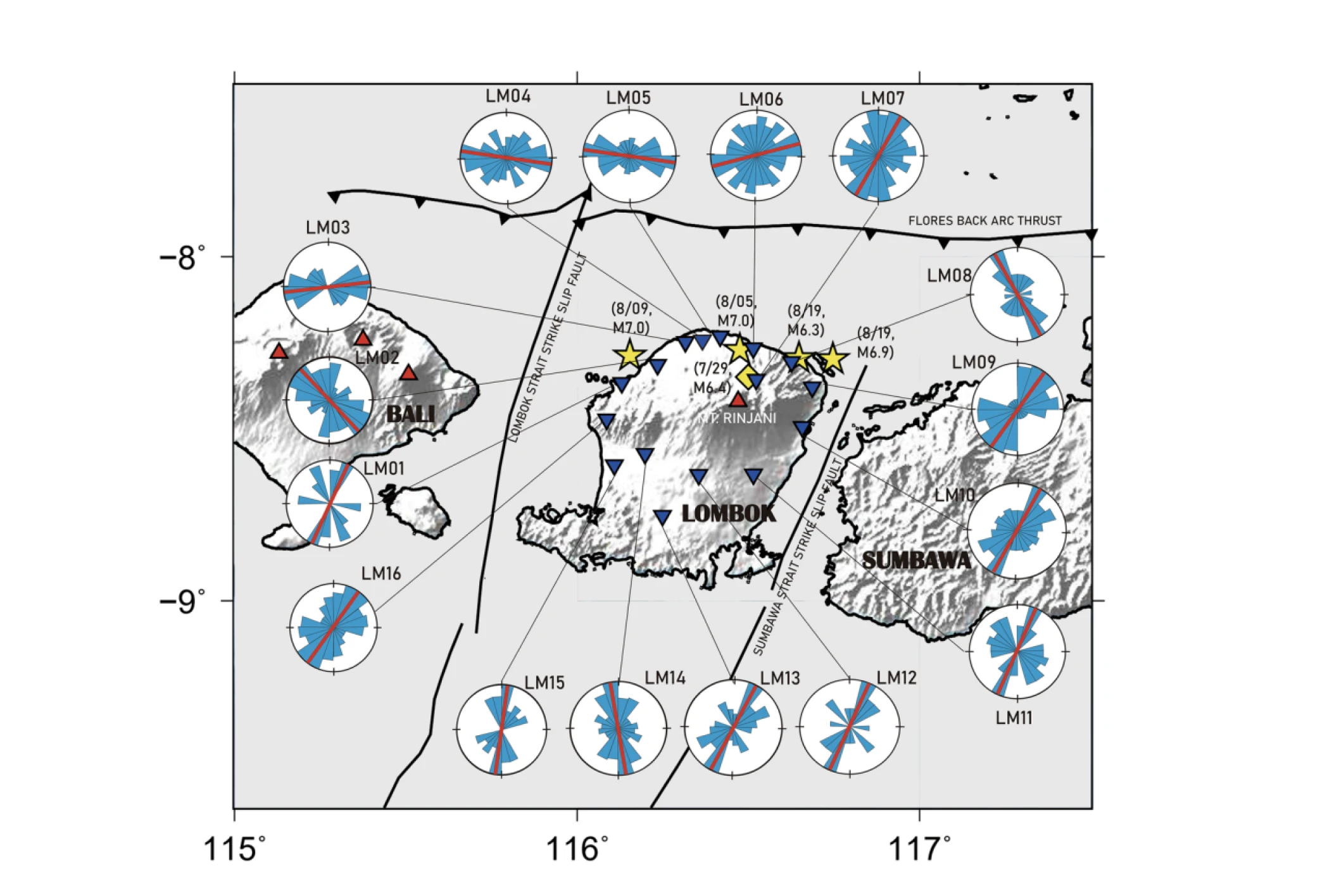
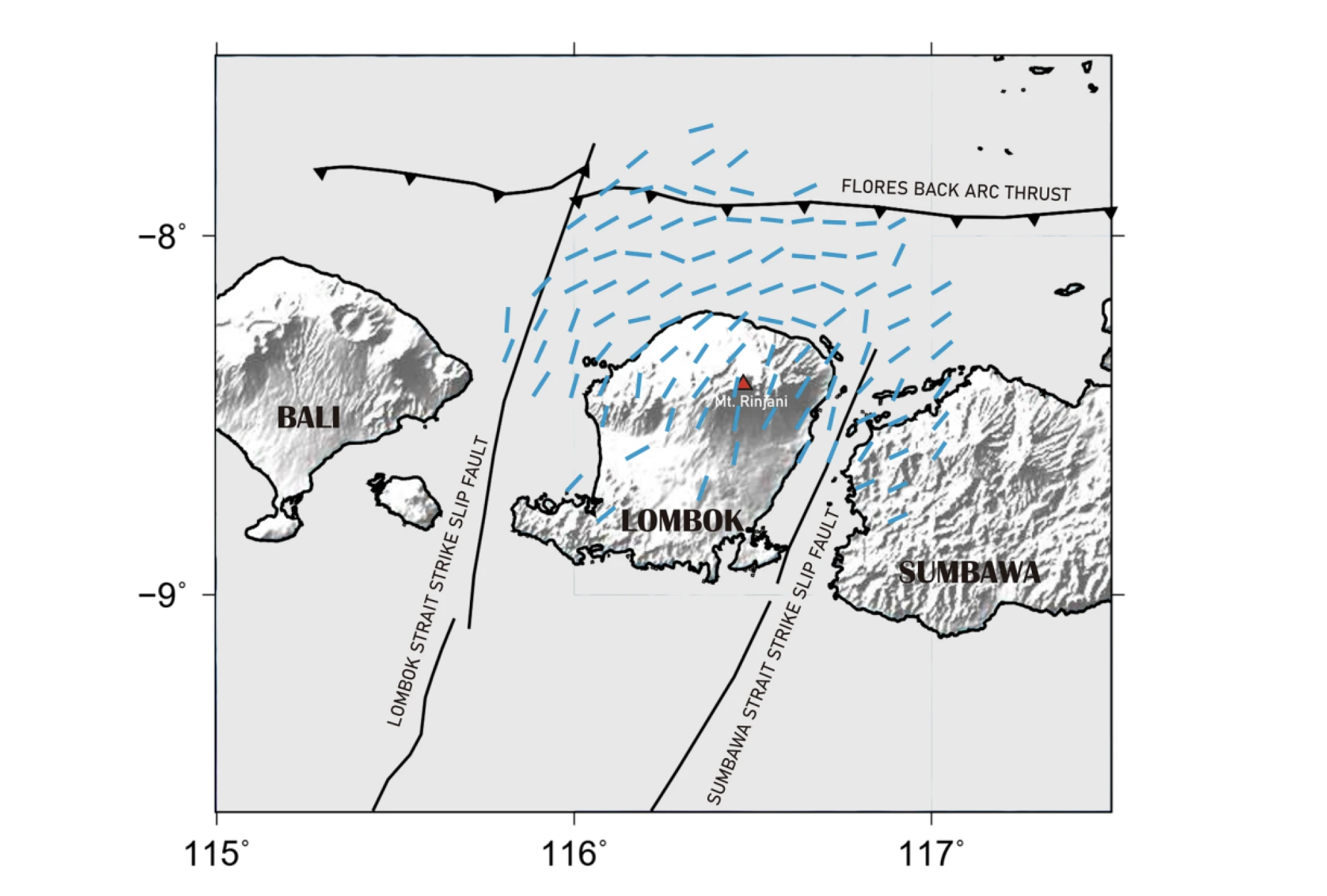
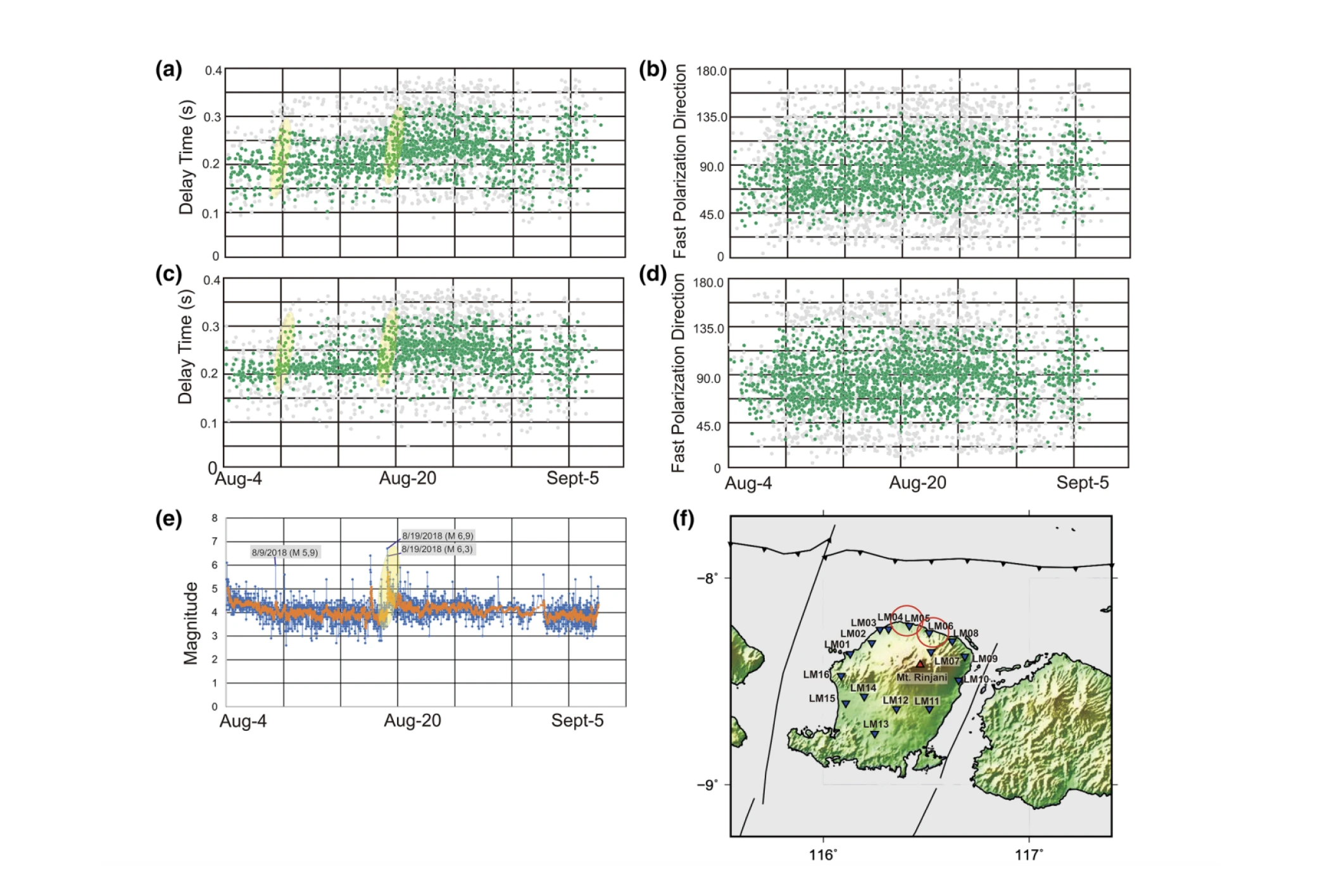
Lecturer of the Geography Department at Muhammadiyah University of Surakarta (UMS), Annisa Trisnia Sasmi, S.Si., M.T., suspects the formation of a new segmentation fault off the northern coast of Lombok Island. This is detailed in her research titled "Separation of Shear Wave in the Aftershock Area of the 2018 Lombok Earthquake, Indonesia". The research has been published in the Geoscience Letters journal, indexed in Scopus Q1.
The 2018 Lombok earthquake sparked a wave of curiosity among domestic seismology experts. This seismic event, which unfolded off the northern coast of Lombok Island, was a rare phenomenon in the annals of earthquakes in Indonesia.
Annisa stated that typically in a series of earthquakes, significant earthquakes only occur occasionally over a relatively long period of time, which are then followed by aftershocks.
The pattern of the Lombok earthquake is new. Usually, if earthquakes occur in succession, the pattern will not be significantly different from earthquakes that have occurred in the past, both in terms of their position and magnitude," explained Annisa.
During the Lombok earthquake event, the seismic activities unfolded on July 29, 2018, marked by a magnitude of 6.4. Seismology experts speculate that this was the mainshock. This is supported by a series of aftershocks with lower magnitudes around the epicenter of the earthquake.
The speculation was then disproven when larger earthquakes occurred on August 5 (M 7.0), August 9 (M 5.9), and August 19 (M 6.3 and M 6.9). Seismology experts subsequently revised their assessment, identifying the earthquakes on August 5 and 19 as the mainshocks of the Lombok earthquake sequence. BMKG recorded a staggering total of at least 5,500 aftershocks, all with magnitudes below 5, were recorded between August and October of 2018
"Such a significant earthquake, coupled with a massive distribution of aftershocks, has never occurred in the northern coastal area of Lombok Island. Usually, it occurs in areas near Bali or in the southern regions close to the subduction zone," stated the faculty member of UMS's Geography Department.
10 awards were presented to UMS alumni who have created extraordinary impact in their respective fields.
Nothing’s more special than reading curated news just for you.
Subscribe to the UMS Newsletter for free today.