The Coffee Shop Boom
1 August 2026
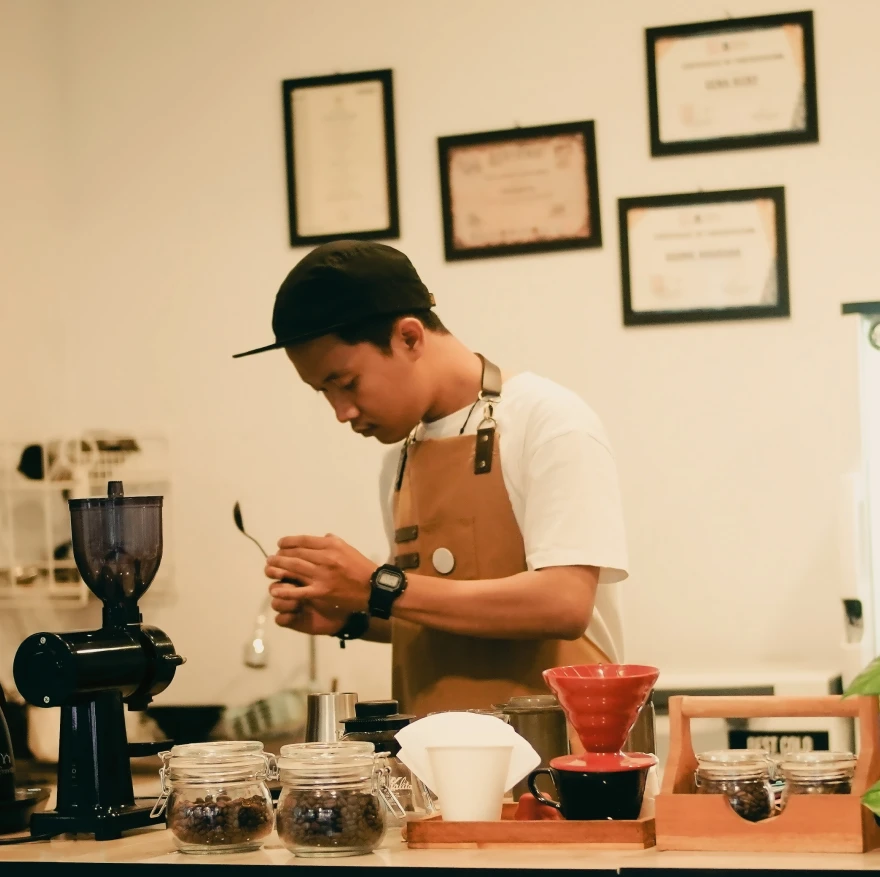
Indonesia is one of the world's largest coffee-consuming nations, a thirst that keeps spawning new coffee shops. Sharpening the competition among them.



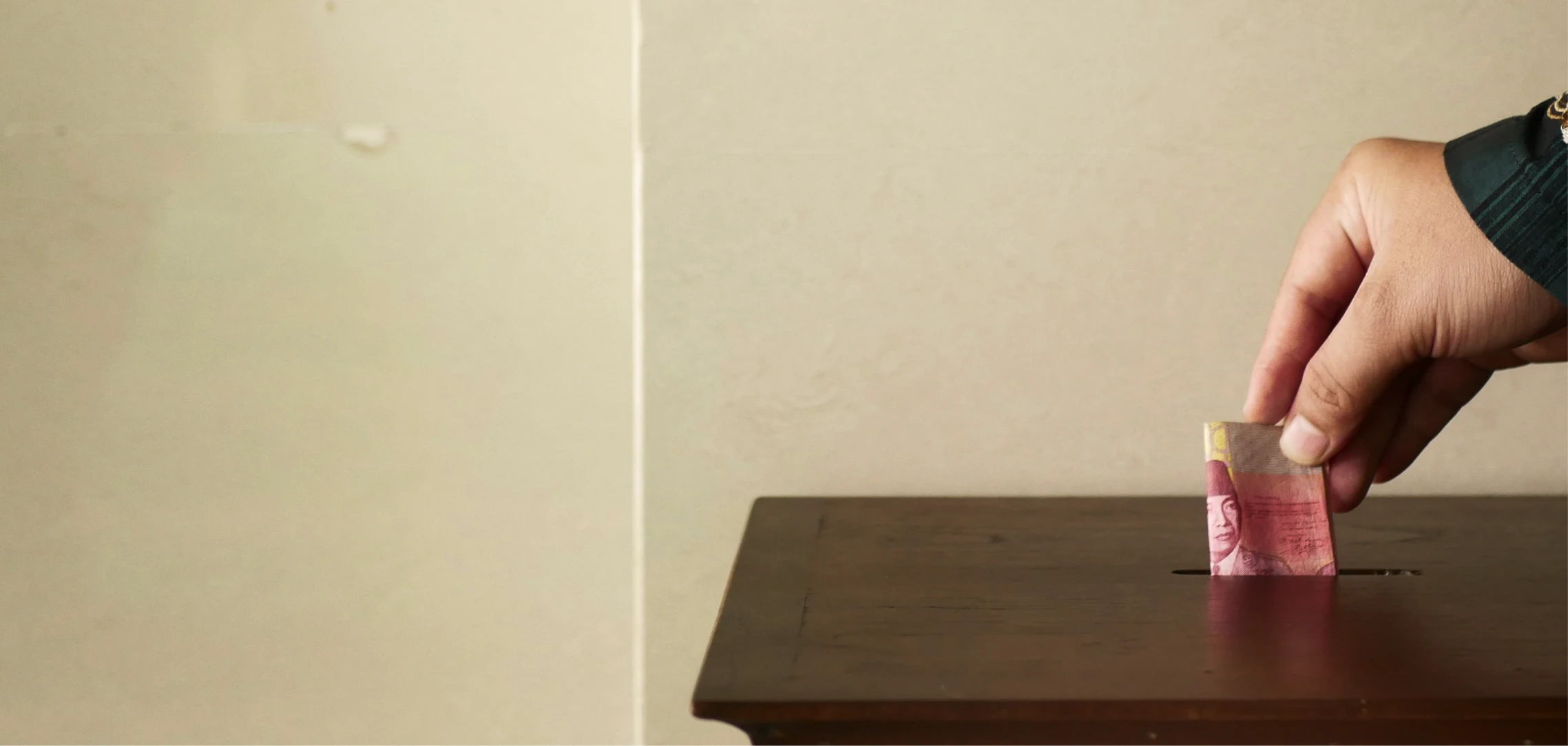
In recent times, the term sedekah subuh has become increasingly popular among the Muslim community. Campaigns promoting sedekah subuh by various zakat and philanthropic organizations frequently appear on social media.
Many people feel inspired to set aside a portion of their wealth after the dawn prayer, either by donating directly at the mosque or transferring digitally to zakat organizations listed in online campaign flyers.
Fahmi Ali Hudaefi, S.E.I., M.S.Fin., a lecturer in Islamic Economic Law at Universitas Muhammadiyah Surakarta (UMS), explained that sedekah subuh (dawn alm) does not appear explicitly in the Qur’an or Hadith. However, there are sources that emphasize the virtue of giving charity in the morning.
“Sedekah subuh or dawn alm is a form of charity or almsgiving performed at dawn. While the term itself isn’t directly mentioned in scripture, there is a Hadith about two angels descending each morning to pray for those who give,” said Ali in an online session on Wednesday (16/4/2025)
Before delving deeper into dawn alm, Ali emphasized the importance of understanding the fundamental differences between zakat, infaq, and sedekah. “In Islam, sedekah is a broad concept that refers to doing good, whether material or non-material. This includes financial donations, but also non-financial acts like smiling or helping others,” he explained.
In contrast, infaq is more specific. It refers to giving wealth or resources (aside from obligatory zakat) for good causes. It differs from zakat, which is a mandatory form of infaq governed by specific rules and requirements.
“In this context, all zakat is a form of infaq, and all infaq is part of financial sedekah,” added the lecturer from Faculty of Islamic Studies of UMS.
The term sedekah in the Qur’an sometimes refers to zakat, depending on the context, as found in Surah At-Tawbah, verse 103.
خُذْ مِنْ اَمْوَالِهِمْ صَدَقَةً تُطَهِّرُهُمْ وَتُزَكِّيْهِمْ بِهَا وَصَلِّ عَلَيْهِمْۗ اِنَّ صَلٰوتَكَ سَكَنٌ لَّهُمْۗ وَاللّٰهُ سَمِيْعٌ عَلِيْمٌ
Take from their wealth ˹O Prophet˺ charity to purify and bless them, and pray for them, surely your prayer is a source of comfort for them. And Allah is All-Hearing, All-Knowing.
“The practice of dawn alm generally refers to a hadith narrated by al-Bukhari, Number 1442,” Ali explained. Here is the hadith he referred to:
مَا مِنْ يَوْمٍ يُصْبِحُ الْعِبَادُ فِيهِ إِلاَّ مَلَكَانِ يَنْزِلاَنِ فَيَقُولُ أَحَدُهُمَا اللَّهُمَّ أَعْطِ مُنْفِقًا خَلَفًا وَيَقُولُ الآخَرُ اللَّهُمَّ أَعْطِ مُمْسِكًا تَلَفًا
There is no day in which the servants of Allah wake up in the morning, except that two angels descend. One of them prays, “O Allah, grant recompense to those who spend (in charity),” while the other prays, “O Allah, bring loss to those who withhold their wealth.”
Ali emphasized that the word used in the hadith above is munfiqan, referring to someone who spends their wealth in the way of Allah. This indicates that the context being discussed is infaq, not sedekah in the broader sense, which includes non-material forms of giving, like offering a smile or volunteering time to help others.
Dawn alm is understood as an act of infaq performed at dawn, with the hope of receiving prayers from the angels. Ali said, “Essentially, dawn alm is no different in nature from giving at other times. The only difference lies in the timing and the spiritual momentum it tries to harness.”
Some of the benefits or virtues of dawn alm include:
The way to practice dawn alm is simple, as it does not have any specific rules or conditions. Ali gave some examples of ways one might carry out this form of giving with sincere intention, such as:
So, who can receive dawn alm? Ali explained that since dawn alm is a form of voluntary giving (sunnah), there are no restrictions on who can receive it. It can be given to the poor, to family members in need, to orphans, or through a trusted zakat institution.
“Subuh is a special time. So begin your day with good deeds,one of them being dawn alm," he concluded.
Writer: Genis Dwi Gustati
Editor: Al Habiib Josy Asheva
Translator: Farizal Luqman Majid
Indonesia is one of the world's largest coffee-consuming nations, a thirst that keeps spawning new coffee shops. Sharpening the competition among them.
Nothing’s more special than reading curated news just for you.
Subscribe to the UMS Newsletter for free today.