The Scholar Behind UMS's Master's Program in IQT
27 July 2026
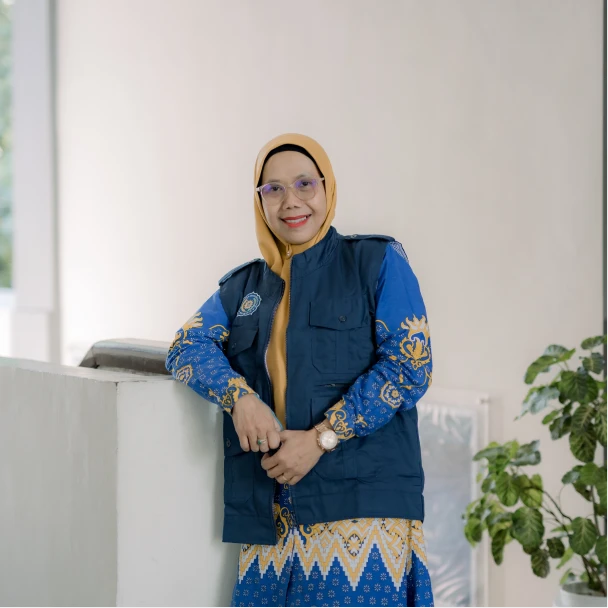
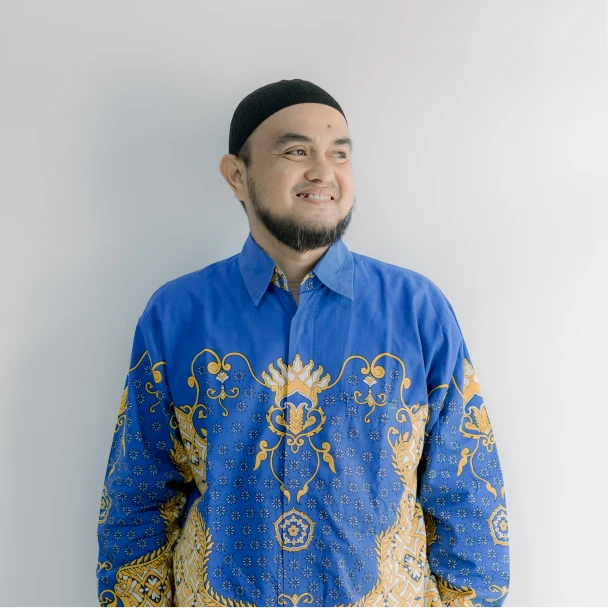
Prof. Andri Nirwana, S.TH., M.Ag., Ph.D., pioneered the Master of Al-Quran and Tafsir Studies as a first step in strengthening Quranic studies within Muhammadiyah.


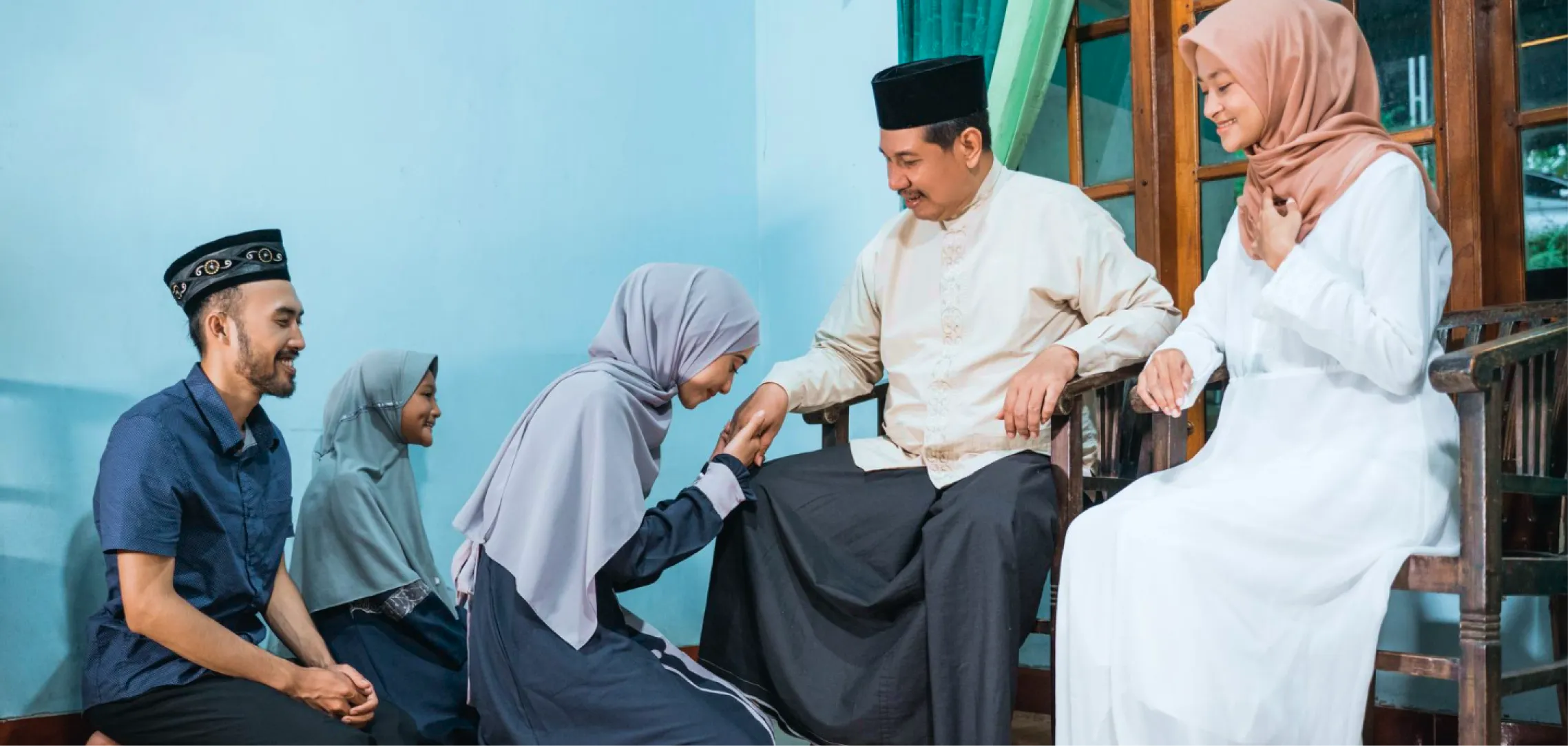
Indonesia has a wealth of traditions and cultural practices for welcoming Eid al-Fitr. One of them is sungkeman, a custom passed down through generations.
Sungkeman is a tradition in which a person kneels and kisses the hands of elders. It symbolizes respect, devotion, humility, and a sincere request for forgiveness. Originating from Javanese culture, this tradition reflects modesty and wholeheartedness.
So how does Islam view the tradition of sungkeman? Nurul Latifatul Inayati, S.Pd.I., M.Pd.I., a lecturer in Islamic Education at Universitas Muhammadiyah Surakarta (UMS), explained that sungkeman is not a ritual specifically taught in the Qur'an or Hadith.
In ushul fiqh (principles of Islamic jurisprudence), there is a legal maxim that states:
الأصل في العادات الإباحة
"The original ruling in matters of customs and traditions is permissibility (mubah)."
"This means the sungkeman tradition is permissible as long as it does not contain elements prohibited in Islam," Nurul said when contacted on Friday (27/2/2026)
Nurul mentioned that the tradition of sungkeman contains several values that are actually encouraged in Islam. There are three meanings of sungkeman that align with Islamic values:
1. Filial Piety to Parents (Birrul Walidain)
Islam strongly emphasizes respect and devotion to parents, as stated in the Qur'an, Surah Al-Isra (17:23):
۞ وَقَضٰى رَبُّكَ اَلَّا تَعْبُدُوْٓا اِلَّآ اِيَّاهُ وَبِالْوَالِدَيْنِ اِحْسٰنًاۗ اِمَّا يَبْلُغَنَّ عِنْدَكَ الْكِبَرَ اَحَدُهُمَآ اَوْ كِلٰهُمَا فَلَا تَقُلْ لَّهُمَآ اُفٍّ وَّلَا تَنْهَرْهُمَا وَقُلْ لَّهُمَا قَوْلًا كَرِيْمًا ٢٣
"Your Lord has decreed that you worship none but Him, and that you be kind to your parents. If one or both of them reach old age in your care, do not say to them even 'ah,' nor repel them, but speak to them with gracious words."
Nurul explained that this verse serves as a strong foundation for the obligation to honor and humble oneself before one's parents. Sungkeman is a form of respect and devotion expressed through gentle words of apology during the tradition.
2. Mutual Forgiveness
Sungkeman during Eid al-Fitr becomes a meaningful moment to open the door to forgiveness. Its purpose is to strengthen silaturahmi (family ties).
Allah loves those who forgive one another. In Surah An-Nur (24:22), Allah says:
وَلَا يَأْتَلِ اُولُو الْفَضْلِ مِنْكُمْ وَالسَّعَةِ اَنْ يُّؤْتُوْٓا اُولِى الْقُرْبٰى وَالْمَسٰكِيْنَ وَالْمُهٰجِرِيْنَ فِيْ سَبِيْلِ اللّٰهِۖ وَلْيَعْفُوْا وَلْيَصْفَحُوْاۗ اَلَا تُحِبُّوْنَ اَنْ يَّغْفِرَ اللّٰهُ لَكُمْۗ وَاللّٰهُ غَفُوْرٌ رَّحِيْمٌ ٢
"Let not those among you who are blessed with grace and wealth swear not to give to their relatives, the needy, and those who emigrated in the way of Allah. Let them pardon and overlook. Would you not love for Allah to forgive you? And Allah is Most Forgiving, Most Merciful."
"Sungkeman performed during Eid al-Fitr falls within the context of maintaining family ties and mutual forgiveness," Nurul explained.
3. Humility and Respect for Elders
Respecting parents and elders is a virtue taught by the Prophet Muhammad. Sungkeman demonstrates humility and a willingness to acknowledge one's mistakes, values that are clearly encouraged in Islamic teachings.
Nurul reminded Muslims to pay attention to three important aspects regarding the tradition of sungkeman: it must not be accompanied by the belief that parents possess supernatural powers, it must not resemble an act of ritual prostration (sujud ibadah), and it must not be considered a religious obligation.
In a hadith narrated by Tirmidzi, the Prophet Muhammad said:
"If I were to command anyone to prostrate to another, I would have commanded a wife to prostrate to her husband." (HR. Tirmidzi)
"This hadith shows that prostration is only permitted to Allah. Therefore, if sungkeman resembles ritual prostration, then it is not allowed," Nurul emphasized.
She acknowledged that some groups disagree with the tradition of sungkeman. According to her analysis, the objections usually stem from the desire to safeguard the purity of tauhid (monotheism), concerns that it may resemble prostration to someone other than Allah, and the reluctance to treat cultural customs as acts of worship.
So how does Muhammadiyah view this tradition? Nurul explained that Muhammadiyah categorizes sungkeman as muamalah (social interaction), not ibadah (ritual worship). Muhammadiyah distinguishes between ibadah mahdhah, specific acts of worship that require explicit textual evidence, and ghairu mahdhah (muamalah), which refers to social and worldly affairs.
Acts of ibadah mahdhah must be supported by clear scriptural evidence. Meanwhile, muamalah, according to Muhammadiyah's perspective, is permissible as long as it does not contradict Islamic law.
Sungkeman is therefore viewed as a cultural tradition rather than a ritual act of worship. Its ruling is permissible (mubah), provided it is not believed to be a mandatory religious practice, does not contain elements of shirk (associating partners with Allah), and does not resemble practices that contradict tauhid.
"If sungkeman is simply an expression of respect (takzim) and a request for forgiveness, then there is no problem," Nurul added.
Muhammadiyah also maintains that sungkeman must not contain elements of excessive veneration or personality cult. "In principle, Muhammadiyah accepts local culture as long as it does not contradict the Qur'an and the Sunnah," she concluded.
Writer: Gede Arga Adrian
Translator: Farizal Luqman Majid
Editor: Al Habiib Josy Asheva
Prof. Andri Nirwana, S.TH., M.Ag., Ph.D., pioneered the Master of Al-Quran and Tafsir Studies as a first step in strengthening Quranic studies within Muhammadiyah.
Nothing’s more special than reading curated news just for you.
Subscribe to the UMS Newsletter for free today.