Bank Indonesia Holds Interest Rate at 5.75%, What Is the Impact?
24 July 2026
Bank Indonesia has held its benchmark rate at 5.75 percent, ending speculation of a hike to 6 percent that had circulated in recent weeks.


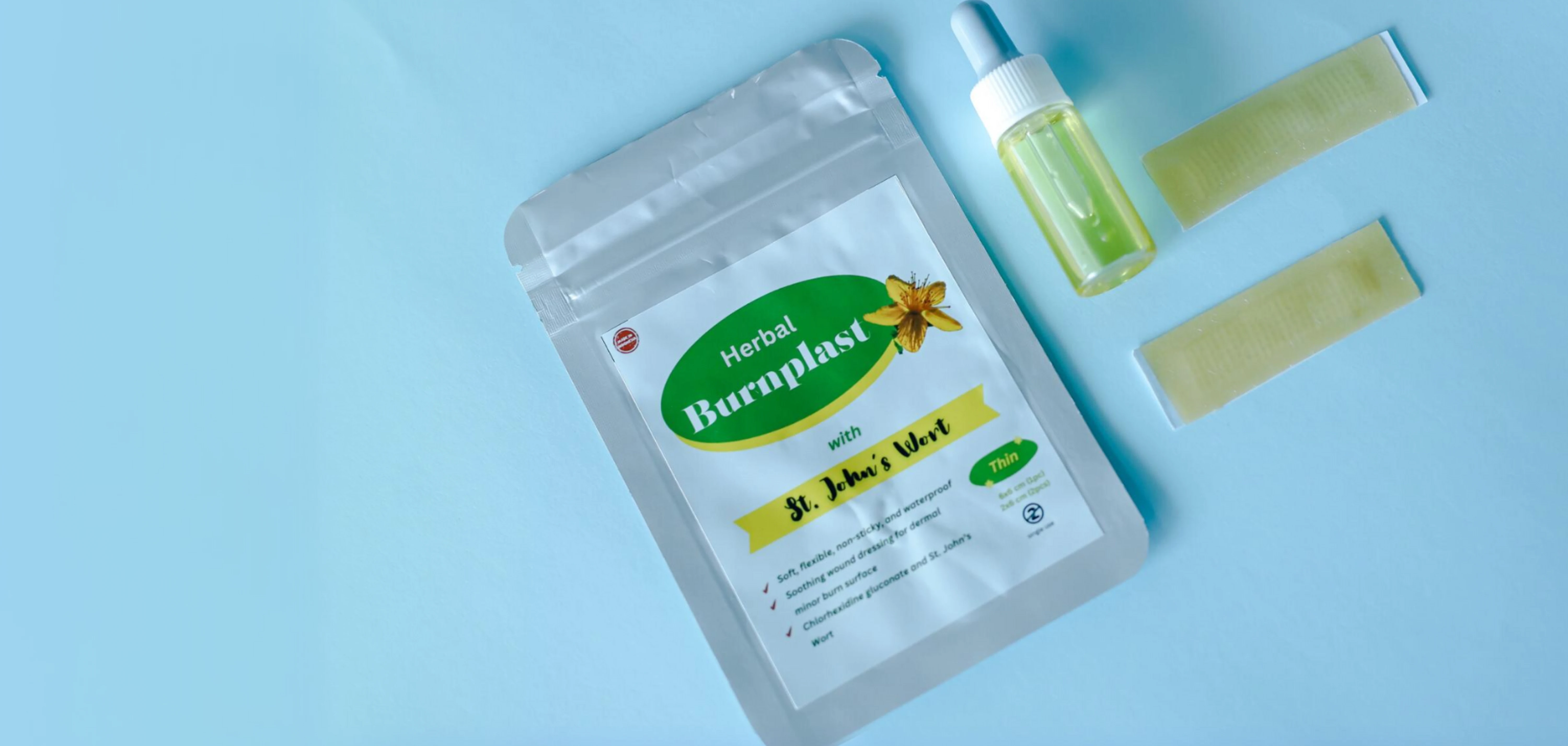
When dealing with burns, it is crucial to administer proper first aid to promote healing and prevent complications. Some standard practices like applying burn ointment, irrigating the burn with running water, and using toothpaste may seem like effective remedies, however, they can actually worsen the burn and increase the risk of infection.
Recognizing the shortcomings of conventional burn treatments, the Student Team of Faculty of Dentistry (FKG) at Universitas Muhammadiyah Surakarta (UMS) has developed a revolutionary first aid solution – a hydrocolloid plaster derived from the St. John's Wort plant. This ingenious innovation enhanced burn care and propelled the team to a gold medal at a prestigious international competition.
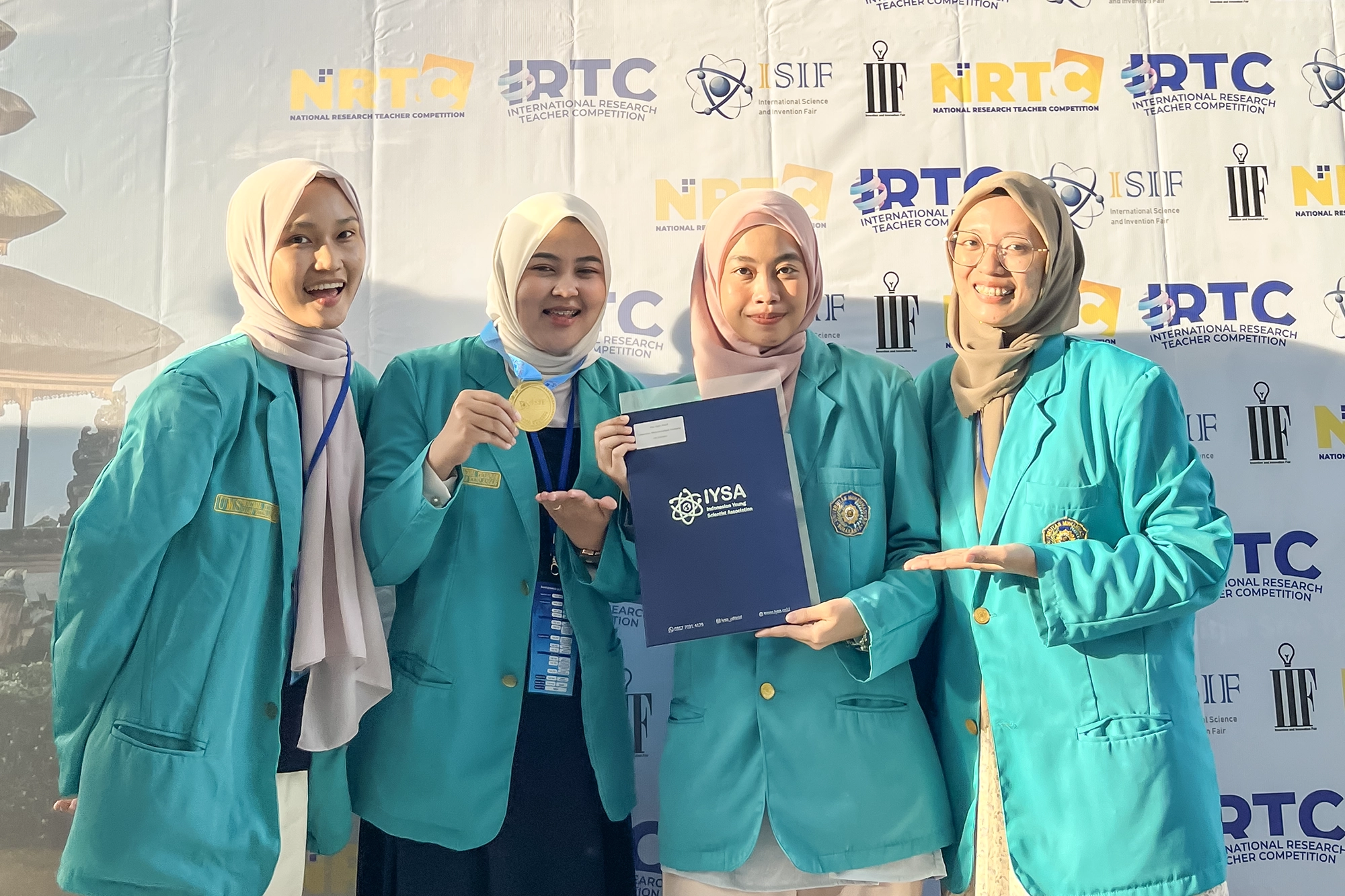
Following rigorous research efforts, the FKG UMS Student Team showcased their burn plaster innovation at the International Science and Invention Fair 2023, held at Udayana University, Bali, from November 7-11, 2023. Comprising Dhiya' Nada Putri (Dentistry 2020), Nada Utari Rusmanda (Dentistry 2021), Alya Aqila Majid, and Amara Syifa Tifani (Dentistry Professional), the team clinched the championship in the life science category, with their primary focus on burns.
Hosted by the Indonesian Young Scientist Association (IYSA), the International Science and Invention Fair (ISIF 2023) serves as a platform to cultivate the talents of budding innovators and inventors, with a total of 819 teams and representation from 32 countries, including Indonesia, Thailand, Hong Kong, Malaysia, Morocco, Turkey, and Vietnam.
The genesis of the innovative burn plaster derived from St. John's Wort plant can be traced back to Dhiya’s participation in the Student Creativity Program (PKM) in 2023. During this program, Dhiya’ initiated the use of St. John's Wort plant oil to treat oral ulcers.
“In that study, the focus was on applying St. John’s Wort plant oil to oral ulcers, with diabetic rats as the research subjects,” mentioned Dhiya’ in a Friday (1/12) interview.
Driven by the potential of St. John's Wort plant, Dhiya’ assembled a team to develop an innovative burn plaster for the International Science and Invention Fair (ISIF 2023). Drawing inspiration from existing research on the plant's properties, Dhiya’ identified a gap in the current treatment landscape – the absence of a St. John's Wort-based burn plaster. The team recognized this opportunity and embarked on their journey to create a solution.
“I came across studies on this plant's effectiveness for people who had undergone tooth extractions. In those trials, those who used St. John's Wort plant showed quicker healing of bleeding compared to those who didn't. That's why I decided to explore its potential for ulcers and later extended its use to treat burns," he explained.
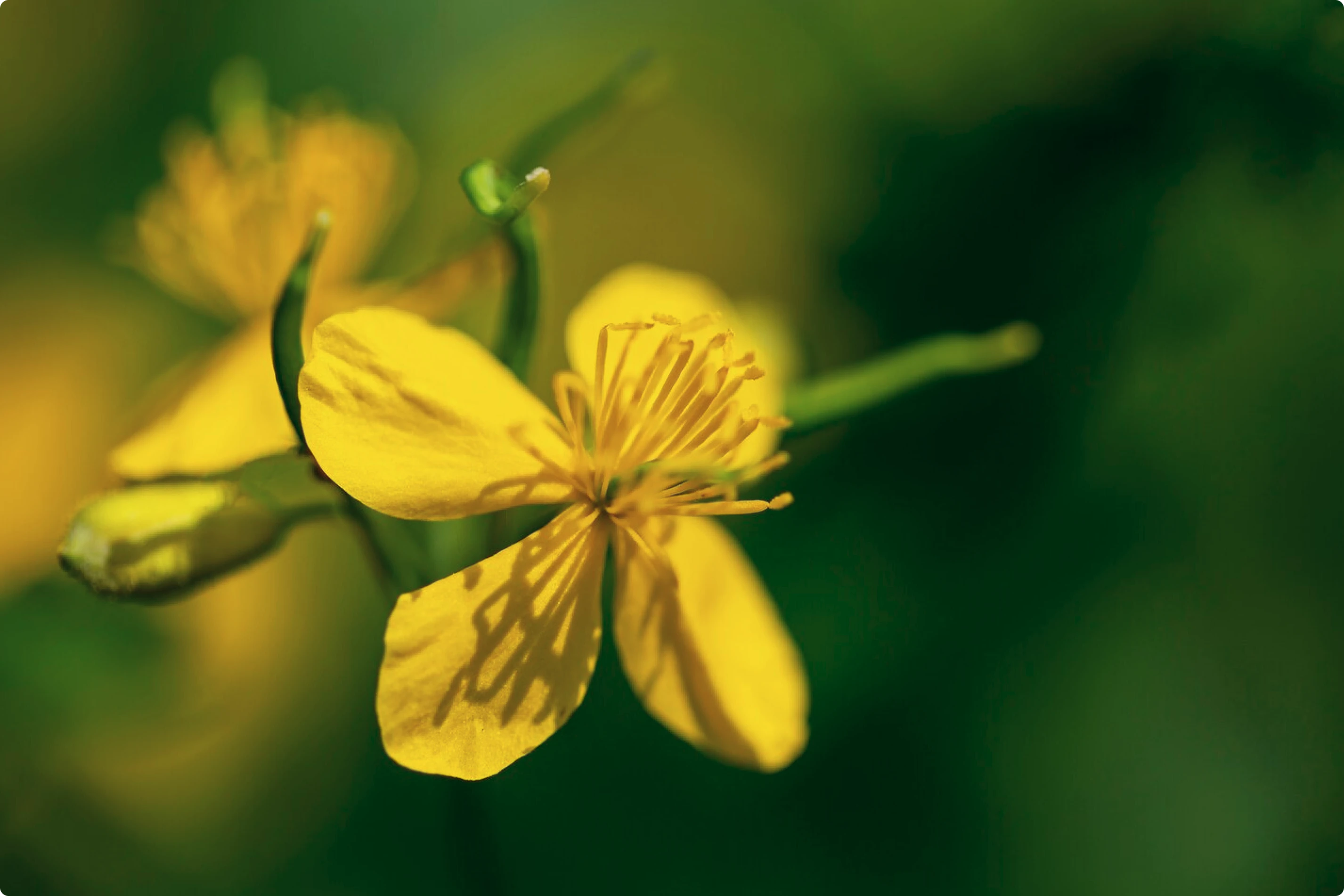
St. John's Wort (Hypericum perforatum) was carefully considered as the foundation for their innovative burn plaster. Native to Eurasia and North Africa, this plant possesses remarkable healing properties. Alya, a team member, pointed out that Turkey is one of the countries where St. John's Wort flourishes.
Alya elaborated on the selection of St. John's Wort, highlighting its wealth of compounds that promote wound healing, making it an ideal choice for burn treatment.
“St. John's Wort contains hyperforin compounds, which aid in the wound healing process by triggering cell proliferation, forming new cells. This accelerates the healing of wounds,” explained Alya.
St. John’s Wort is an unfamiliar plant in Indonesia. Dhiya' mentioned that research on this plant is still limited, and literature sources related to its research mainly come from abroad. However, despite these limitations, the Indonesian government recognizes the plant as an alternative herbal medicine.
“In Indonesia, the development of the St. John’s Wort plant is gaining momentum, as highlighted in Permenkes Number 88 of 2013. The country is actively working on new phytopharmaceuticals to decrease reliance on imported medicinal materials. Notably, the St. John’s Wort plant ranks as the 10th highest-selling global plant,” continued Dhiya’.
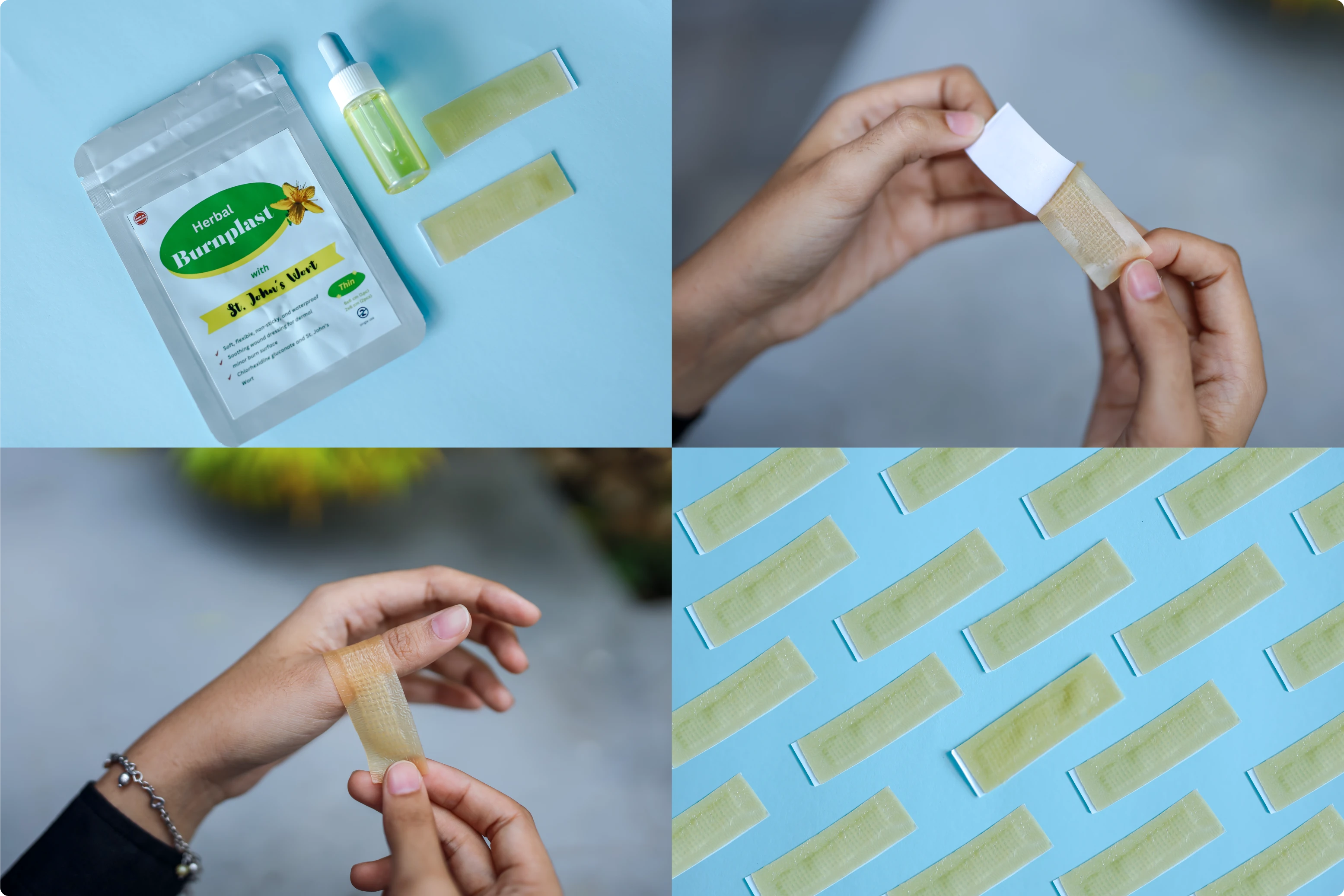
While burn ointment is a common household remedy for burns, medical experts have raised concerns about its effectiveness. Burn ointment tends to easily rub off due to clothing or washing, hindering its ability to provide sustained relief and promote healing.
“Conventional burn treatment like creams or ointments for initial burn care already exist. However, burns require a sterile environment and should avoid exposure to water and open air,” explained Alya.
Hydrocolloid plasters offer a safer and more effective burn treatment option than conventional methods. While both serve as wound care, hydrocolloid plasters provide superior functionality tailored to burns.
“Our plaster is unique from commercially available ones. We incorporate hydrocolloid into our formulation, while market-standard plasters are made from fabric,” Dhiya’ explained.
The hydrocolloid plaster for burns developed by Dhiya’ and his team offers several benefits: water resistance, improved absorption, and infection prevention.
"The ones available in the market are fabric-based. They tend to get wet when exposed to water, posing a risk of infection if the wound becomes damp. Therefore, we aim to enhance it by combining it with hydrocolloid plaster which will block the water from penetrating the wound," added Dhiya'.
The burn plaster developed by the FKG UMS Student Team contains povidone, a type of antiseptic to kill bacteria that cause infection. In addition, Dhiya’ explained that the St. John's Wort plant oil is also given a mixture of olive oil, which helps activate its substances.
“To create a solvent, we use olive oil, which is the most stable among all oils. Olive oil activates the hypericin and hypericum in the St. John's Wort plant. It's also skin-stable and non-irritating,” she continued.
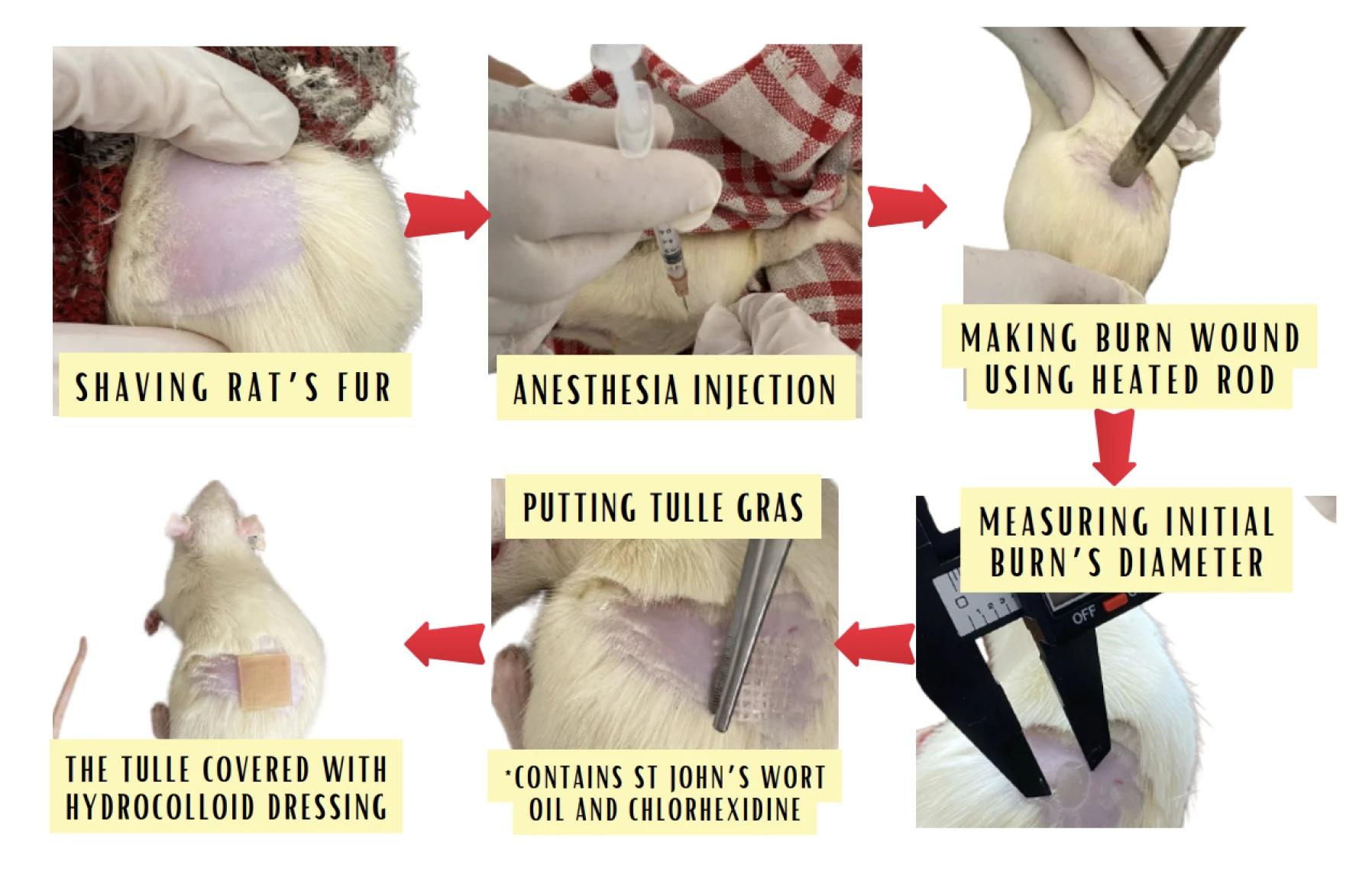
Through a lengthy research process, Alya and her team successfully demonstrated the St. John's Wort plant's potent ability to accelerate burn wound healing. Their research on Wistar strain rats provided concrete evidence of the plant's effectiveness.
“Yesterday, we conducted a trial with Wistar rats. After shaving their fur, we created wound openings by using a hot iron on each rat. Subsequently, we applied this product,” said Alya.
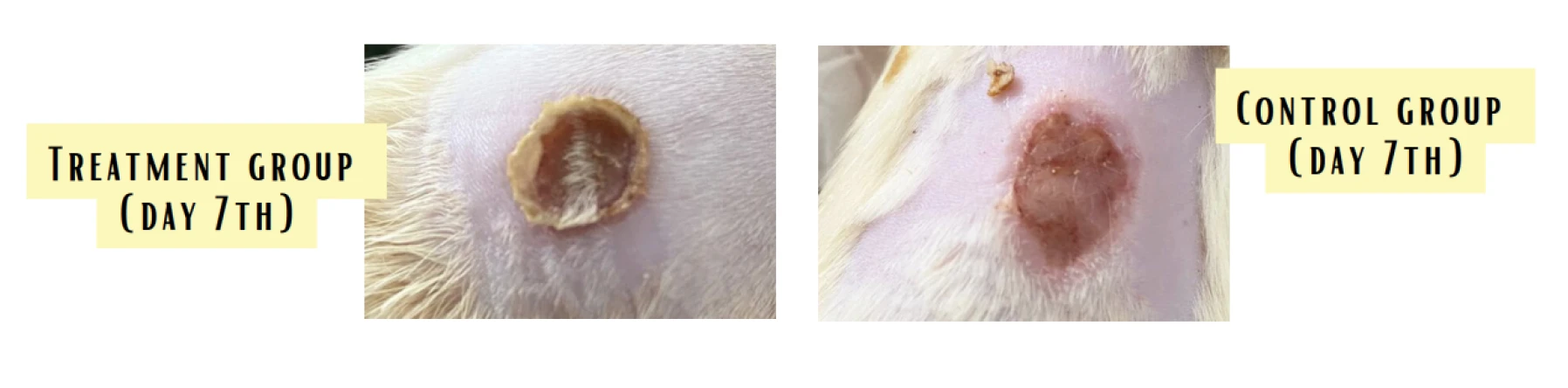
The trial data revealed promising results. By the seventh day of observation, the St. John's Wort oil-treated burns showed significant progress compared to the untreated ones. The oil demonstrated its effectiveness in accelerating wound drying.
Despite the plant's proven effectiveness, Alya clarified that its application is limited to first and second-degree burns. These burns have the inherent capacity to heal on their own,
“We focus on first-degree and second-degree burns. Because third-degree burns are already deep (wounds) and require more professional medical assistance,” Alya added.
Looking ahead, Dhiya’ and Alya acknowledged the need for further research to refine the physical properties of their hydrocolloid burn plaster. Nevertheless, Dhiya’ expressed confidence in the readiness of their invention for potential distribution.
“In fact, we can commercialize it since there is already research that we can validate. We just need to test its physical properties, such as pH or whether the plaster expands when exposed to water,” said Dhiya’ optimistically.
Alongside continuing their research, , Dhiya’ and Alya prioritize securing patent rights for their St. John's Wort-based burn plaster. Dhiya’ emphasized the uniqueness of their invention currently exclusive to the FKG UMS Student Team in Indonesia.
“Since people are not familiar with the St. John’s Wort plant, we're concerned that if we don't secure a patent immediately, the idea might be taken,” said Dhiya’.
Writer: Gede Arga Adrian
Editor: Al Habiib Josy Asheva
Translator: Farizal Luqman Majid
Bank Indonesia has held its benchmark rate at 5.75 percent, ending speculation of a hike to 6 percent that had circulated in recent weeks.
Nothing’s more special than reading curated news just for you.
Subscribe to the UMS Newsletter for free today.