The Scholar Behind UMS's Master's Program in IQT
27 July 2026
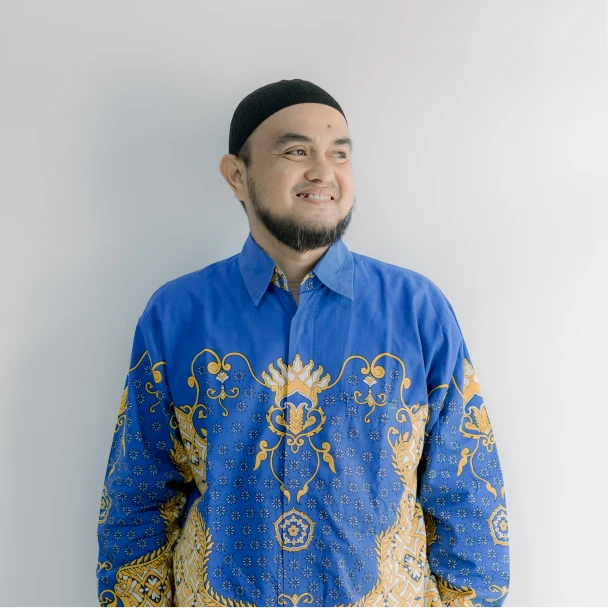
Prof. Andri Nirwana, S.TH., M.Ag., Ph.D., pioneered the Master of Al-Quran and Tafsir Studies as a first step in strengthening Quranic studies within Muhammadiyah.


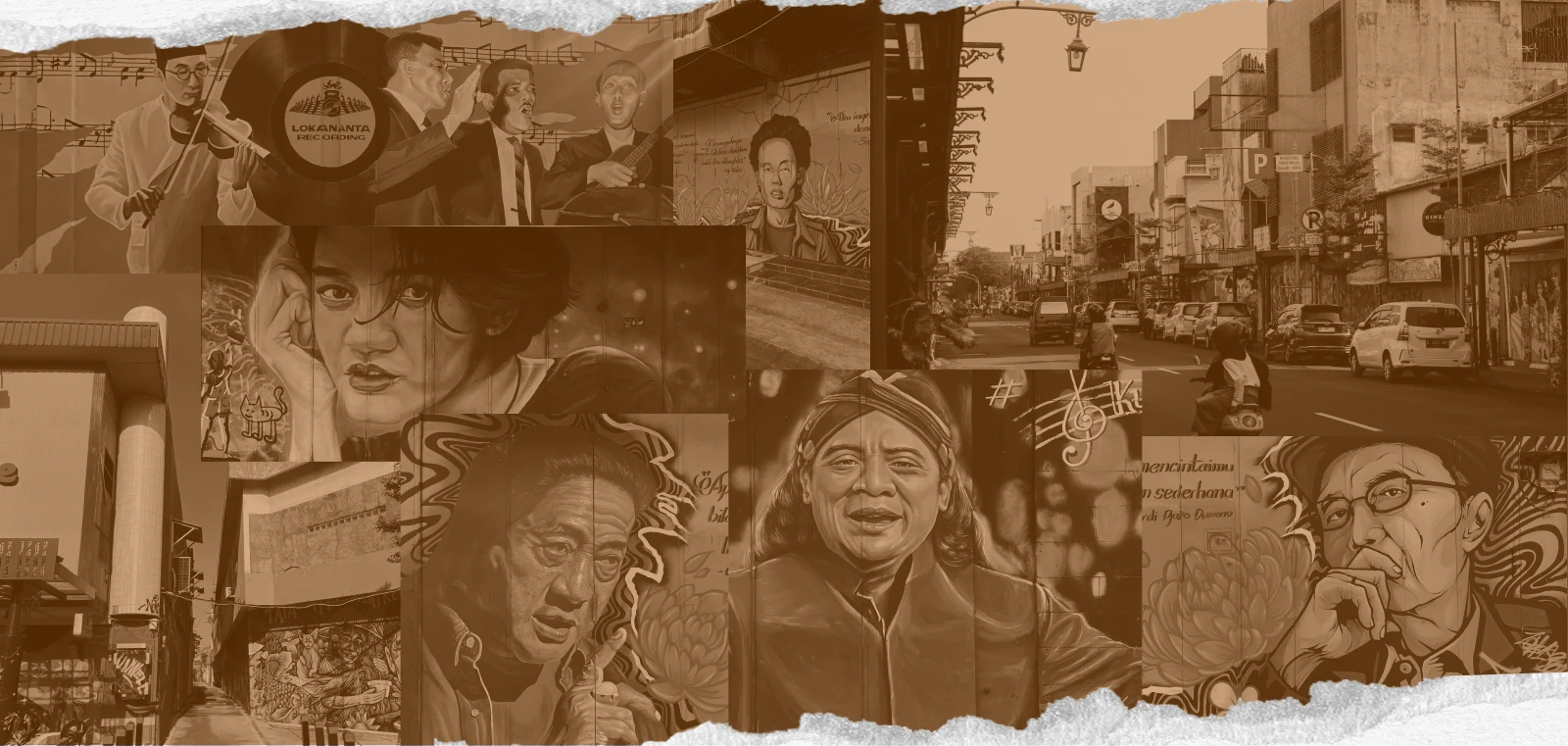
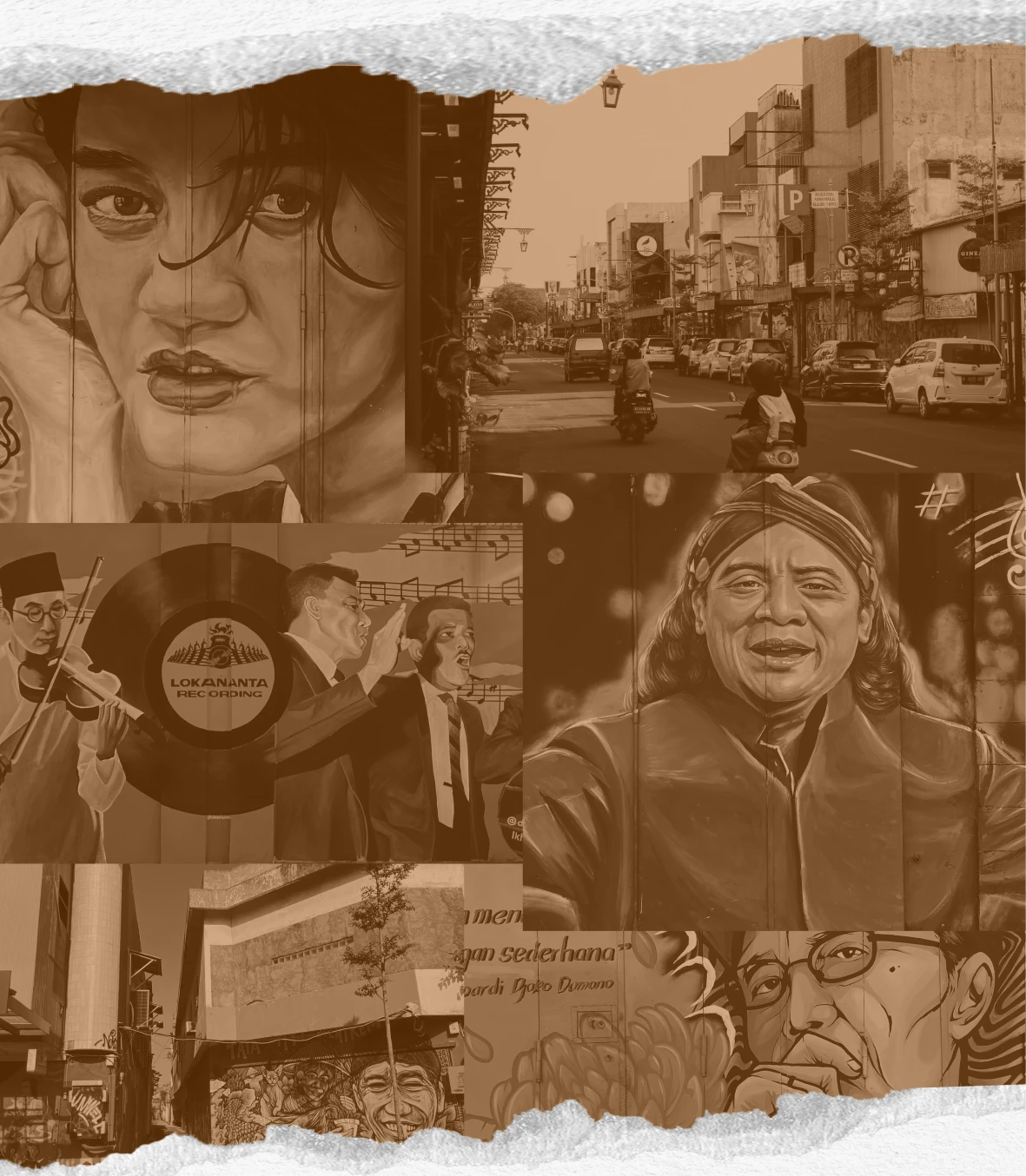
A road divides Kutha Sala, creating two distinct parts between Mangkunegaran and Kasunanan. To the south of the road lies Kemlayan Village, now a popular weekend hangout spot among young people.
Kemlayan is a well-known village in Solo with a history closely tied to the influence of the Islamic Mataram Dynasty. The village, also known as Mlaya Village, is particularly notable as the residence of palace’s gamelan musicians, who are affectionately nicknamed Mlaya.
Quoting a passage from the book Satu Kampung Tiga Maestro, Solo historian Heri Priyatmoko recounts that Pakubuwono IV (PB IV) was deeply committed to practicing gendhing to the extent that he lost track of his prayer time. To remain dedicated to his practice without neglecting his religious obligations, PB IV took the initiative to build a place of worship and a well in the Kemlayan area.
Two wells were dug in the area, but no water surfaced. These wells were subsequently named Bandung and Ngampok Well and do continue to exist today.
After the third excavation, a pristine spring emerged, its crystal-clear water continuing to quench the thirst of villagers to this day. This well was then named Kamulyan (Noble or Glory). With this success, Pakubuwono IV felt very happy and immediately announced to the residents of Mlaya Village that the village’s name should be changed to Kamulyan Village, which later became Kemlayan Village.
Every village in Solo has its own story, and Kemlayan is no exception. As a village of artists, Kemlayan is filled with rich and noble cultural values. In the past, gamelan and Javanese song melodies flowed from this village, moving the body in harmony with the rhythm.
Kemlayan Village is known as the birthplace of many famous artists. Some of them include the late Gesang Martohartono; dance maestro Sardono W. Kusuma; the master of Surakarta-style karawitan, Mlayawidada; and the maestro of Surakarta-style traditional dance, S. Ngaliman Tjondropangrawit.
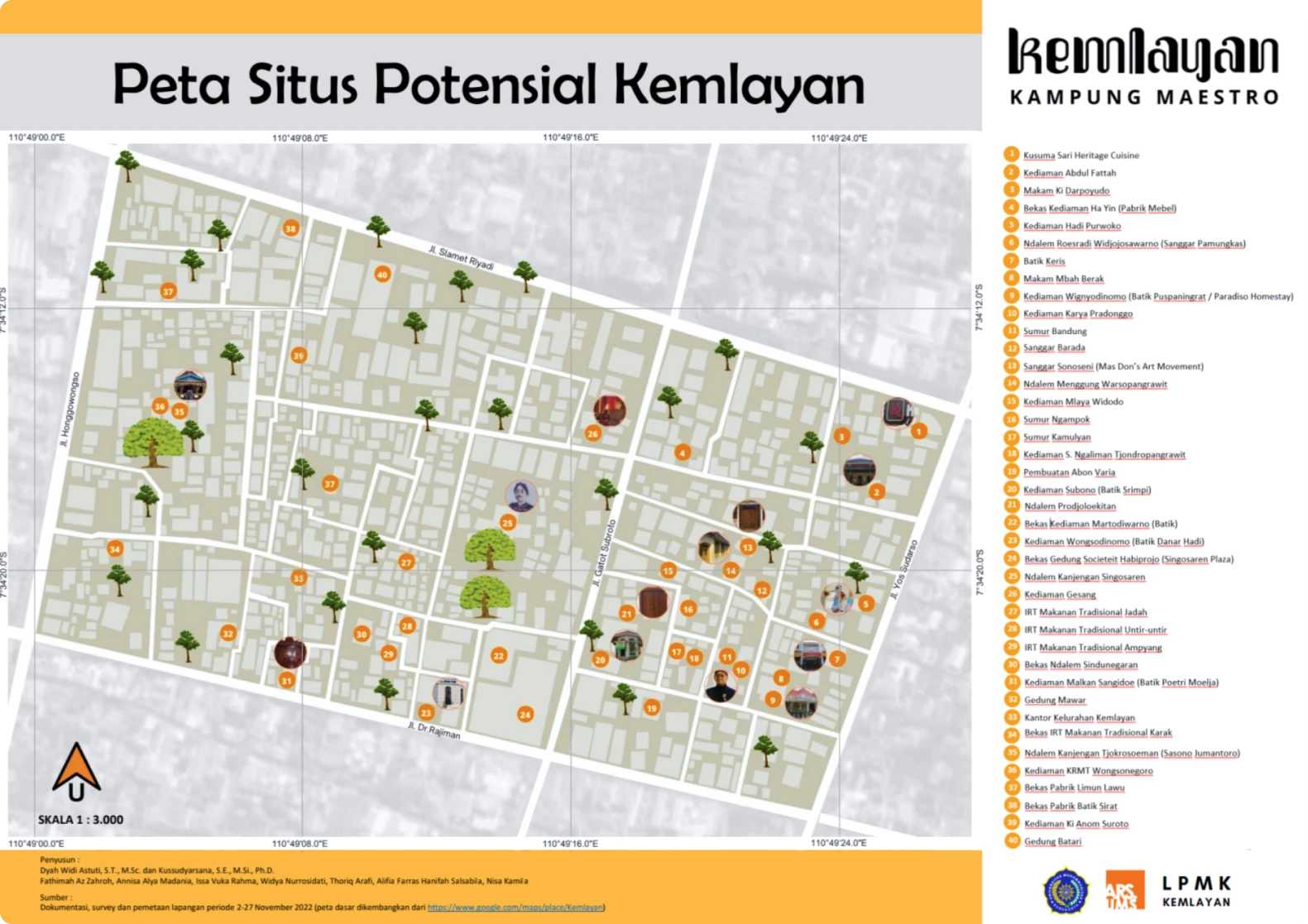
Exploring every corner of Kemlayan Village, one can't help but be amazed at the artistic spirit that has flourished to color the lives of Solo residents. Delving deeper into the alleyway of Kemlayan Village, one will find many ancient buildings that bear witness to the enduring legacy of the artists who once called this village home.
Ancient buildings that serve as silent witnesses are still easily found in this village, from nDalem (House) Singosaren, owned by Pangeran Singosari, to nDalem Roesradi Widjojosawarno, and the Mas Don Art Center, owned by Sardono W. Kusuma.
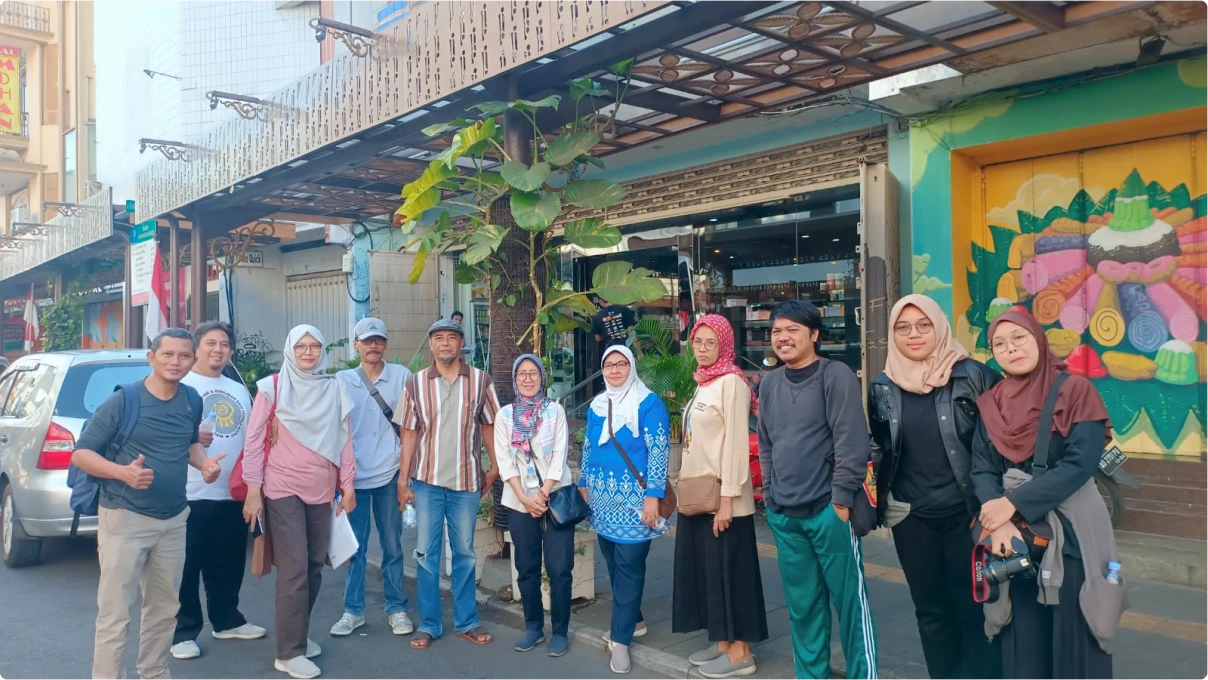
Now, the vibrancy of Kemlayan has dimmed. Marginalized from the hustle and bustle, Kemlayan has transformed into a center of trade and commerce, causing the erosion of cultural life in Kemlayan. This reality became the catalyst for Kussudyarsana, S.E., M.Si., Ph.D., Dyah Widi Astuti, S.T., M.Sc., and Muhammad Halim Maimun, S.E., M.M., to revive the arts in this village.
Through the Pengabdian Kepada Masyarakat (PKM) program titled “Pengembangan Cultural Tourism pada Kampung Wisata Aktivitas Branding dan Pemasaran Digital,” Kussudyarsana and his team are working to introduce Kemlayan in a new way to the public. This village is unique for them due to its long history that spans across time through artists’ work.
“The Kemlayan area is unique in culture, architecture, and history. In terms of history, it used to be the residence of pengrawit, people skilled in karawitan and Javanese singing,” said Kussudyarsana, also known as Uud, on Monday (29/1/2024).
Uud acknowledges that the rapid economic growth has transformed Kemlayan Village into a business and trade center. This shift has led to the gradual erosion of the village’s historical and cultural values over time.
“Now, that area (Kemlayan Village) has been transformed into a business district. Many shops are built around the village,” he added.
Moreover, through observations made by Uud and the Lembaga Pemberdayaan Masyarakat Kelurahan (LPMK), it was revealed that the younger generation in the village had little interest in arts and culture. This has further eroded essence of art in the village.
“Many young people no longer recognize Javanese culture. The term is wis ilang jawane (lack the knowledge of Javanese culture) because they don’t understand the roots of Javanese art and culture,” he added.
The observation identified three main challenges faced by Kemlayan Village to reestablish itself as an art village, namely:
“It’s rather tragic from a historical perspective that Kemlayan Village, once a renowned cultural hub, has been eroded over time due to economic activities,” expressed Uud.
Uud outlined the strategies employed in his community service, including socialization, Focus Group Discussions (FGD), mapping surveys, rebranding, social media and tour guide training, Jelajah Kampung Budaya, and digital content creation.
“What we did first was mapping. We mapped sites with high historical content, including the houses of community leaders and cultural figures. You’ll get the information by scanning the QR code,” explained Uud.
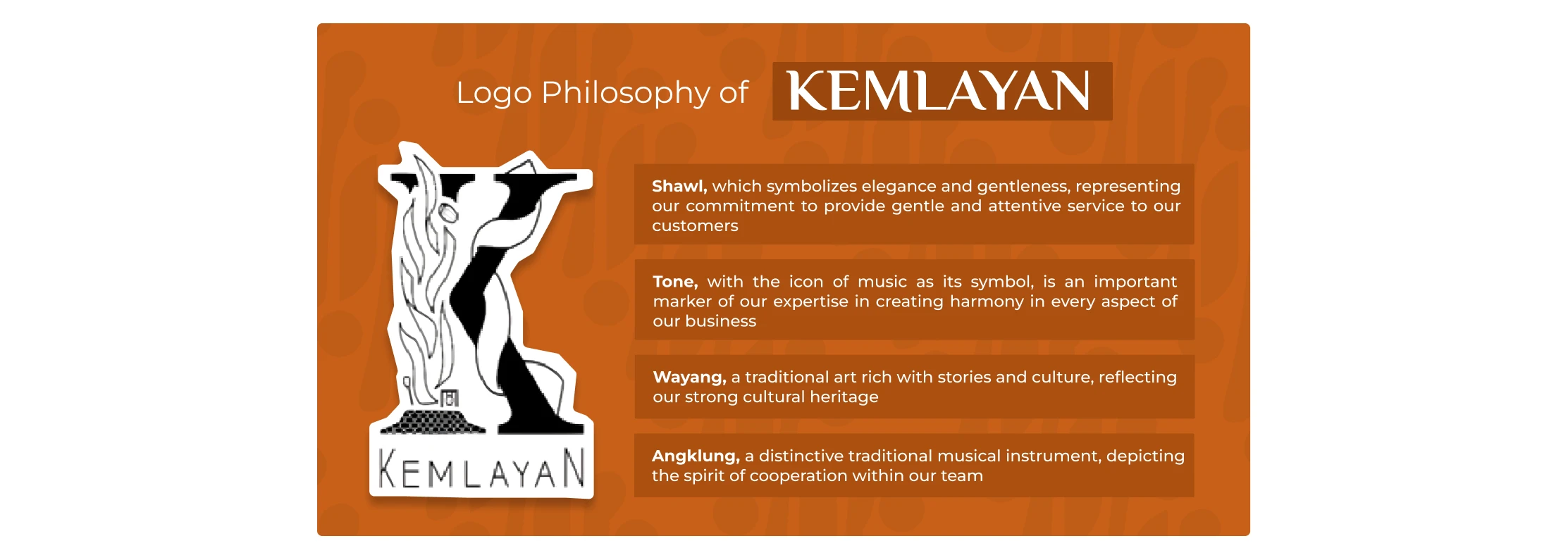
In addition to the six strategies mentioned above, Uud and his team also implemented a branding strategy to refresh the image of Kemlayan Village. As part of this step, they developed a new logo for Kemlayan Village.
Not only did Uud and his team create a new logo, but they also introduced a mascot for Kemlayan Village. The mascots include two men and a woman. The male mascot is depicted as a gamelan musician, while the female mascot is portrayed as a traditional dancer.
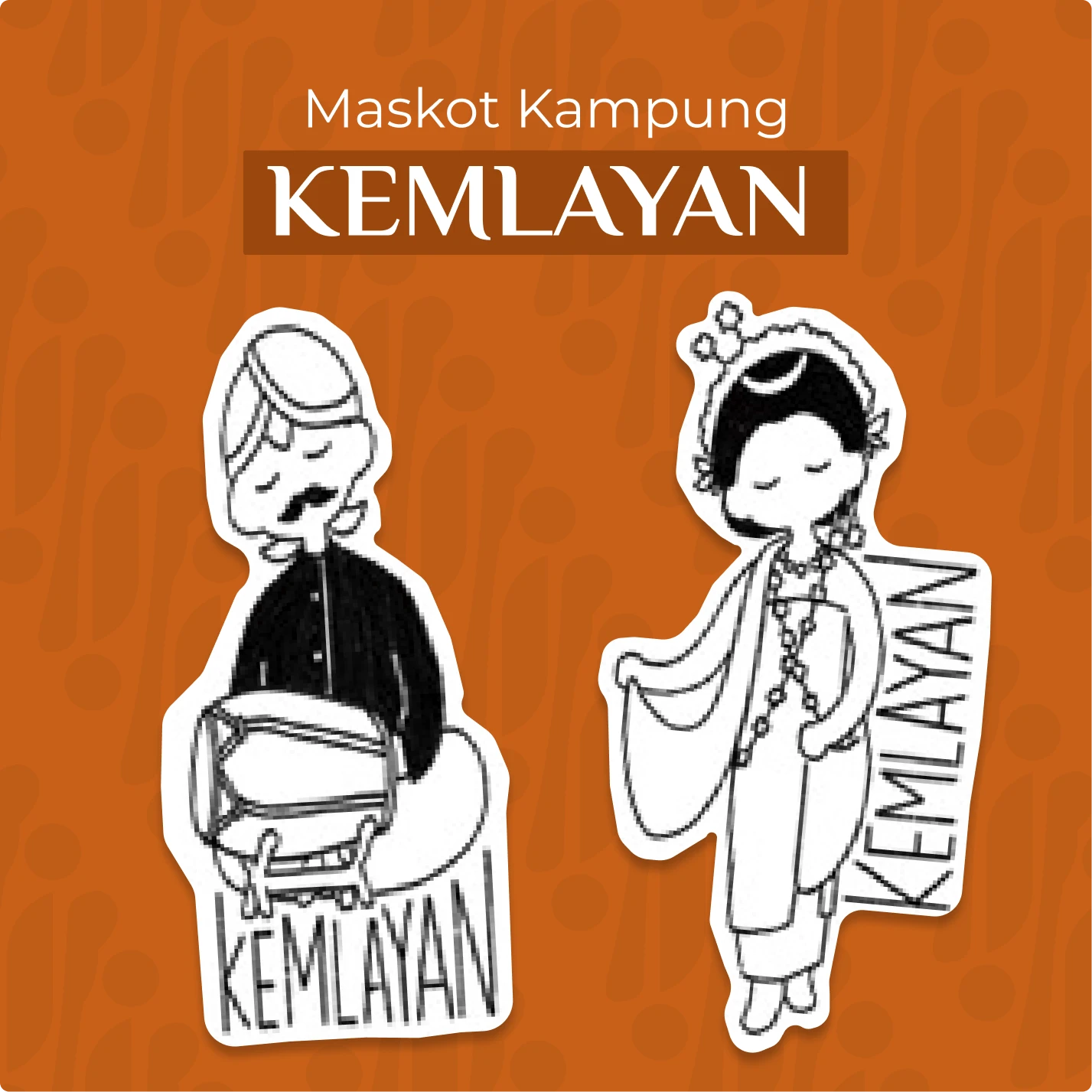
In his published article, Uud mentioned that physical markers like gates, symbols, and mascots are crucial in establishing a strong identity for Kemlayan tourism village. These markers assist visitors in easily recognizing and remembering the destination. A strong identity is essential to differentiate Kemlayan Village from other tourist destinations.
The four-month community service also explored new ways to introduce the existence of Kemlayan Village. Through Mider Kemlayan, Uud invites Solo residents to stroll through every corner of Kemlayan’s streets, rediscovering the traces of the artist’s village.
“We are trying to pioneer a cultural village. As a result of establishing the cultural village, many alternative areas can be visited. The area is unique for those who have never been to the village because the streets are narrow, and there are many ancient buildings,” said the Management program lecturer.
“Mider Kemlayan” is derived from the word Mider, which means to circle or go around. Overall, “Mider Kemlayan” means circling Kemlayan. The program encompasses four main themes: history, culture, maestro, and culinary.
“We aim to offer alternatives in Mider Kemlayan by combining cultural history with engaging experiences,” he continued.
Not stopping there, this program also leverages social media as a strategy to promote Kemlayan Village. The platforms used include Instagram @miderkemlayan and TikTok @mider.kemlayan.
From the conducted service, participants of Mider Kemlayan have expressed a satisfaction level ranging from 80-90%. However, the efforts to revive Kemlayan don’t end there. Uud has shared his aspirations for future plans.
“We want this activity to continue. Perhaps we will propose another program related to tourism stakeholders. We aim to move towards marketing tourism in collaboration with the existing stakeholders,” expressed Uud with optimism.
He envisions Kemlayan Village to become like Pare Kediri Village, which is a center for learning English. According to him, Kemlayan has the potential to transform into a Javanese cultural learning center.
“Kemlayan will become a hub for cultural tourism and a center for learning Javanese traditions. The concept is similar to Pare, where people go to learn English; similarly, people can come to Kemlayan to learn gamelan or dance. It could also be a place for them to stay,” he expressed.
Writer: Gede Arga Adrian
Editor: Al Habiib Josy Asheva
Translator: Farizal Luqman Majid
Prof. Andri Nirwana, S.TH., M.Ag., Ph.D., pioneered the Master of Al-Quran and Tafsir Studies as a first step in strengthening Quranic studies within Muhammadiyah.
Nothing’s more special than reading curated news just for you.
Subscribe to the UMS Newsletter for free today.