
How Sheep Manure Turns into Nutrient Rich Fertilizer
16 July 2026
Sheep dunged nutrient-rich organic fertilizer for plants, made with the help of maggots. Built on community empowerment and a zero-waste principle.



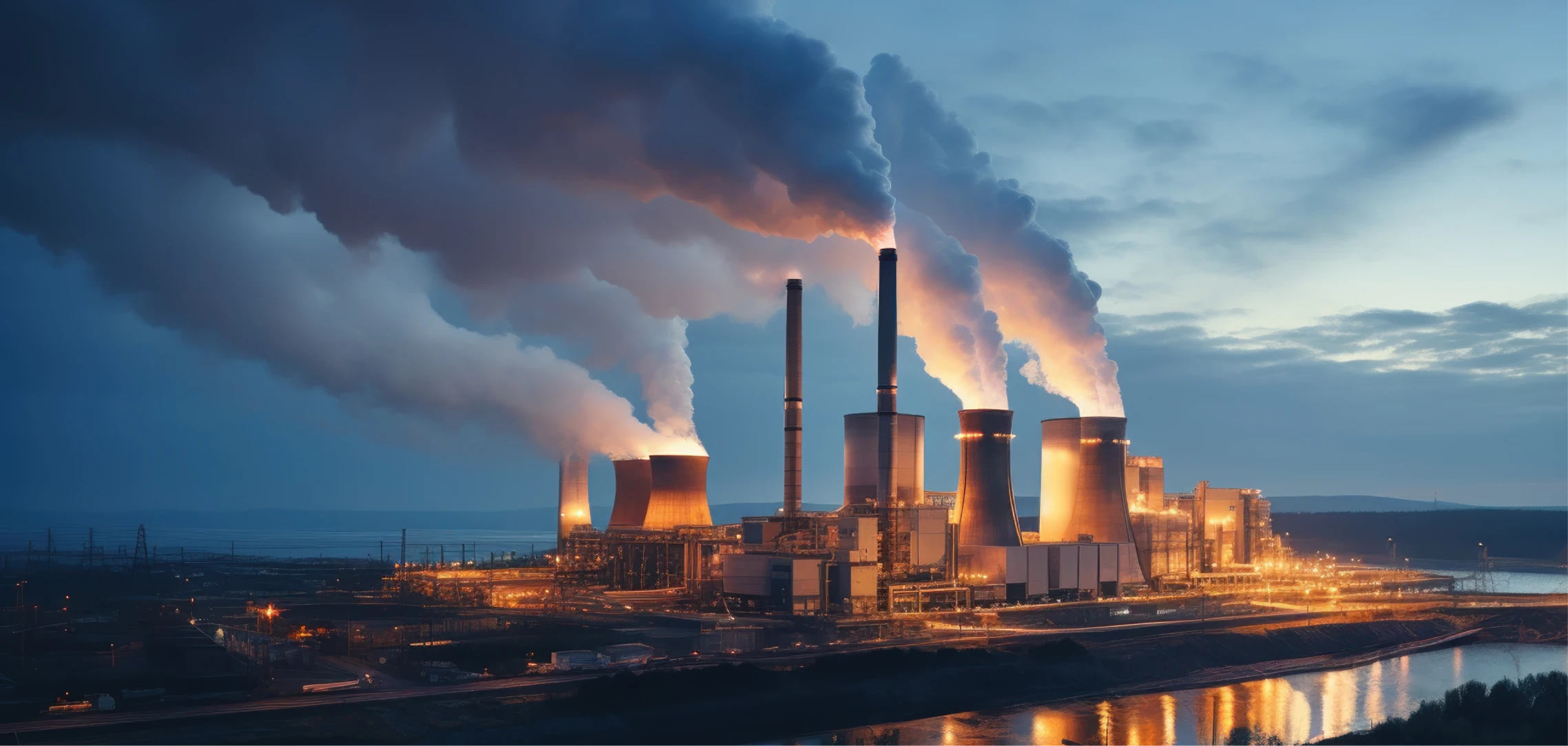
The government passed a regulation to achieve carbon neutrality by 2060 through carbon exchanges and carbon taxes. However, several challenges stand in the way of implementing this policy.
Indonesia’s dream of achieving carbon neutrality by 2060 is gaining momentum. Several policies have been passed to realize this goal, including inaugurating a carbon trading exchange with IDXCarbon as the official organizer. President Joko Widodo launched IDXCarbon at the Indonesia Stock Exchange Building in Jakarta on Tuesday (26/9/2023).
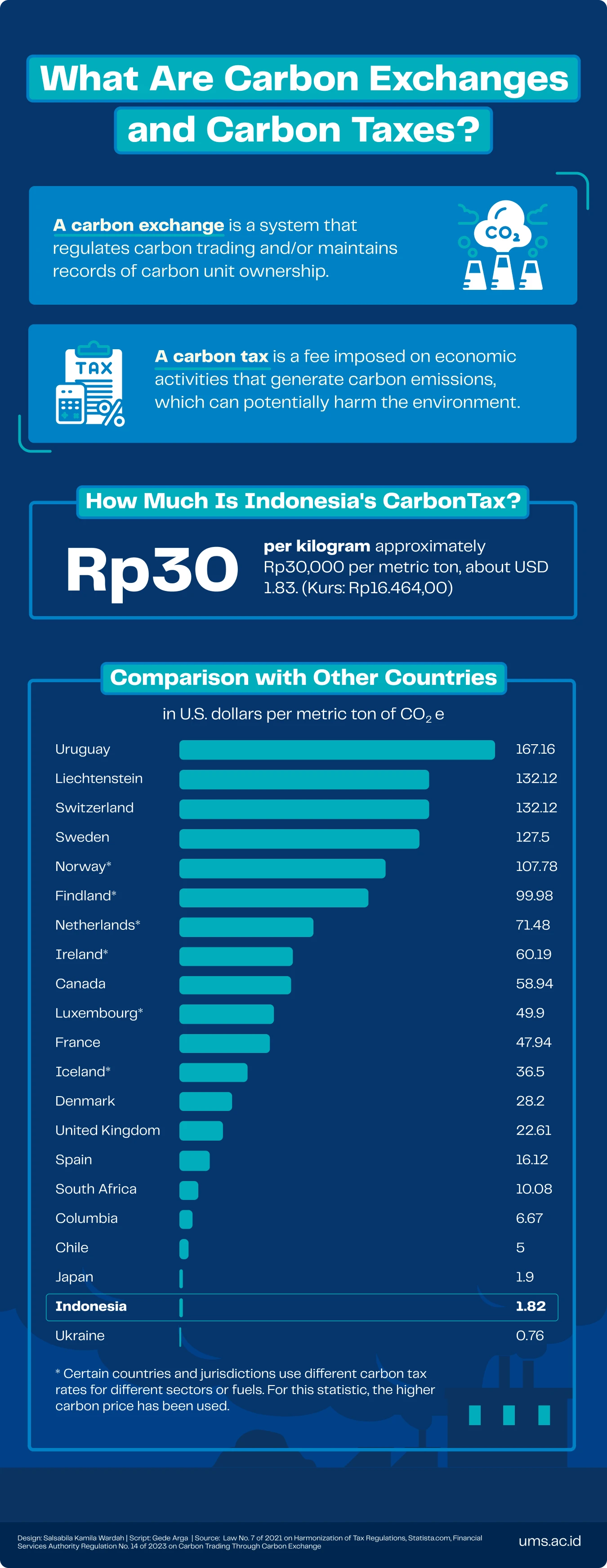
According to Financial Services Authority Regulation Number 14 of 2023 concerning Carbon Trading through Carbon Exchange, carbon trading is a market-based mechanism to reduce greenhouse gas emissions by buying and selling carbon units. Meanwhile, a carbon exchange is a system that regulates carbon trading and/or maintains records of carbon unit ownership.
Environment and ecology expert from Universitas Muhammadiyah Surakarta (UMS), Dr. Santhyami, S.Si., M.Si., said that carbon tax has been already practiced. Carbon trading has existed since the Clean Development Mechanism (CDM). This protocol allows countries to implement carbon emission reduction projects.
“CDM is regulated by the United Nations (UN),” explained the woman familiarly known as Santi. CDM refers to the Kyoto Protocol, signed on December 11, 1997. The Kyoto Protocol is an international treaty to reduce greenhouse gas emissions triggered by CO2 gas.
“CDM is criticized because the regulations are too difficult, especially for countries based on land use, land-use change, and forestry (LULUCF),” she continued. Santi said this criticism triggered the birth of the voluntary carbon market.
The Kyoto Protocol was followed by the Paris Agreement in 2015, which included updates such as limiting global warming to just below 2 degrees Celsius. “Indonesia was one of the countries that ratified the Paris Agreement, so in 2023, President Jokowi inaugurated the carbon exchange,” she added.
Santi thought that the carbon exchange regulation in Indonesia was similar to the CDM regulation. “There are three rules in the CDM: cap, trade, and tax,” Santi added. Cap is the maximum amount of emissions that can be produced by the industry. Trade involves parties that can reduce carbon and trade the resulting carbon. Meanwhile, tax refers to a carbon tax.
“In the past, there was a voluntary carbon market that was not regulated by the Indonesian government. Through this carbon exchange, the government now regulates carbon trading, so the voluntary carbon market is no longer allowed in Indonesia,” Santi said.
Santi said Indonesia’s move to ratify the Paris Agreement was further strengthened by Presidential Regulation No. 98 of 2021 on the Implementation of Carbon Economic Value for Achieving Nationally Determined Contribution Targets and Controlling Greenhouse Gas Emissions in National Development.
Before the inauguration of the carbon trading exchange, the Indonesian government had already passed a carbon tax regulation. This regulation is part of Law Number 7 of 2021 concerning the Harmonization of Tax Regulations (HPP Law), signed by President Jokowi on Friday (29/10/2021). The government plans to start enforcing this policy in 2025.
A carbon tax is a fee imposed on economic activities that generate carbon emissions, which can potentially harm the environment. For example, using fossil fuels such as petroleum and coal releases carbon dioxide (CO2) emissions into the atmosphere.
According to the HPP Law, Indonesia’s lowest carbon tax rate is Rp30 per kilogram of carbon dioxide equivalent (CO2e) or an equivalent unit. If converted to metric tons, this rate is approximately Rp30,000 per metric ton, about USD 1.82.
According to Statista, as of April 2024, Uruguay has the highest carbon tax rate in the world at USD 167.71 per metric ton. This is followed by Liechtenstein and Switzerland, both at USD 132.12 per metric ton. In contrast, Ukraine has the lowest carbon tax rate at USD 0.76 per metric ton. This data places Indonesia among the countries with the lowest carbon tax rates in the world.
Several challenges could hinder the implementation of the carbon tax. Weak law enforcement and insufficient supervision at the local level remain significant obstacles.
Santi suggested preparing a pilot project to test the implementation of a carbon tax in several regions of Indonesia. She sees this as necessary because companies that produce carbon emissions could capitalize on land owned by people.
“For example, when a company produces carbon emissions, the company leases people land in the area and asks the landowner not to clear the land for 20 years.” explained the UMS Biology Education lecturer. “During that time, the community cannot access their land because it has been rented by the company.”
Santi suspected companies might use people's land to manipulate their carbon emission responsibilities. Additionally, she noted that this mechanism might not consider inflation and land prices, creating a risk of a new form of colonization.
Prof. Dr. Anton Agus Setyawan, an economics and business expert from UMS, believed Indonesia is not ready to implement a carbon tax. He thought this tax, intended to pressure businesses to switch to renewable energy, is carrying significant risks. Rather than encouraging a transition from fossil fuels to renewable energy, Anton warns that the carbon tax could become a tool for extortion.
According to Anton, extortion can occur when businesses manipulate carbon emission data generated during production by bribing unscrupulous tax officials.
“Our bureaucracy has weak law enforcement. I believe the carbon tax policy needs to be communicated with the business owner first,” said the Dean of the UMS Faculty of Economics and Business on Wednesday (12/6/2024).
In addition to law enforcement issues, Anton thought of the carbon tax policy as a double-edged sword. He stated this policy will impact Indonesia’s industrial ecosystem, particularly the relationship between the government and businesses.
The carbon tax policy will force businesses to replace their production processes with renewable fuels. With the ratification of this policy, companies will need to innovate to significantly reduce carbon emissions.
According to Anton, businesses have two options for reducing carbon emissions. First, they can lower emissions by reducing production. Second, they can transition to renewable energy as the primary energy source for their production processes.
“The purpose of the carbon tax is to encourage the industry to think about how to reduce carbon emissions,” he explained. “This can be achieved either by reducing production or by developing production processes that minimize carbon emissions.”
Anton believed cutting production will reduce the workforce, resulting in many layoffs. This is particularly concerning given the large number of productive ages in Indonesia.
He based his argument on data from Statistics Indonesia in 2023, which showed that 192.7 million Indonesians were in the productive age (15-64 years). The figure is estimated around 69% of the total population. This situation makes cutting production to reduce carbon emissions an unsuitable option.
“The government also needs to maintain companies' productivity as they will pay taxes (non-carbon tax) and absorb labor," he continued.
Carbon tax is increasingly challenging for entrepreneurs because Indonesia’s energy transition technology is still relatively expensive. Anton agreed that the energy transition requires a long process. He emphasized that the government should immediately prepare the supporting components of the energy transition by building non-fossil power plants.
"The money from the carbon tax is used to build renewable energy generation facilities," said Anton.
Anton added that the carbon tax does not function as a source of state revenue but as an “enforcement” instrument to encourage entrepreneurs to switch to renewable energy. If the carbon tax is perceived as a revenue rather than an enforcement tool to promote renewable energy, entrepreneurs may underestimate its importance.
“If the focus is on increasing state revenue, it will lead to problems later, entrepreneurs might think, ‘It's fine for me to operate as long as I pay taxes. Who cares about pollution?’ In the end, it’s the people who suffer, not the entrepreneurs. Even if all mining companies are willing to pay taxes, have they considered the environmental damage they cause?” Said Anton.
Although the carbon tax faces several obstacles, Anton suggested that the government should implement additional measures. One policy the government could adopt is providing incentives for businesses that successfully reduce their carbon emissions.
Incentivization doesn’t always have to involve direct cash payments from the government to businesses. For example, the government could deregulate export policies, ease bureaucratic processes, offer tax cuts, reduce export fees, and provide research assistance.
“For example, if carbon emissions can be reduced, a percentage of export costs could be subsidized. Or, if the carbon emissions are low, entrepreneurs could receive exemptions or discounts on toll road fees for their trucks,” he explained.
The government does not need to spend cash on entrepreneurs through these incentives. This method is a win-win solution in addition to implementing the carbon tax. “Providing incentives can also reduce the opportunity for embezzlement by certain parties,” he said.
Writer: Gede Arga Adrian
Editor: Al Habiib Josy Asheva
Designer: Salsabila Kamila Wardah
Translator: Farizal Luqman Majid
Sheep dunged nutrient-rich organic fertilizer for plants, made with the help of maggots. Built on community empowerment and a zero-waste principle.
Nothing’s more special than reading curated news just for you.
Subscribe to the UMS Newsletter for free today.