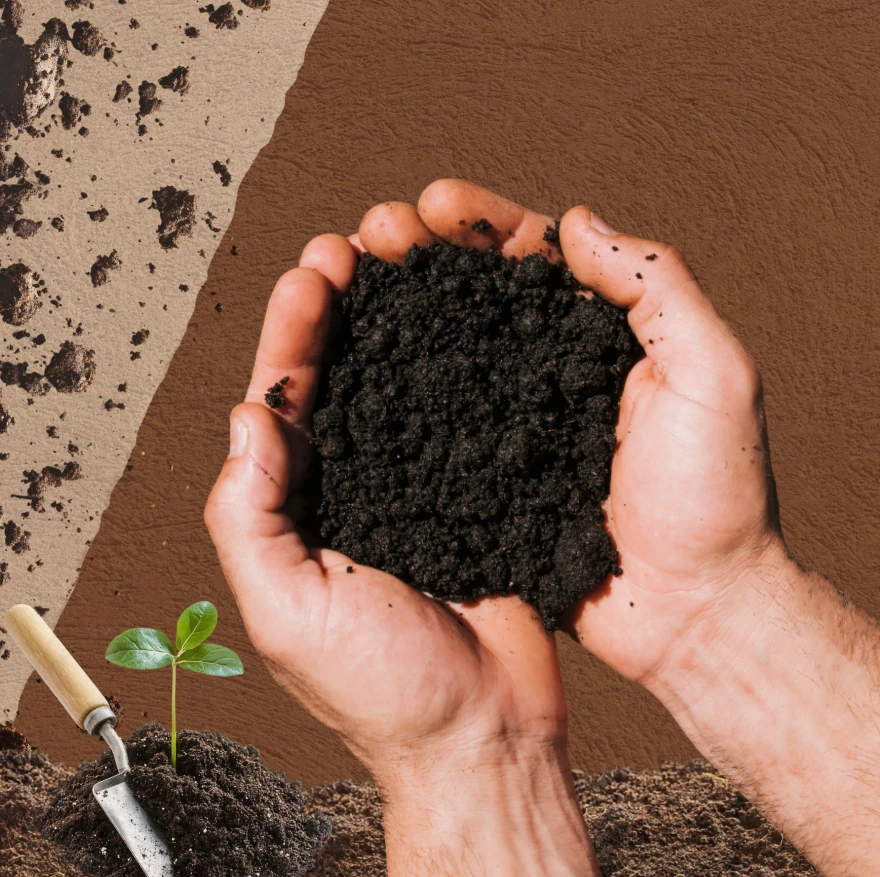
How Sheep Manure Turns into Nutrient Rich Fertilizer
16 July 2026
Sheep dunged nutrient-rich organic fertilizer for plants, made with the help of maggots. Built on community empowerment and a zero-waste principle.



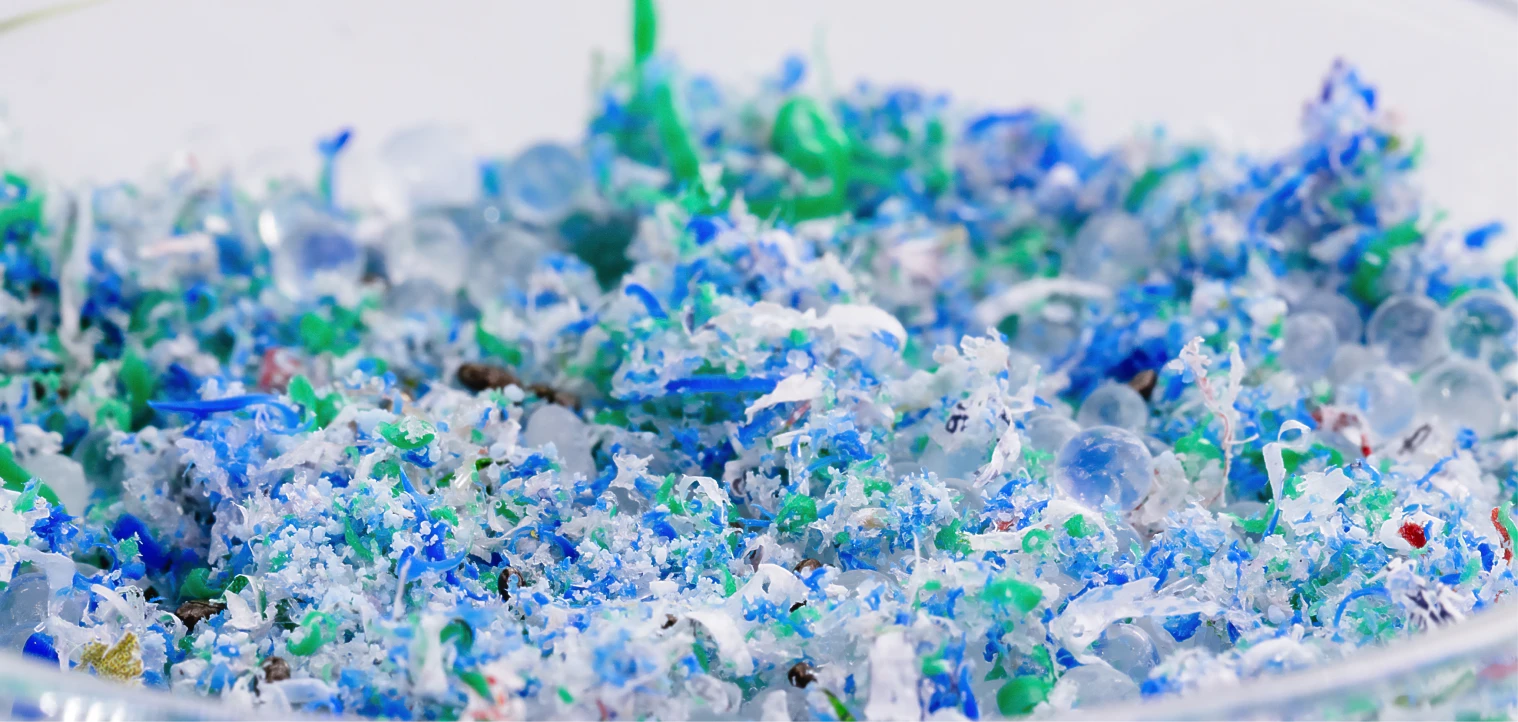
Microplastics have become one of the most widely discussed topics in recent years. Discussion and research on microplastics have been heard both in Indonesia and abroad. Most recently, microplastics were found in rainwater at a number of locations across Indonesia.
Microplastic rain emerged as a prominent issue in a study by the National Research and Innovation Agency (BRIN) released on October 17 last year. The research, which has been ongoing since 2022, found an average of 15 microplastic particles per square meter in rainwater in Jakarta.
Microplastic rain is not limited to Jakarta. Ecoton released findings in November 2025 of microplastics in rainwater in Malang, East Java. Samples were taken from several areas including Singosari, Sudimoro, Gadang, Merjosari, and Blimbing.
The highest microplastic concentration was found in Blimbing, reaching 98 particles per liter. The most dominant type was fiber, accounting for 80 percent of total particles, followed by filaments and fragments.
Microplastics are very small plastic particles measuring between 1 micrometer and 5 millimeters. They are divided into two types: primary and secondary microplastics.
Ecology lecturer at Universitas Muhammadiyah Surakarta (UMS), Vina Listiawati, S.Si., M.Sc., Ph.D., explained that primary microplastics are plastic particles intentionally produced in small sizes. Examples include microbeads used in beauty products such as face scrubs and toothpaste.
"Or also plastic pellets, which are typically used as raw materials in the manufacture of plastic products," she said.
Secondary microplastics, on the other hand, are plastic particles formed from the breakdown of larger plastic items, such as plastic bottles or plastic bags that fragment into smaller pieces through exposure to ultraviolet radiation, weathering, waves, and physical abrasion.
Microplastics are now spread out across the earth, from water bodies, land, and the air to the bodies of living organisms. According to Vina, it is estimated that more than 170 trillion plastic particles are floating on the surface of the world's oceans. Microplastics have even been found in the Mariana Trench at a depth of more than 10 kilometers.
"Major rivers around the world, including several large rivers in Indonesia such as the Brantas, Citarum, and Bengawan Solo, have been identified as pathways for microplastics to reach the ocean," she explained.
On land, microplastics can be found in agricultural land, forests, and remote mountainous areas. Microplastics have also been found in organic fertilizers derived from sewage sludge used in farming. The concentration of plastics in these fertilizers is believed to originate from wastewater treatment systems that are not yet fully capable of separating microplastics from fertilizer materials.
Microplastics have also been detected in the air, as indicated by a number of recent studies on rain and snow samples containing microplastic particles. Similar findings have been recorded in the Arctic Ocean and the Antarctic continent.
The massive spread of microplastics has also reached the bodies of living organisms, with contamination found in fish through to marine mammals.
Microplastics have also been found in humans. Citing The Guardian, microplastics were detected in breast milk among a number of mothers in Italy. Of 34 healthy mothers, 75 percent contained microplastics. Previously, an Italian research team also found the first microplastics in a baby's placenta in 2020.
"In humans, microplastics have also been found in blood, lungs, the placenta of pregnant women, breast milk, feces, and even human arterial tissue," Vina added.
Citing Mongabay, an estimated 14 percent of all plastic ever produced has been burned. This burning is believed to be a cause of small particle contamination in the air and environment. In the same article, Mongabay firmly stated that plastic has become a global waste problem.
So what are the impacts of microplastics on the environment and on humans? Vina outlined that microplastics have the potential to cause serious harm to the environment. They can disrupt nutrient absorption in marine organisms, accumulate pollutants that are then absorbed by marine life, and serve as a habitat for microbial communities and pathogens.
In soil, microplastics disrupt the nutrient cycling carried out by earthworms. They can also be absorbed into agricultural crops and potentially consumed by humans.
The spread of microplastics can also occur through the air, which explains why a number of studies have found microplastics reaching the Arctic Ocean and the Antarctic continent, regions that are notably rarely inhabited by humans.
The dangers of microplastics extend beyond ecosystems and the environment. Microplastics also have the potential to disrupt human health.
Although microplastics are often considered inert, meaning they do not easily react chemically, Vina stressed that microplastics are not biologically inert. This is because microplastics contain additional chemical substances that are toxic, carcinogenic, and disruptive to the body's endocrine system.
"Microplastics can also trigger immune responses and provoke inflammatory reactions because they are foreign bodies not recognized by the human body," she said firmly.
Some examples of the dangers of microplastics to humans include the following.
1. Inflammation
Microplastics act as foreign particles that trigger chronic immune responses in intestinal and lung tissue.
2. Endocrine system disruption
Chemical substances such as BPA and phthalates found in plastics can mimic the hormone estrogen, disrupting hormonal balance and potentially affecting fertility, fetal development, and metabolism.
3. Cardiovascular riske
Microplastics have been found in carotid artery plaque. Patients whose plaque contains microplastics are 4.5 times more likely to experience cardiovascular disorders compared to patients with plaque that contains no microplastics.
4. Impact on fetuses and children
Exposure to plastic chemicals during pregnancy and the early stages of a child's growth has the potential to disrupt neurological and hormonal development.
Addressing microplastics is not without its challenges. Several factors make microplastics difficult to control, including their extremely small size, their diverse and widely distributed sources, the cheap and convenient nature of plastic, long-term accumulation, unequal global technological capacity, and the lack of binding international regulations.
"The combination of these factors is what makes microplastics not merely an ordinary waste problem, but a systemic crisis that requires a simultaneous response at the level of policy, technology, economy, and culture," Vina stressed. She described the microplastic pollution situation, particularly in Indonesia, as already deeply concerning.
Indonesia consistently ranks among the world's largest contributors of marine plastic waste, even placing in the top five in Southeast Asia. This can be seen in the plastic contamination across the environment, such as the Citarum River in West Java, which was once named the most polluted river in the world by Green Cross Switzerland and the Blacksmith Institute.
Vina explained that a number of studies on Indonesian fishery products have found microplastic content in seafood including fish, shellfish, and sea salt, indicating long-standing contamination of the food chain.
The government has actually put in place strict regulations on this issue through Government Regulation Number 22 of 2021 on the Implementation of Environmental Protection and Management. Several regions, such as Semarang, have banned the use of single-use plastic bags.
Civil society movements focused on waste awareness have also been spreading across regions, emerging through waste sorting initiatives, waste banks, and community-based recycling innovations.
This is further supported by growing microplastic research awareness at a number of universities across Indonesia. "This is a positive sign that needs to be backed by more adequate research funding," she said.
That said, the combination of high plastic consumption has not yet been matched by evenly distributed waste management infrastructure. As a result, plastic waste management frequently remains suboptimal in a number of regions. Serious commitment is needed to ensure that plastic pollution can be handled optimally.
Writer: Gede Arga Adrian
Translator: Farizal Luqman Majid
Editor: Al Habiib Josy Asheva
Sheep dunged nutrient-rich organic fertilizer for plants, made with the help of maggots. Built on community empowerment and a zero-waste principle.
Nothing’s more special than reading curated news just for you.
Subscribe to the UMS Newsletter for free today.