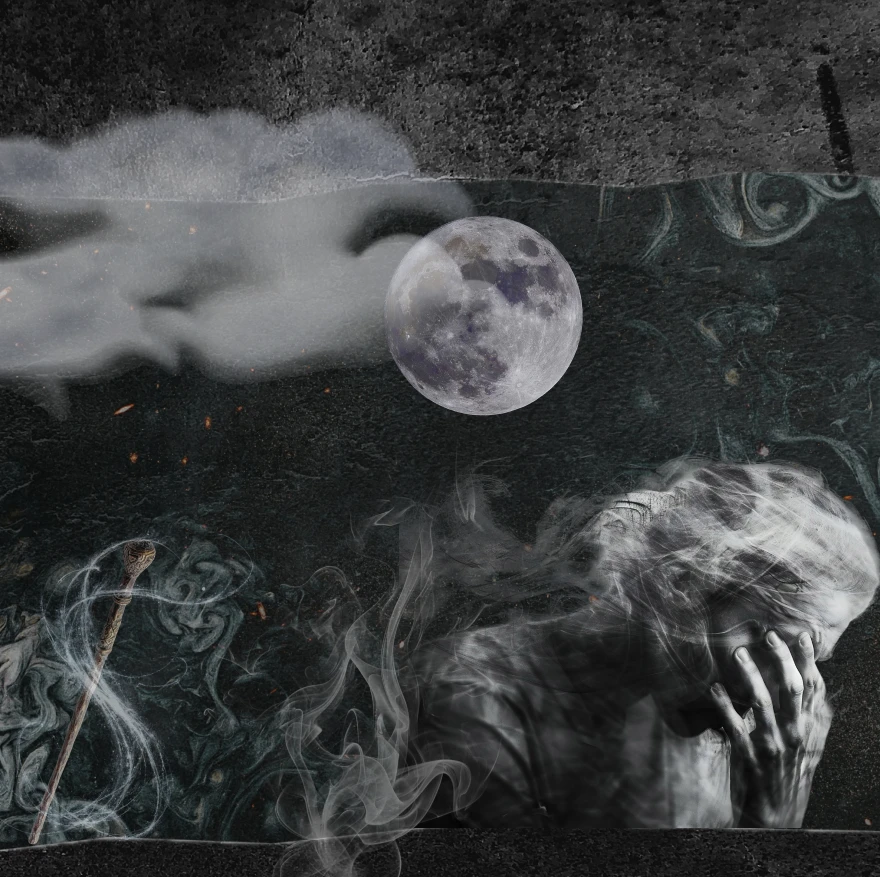
How Sheep Manure Turns into Nutrient Rich Fertilizer
16 July 2026
Sheep dunged nutrient-rich organic fertilizer for plants, made with the help of maggots. Built on community empowerment and a zero-waste principle.



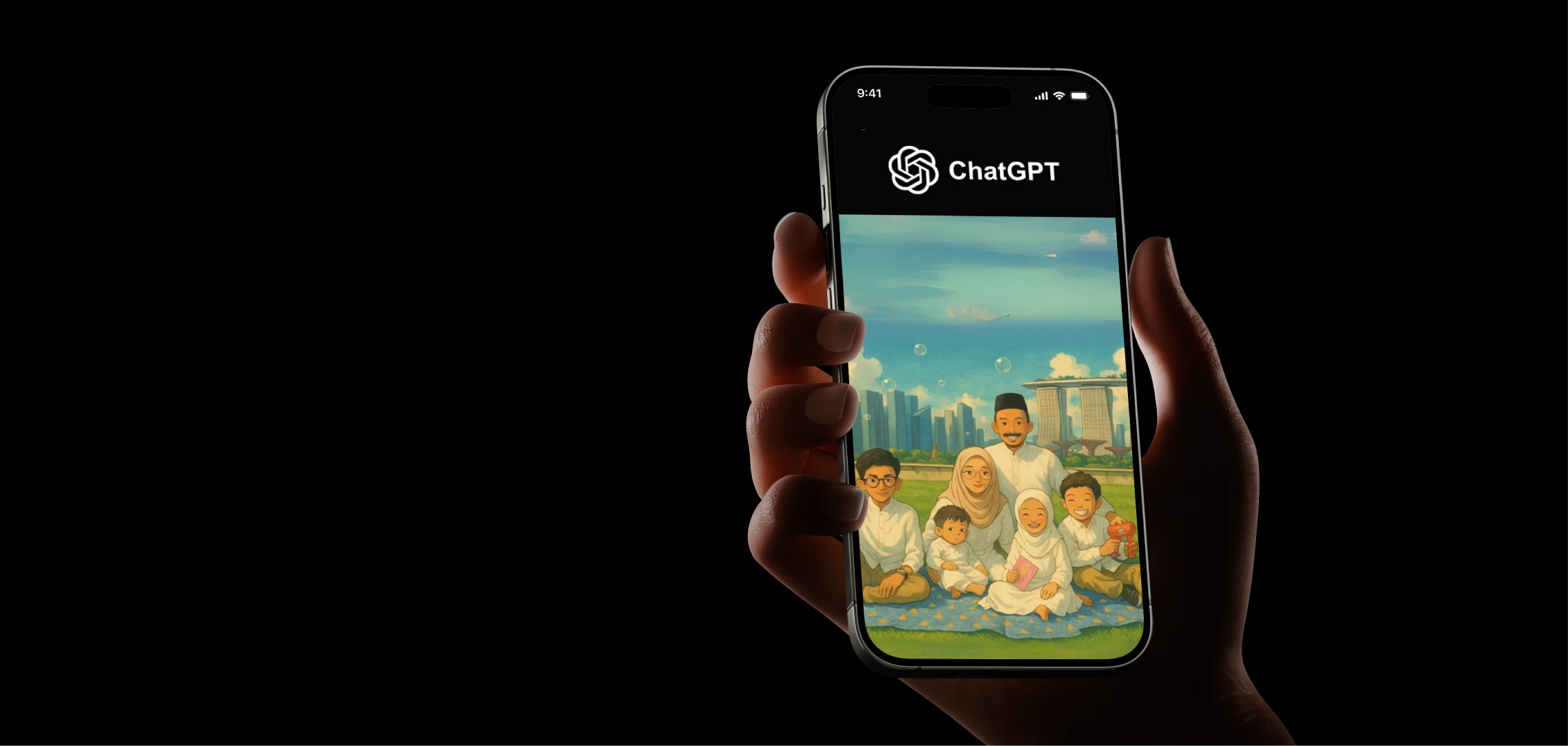
Copyright infringement has become a hot topic in the anime industry, especially with the rise of the Ghibli AI trend, also known as Ghiblification. The new GPT-4o feature by OpenAI can now transform user photos or images into illustrations that mimic the iconic animation style of Studio Ghibli.
Who isn’t familiar with Studio Ghibli? This legendary Japanese animation studio was founded by Hayao Miyazaki and Isao Takahata in 1985. Some of their most well-known and widely acclaimed animated movies include Spirited Away (2001), My Neighbor Totoro (1988), and Howl's Moving Castle (2004).
Studio Ghibli is renowned for its stunning visuals. The emotional depth explored in each of its works is another key strength. These masterpieces are the result of the tireless efforts of animators who pour their time, energy, thought, and even emotion into their craft.
The Ghibli AI trend has sparked serious discussion, as the public holds differing opinions about the issue of originality. Does this trend potentially infringe on the copyrights of artists?
According to Tempo, an old statement by Hayao Miyazaki on AI in animation, captured in a 2016 documentary, has resurfaced. Miyazaki said he felt "utterly disgusted" after seeing a demo of an AI animation that showed a body dragging its head zombie-like.
“Whoever created this has no understanding of human suffering,” Miyazaki said at the time. The animator and filmmaker, now 84 years old, firmly stated that he would never use AI-like technology in his works, calling it an insult on life itself, as quoted from Tempo (24/4/2025).
On March 27, 2025, a fake cease-and-desist letter claiming to be from Studio Ghibli went viral. Upon investigation, the letter was confirmed to be a hoax, the lawyer's name and address were invalid. As of the time this article was written, Studio Ghibli has not issued any official statement.
In Indonesia, copyright is regulated under Law Number 28 of 2014 on Copyright. This law provides protection for works in the fields of art, literature, and science, including visual art, movies, music, and written works.
However, as explained by Dr. Tashya Panji Nugraha, S.H., M.H., an expert in intellectual property law from the Faculty of Law at Universitas Muhammadiyah Surakarta (UMS), Indonesia’s current regulations do not explicitly address AI-generated works.
“Copyright law only protects the concrete expression of ideas, and does not explicitly protect general styles or aesthetics,” said Tashya in an online interview on Thursday (24/4/2025). This means that if AI merely mimics a 'general style' or visual nuance without copying a specific work, it may not necessarily constitute a copyright infringement.
But this issue has opened a new dilemma: What if the so-called general style is actually very specific, distinctive, complex, and strongly associated with a particular animation studio?

In the case of Ghibli AI or Ghiblification, the visual style in question is not generic, it’s an emotional and uniquely crafted combination. This style was developed by renowned animators with specific visions and specialized skills.
The fundamental purpose of copyright is to provide protection for creators, ensuring they can continue producing works with passion, assuring that their creations won’t be used or commercialized without permission.
According to the UMS law lecturer, some perspectives argue that visual styles such as those developed by Studio Ghibli are not merely general styles, but rather the result of uniquely expressed ideas. Based on this view, the use of AI to generate images in the style of Studio Ghibli can be considered a replication of a distinctive expression, especially if done without permission and for monetization purposes.
Citing a report from UNAIR News, the AI training process involves learning patterns and structures from datasets, often comprising existing artworks. “AI doesn’t actually create in the same way a human or an illustrator does. Instead, it replicates previous works in a way that’s creative, but not original,” explained Yutika Amelia Effendi, a robotics and artificial intelligence lecturer at Universitas Airlangga, quoted on Thursday (24/4/2025).
As a legal scholar, Tashya also questioned whether the datasets used to train Ghibli AI included copyrighted images from actual movies. If so, the training process itself could be legally problematic.
“The use of datasets derived from copyrighted animated movies should ideally obtain permission from the creator or copyright holder. Otherwise, it means the AI has ‘learned’ from materials that are actually protected by law,” he explained. This is why the issue of data transparency is critically important to address.
According to Tashya, the legal frameworks across various countries vary significantly. Some adopt a permissive stance toward the collection of training data for AI, while others emphasize fair use principles, prioritizing transparency and ethical use.
“For example, France already has fairly strict regulations. Japan tends to be more permissive, though still mindful of ethical use, and the European Union is still discussing the matter, but generally leans toward emphasizing fair use,” he added. Fair use allows the use of certain works as long as it doesn’t explicitly harm the original creator.
What about Indonesia? Indonesia currently does not have specific regulations governing the intersection of AI and copyright law.
“This creates a legal loophole that could be exploited by tech industry players or even general users,” Tashya warned. The impact of unauthorized AI use goes beyond legal concerns; it touches on the moral and economic aspects of being a creator.
Copyright infringement can result in creators not receiving recognition or benefits from their work. This becomes even more problematic when the work is altered and used for commercial purposes, such as NFTs (Non-Fungible Tokens), merchandise, and other products that generate profit for other parties, without any compensation to the original creator.
Users of software that transforms photographs, portraits, and images belonging to others into animated images with a visual style resembling specific animated movies, without the permission of the creator and/or copyright holder, are potentially violating legal rights. This can raise legal issues concerning both the moral rights and economic rights of the original creator and/or rights holder.
The development of AI is not something that can be stopped. However, regulation must be present as a balancing and safeguarding instrument, so it does not come at the expense of the moral and economic rights of artists and creators.
“A responsive governance policy for the use of intellectual works in the face of evolving AI technology is essential to prevent various forms of conflict and potential negative implications,” Tashya emphasized.
Likewise, technology developers must have clear legal boundaries when utilizing datasets. Lastly, they must also provide mechanisms for automatic attribution and compensation for artists or creators.
“Don't take this lightly! Copyright regulations especially related to AI should be discussed immediately, hopefully even realized,” he urged.
Writer: Genis Dwi Gustati
Translator: Farizal Luqman Majid
Editor: Al Habiib Josy Asheva
Sheep dunged nutrient-rich organic fertilizer for plants, made with the help of maggots. Built on community empowerment and a zero-waste principle.
Nothing’s more special than reading curated news just for you.
Subscribe to the UMS Newsletter for free today.