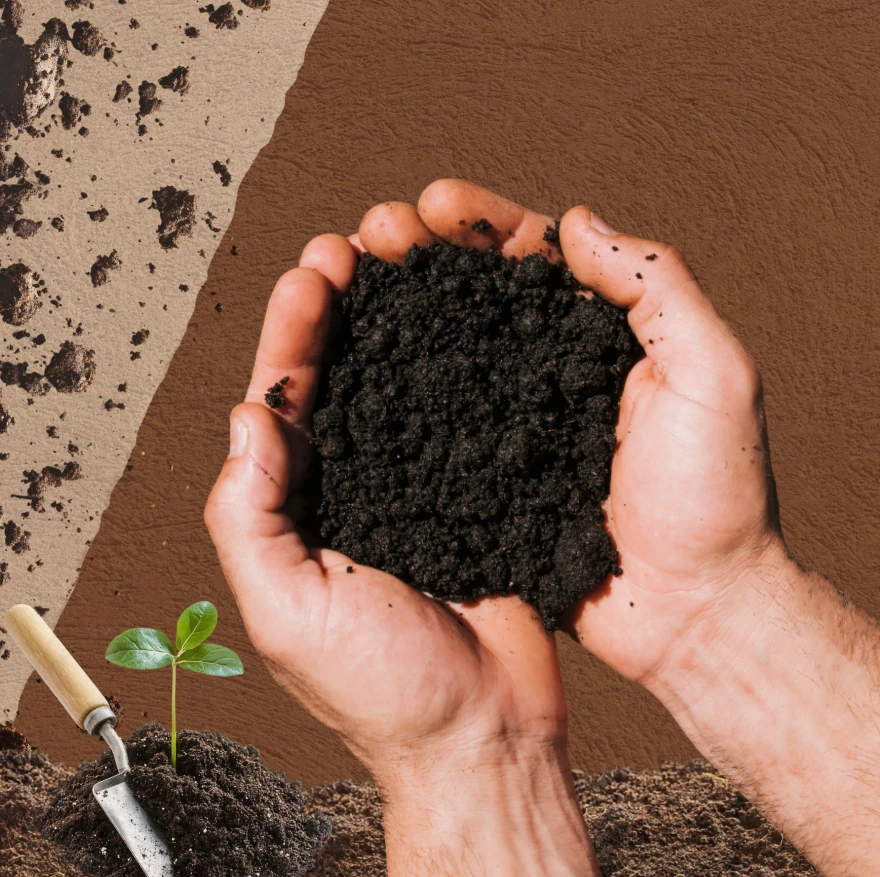
How Sheep Manure Turns into Nutrient Rich Fertilizer
16 July 2026
Sheep dunged nutrient-rich organic fertilizer for plants, made with the help of maggots. Built on community empowerment and a zero-waste principle.



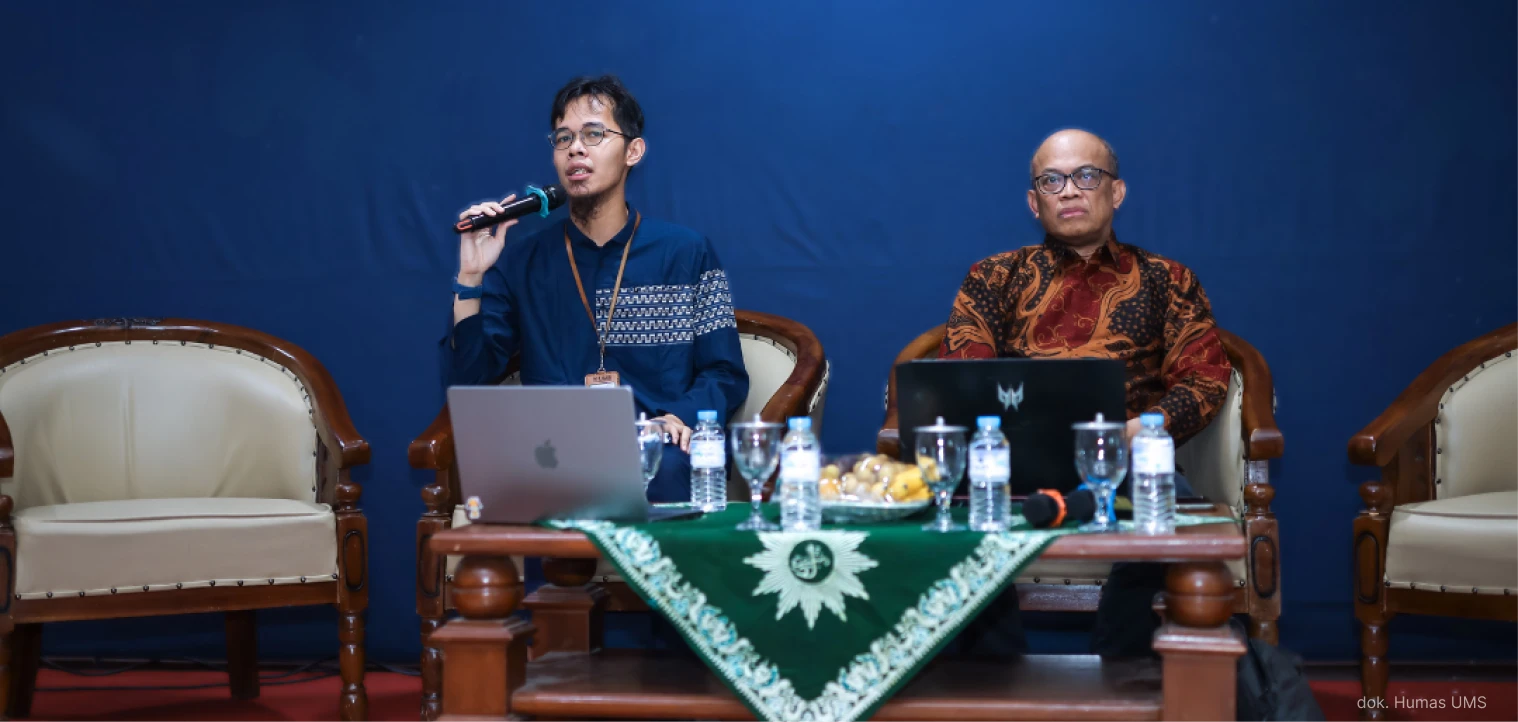
Prof. Dr. Ignasius D.A. Sutapa, M.Sc., Vice Chairman of the UNESCO Intergovernmental Hydrological Programme IX on Ecohydrology and Water Quality, emphasized that education is crucial for achieving the Sustainable Development Goals (SDGs) by 2030.
This message was conveyed during the event “Sinergi Pendidikan Nasional dan SDGs Menuju Indonesia Emas 2045: Memperkuat Peran Institusi Pendidikan dalam Pengembangan Berkelanjutan,” held on Wednesday (31/7/2024) at the Faculty of Economics and Business, Universitas Muhammadiyah Surakarta (UMS).
One endeavor to meet these targets is to implement sustainable education. Ignasius explained that sustainable education is a continuous concept encompassing all levels, from early childhood education and basic education to secondary and higher education.
“Sustainable means instilling values and systems so that the education system ultimately prepares graduates to be independent, gain employment, and contribute to society,” he explained.
For this reason, Ignasius emphasized that the government must provide supporting factors, such as creating job opportunities for graduates. “After graduating, so what?” he questioned. Changes in the education sector are needed. He stressed the importance of evaluating and reorganizing sustainable education in Indonesia.
However, efforts to provide quality education are still hampered by challenges. One significant challenge is the need to increase public and student awareness of the SDGs, particularly the fourth SDG: Quality Education.
“There is uneven understanding at all levels of education in Indonesia regarding the importance of SDGs, especially in the context of education,” he explained.
Indonesia is also undergoing a period of government transition, which opens up opportunities for changes in education policy. According to him, policymakers can map out new policies based on real conditions in the field through discussion forums with teachers and education departments.
He added, “It is time for us to provide new input for the new government on issues such as national exams, zoning, and employment.”
Ignasius explained that consolidation from upstream to downstream in the implementation of the curriculum in Indonesia must be carried out. This consolidation aims to assess whether the education system in Indonesia meets current needs and challenges. “We must succeed in developing an education system that aligns with the character of our cultured nation,” he said.
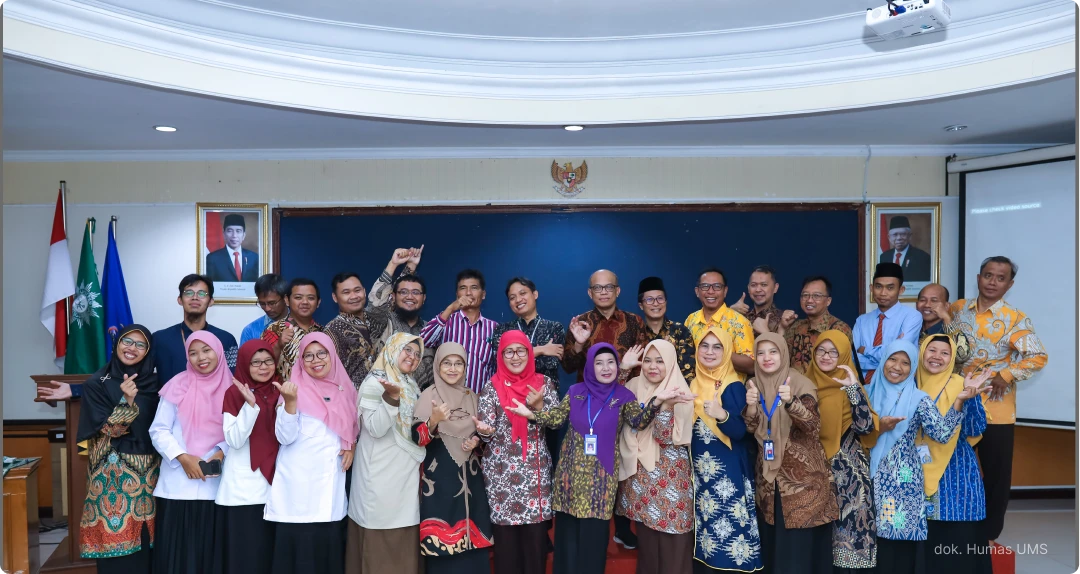
Participants of the UMS Sustainability Talk. Imam Safii/Public Relations
Ignasius appreciated the establishment of the SDGs Center at UMS. According to him, this initiative demonstrates UMS commitment to implementing the Sustainable Development Goals (SDGs) in Indonesia, particularly in the Greater Solo area.
“Currently, there are around 40 universities with SDGs Centers out of approximately four thousand universities in Indonesia,” said Ignasius. “This can certainly serve as a reference for other universities.”
The Head of the UMS SDGs Center, Rama Rizana, S.T., M.Sc., mentioned that the establishment of the UMS SDGs Center aims to accelerate UMS contribution to achieving the Sustainable Development Goals (SDGs). “Additionally, university rankings related to sustainability serve as tools for evaluation and improvement for UMS in the future,” he stated.
Yesterday’s UMS Sustainability Talk was the first event following the inauguration of the UMS SDGs Center on March 21, 2024. Participants included representatives from UMS, various government institutions, university leaders, and Principals of Muhammadiyah high schools/vocational schools in Greater Solo. Rama explained that the participants were chosen to align with the theme, “Strengthening the Role of Educational Institutions in Sustainable Development.”
“UMS Sustainability Talk aims to invite stakeholders in the field of education, including universities, Muhammadiyah high schools/vocational schools, and government institutions in Greater Solo, to discuss how to strengthen the role of educational institutions in realizing the SDGs,” concluded Rama.
Writer: Gede Arga Adrian
Editor: Al Habiib Josy Asheva
Translator: Farizal Luqman Majid
Sheep dunged nutrient-rich organic fertilizer for plants, made with the help of maggots. Built on community empowerment and a zero-waste principle.
Nothing’s more special than reading curated news just for you.
Subscribe to the UMS Newsletter for free today.