Bank Indonesia Holds Interest Rate at 5.75%, What Is the Impact?
24 July 2026
Bank Indonesia has held its benchmark rate at 5.75 percent, ending speculation of a hike to 6 percent that had circulated in recent weeks.


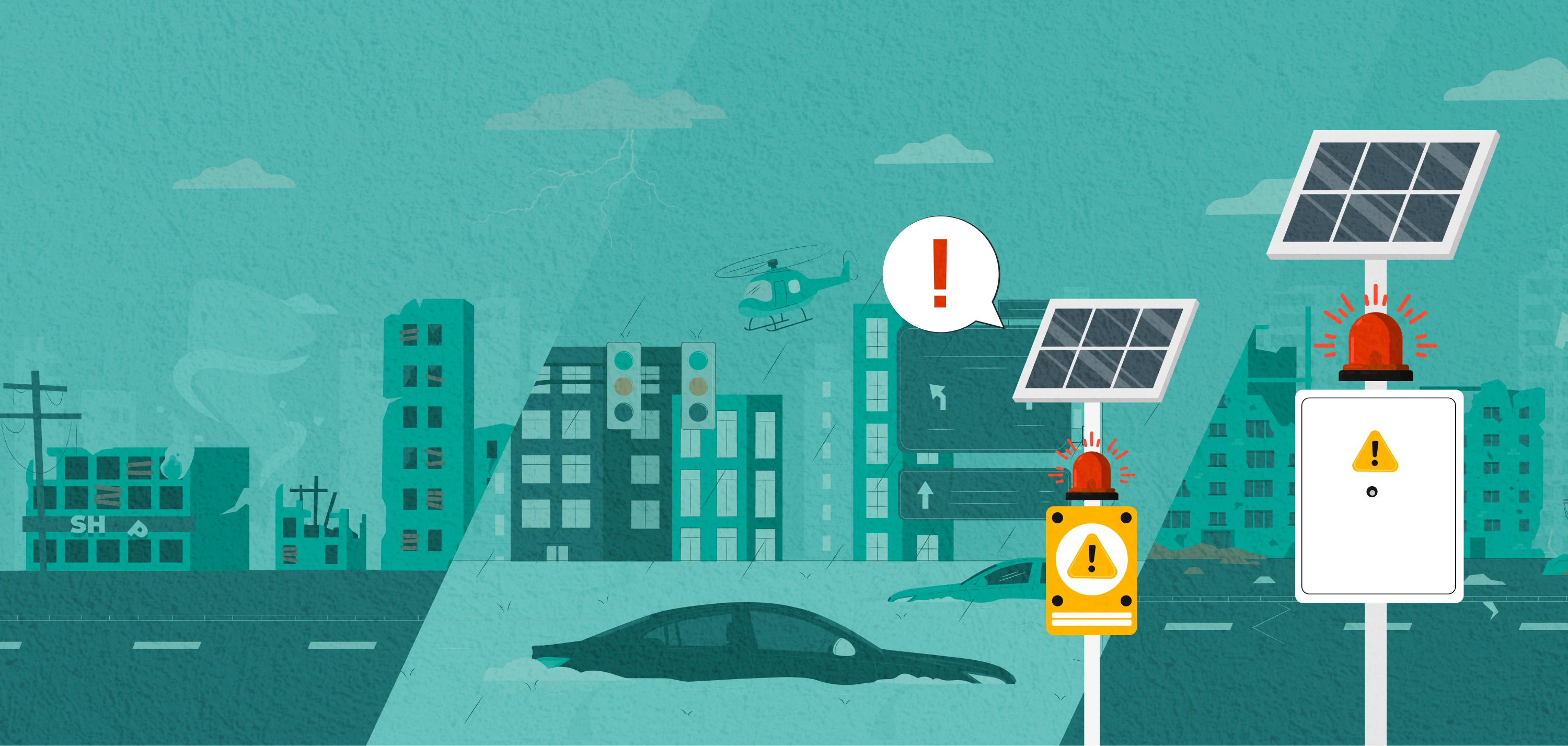
In today's media, disaster news seems to dominate the headlines. Floods, hurricanes, landslides, and earthquakes constantly cycle through newsrooms, creating a sense of uneasiness. The beginning and end of the year present a paradoxical time. While we're filled with enthusiasm to welcome a new year, there's also an underlying anxiety about the potential for lurking danger.
The haunting memories of the devastating tsunami in Aceh at the end of 2004 remain etched in our minds. The relentless fury of Mount Merapi in early November 2010, with its volcanic ash reaching West Java, is another vivid recollection. Tsunami that struck the coast of Banten in late 2018, or the rare 2018 Lombok earthquake that was followed by four aftershocks with magnitudes above 5. These calamities act as a stark reminder, conditioning us to be ever-vigilant as we approach the turn of the year.
Read more: Unraveling the Seismic Puzzle on the Northern Coast of Lombok Island
According to Law No. 24 of 2007, preparedness is defined as a series of activities designed to anticipate disasters through organized and effective measures. Being a country situated along the ring of fire, preparedness takes on a crucial role in enhancing community capacity. The goal is to develop a high level of capacity, which in turn is anticipated to mitigate disaster risks significantly.
Despite our nation's frequent encounters with disasters, the level of preparedness falls short of expectations. Our response paradigm still leans towards emergency response when disasters strike. This stands in contrast to the proactive paradigm advocated by the United Nations International Strategy for Disaster Reduction (UNISDR). UNISDR emphasizes a holistic approach, prioritizing sustainable management from the pre-disaster to post-disaster phases.
Reflecting on Japan's disaster preparedness, it becomes evident that Indonesia lags far behind. A recent example is the earthquake in Ishikawa on January 2, which gained widespread attention on social media. This disaster showcased Japan's commitment to being a prepared nation, with a seamless integration of technology and human resources. The world witnessed Japan's ability to meet all the prerequisites for disaster readiness.
The Ishikawa earthquake served as a powerful example of how an Early Warning System (EWS) can play a vital role in saving lives. The technology is integrated into all smartphones within the community, emitting warning signals just before an earthquake strikes. In one notable instance, the system alerted people 18 seconds prior to the earthquake, providing a brief but valuable window for individuals to take necessary safety measures or evacuate.
A decade ago, I remember a disaster expert claimed that detecting earthquakes was impossible, casting doubt on the feasibility of implementing an Early Warning System (EWS). However, Japan's recent advancements in technology and disaster science have debunked this notion. Japan's success in implementing an Earthquake Early Warning System stands as an important breakthrough. This achievement is noteworthy since earthquakes pose a high risk and are among the most dangerous disasters, often resulting in casualties.
Daryono, the Head of BMKG's Earthquake and Tsunami Center, shared on his X account that a comparable Early Warning System (EWS) is currently undergoing testing in Indonesia. During the Sumedang earthquake on December 31, BMKG's EWS successfully detected the earthquake 11 seconds before it occurred. However, the system is still in the testing phase, and there is uncertainty regarding when it will be available for widespread use within the community. Even when fully ready, there are additional considerations related to community psychology that must be addressed for the tool to effectively serve as an early warning system.
First, the government should help the community get ready to use EWS. People need to learn how to stay safe during earthquakes, so they don't freak out when the EWS alarm goes off. Just think about what would happen if the system is put in place without any education beforehand. The panic from the alarm could lead to chaos and other problems, especially if it goes off in closed places like malls, schools, or offices. Even in open areas, it could create a lot of confusion. The fake news incident about the Sriwedari Mosque tower collapsing in 2022, which scared people during car free day, shows why education is crucial.
Looking at the recent Ishikawa earthquake, we can observe the calmness of the Japanese people in the face of disaster. This calmness is not the outcome of just one or two educational sessions but the result of a prolonged learning process. Even from a very young age, they receive consistent education on how to respond to earthquakes. Beyond ongoing education, there are additional factors contributing to their composure, such as the construction of earthquake-resistant buildings.
Japan is known for its meticulous attention to building construction. The use of adaptive construction techniques is evident in numerous videos showcasing how buildings in Japan sway during an earthquake, allowing them to remain standing even in the face of seismic activity. This design significantly reduces the fear of building collapse, minimizing panic for those inside. Now, turning our attention to Indonesia, what measures and strategies are in place to ensure the resilience of buildings during earthquakes?
Hoping for buildings in Indonesia to sway like in Japan might seem like a distant dream. Besides, earthquake-resistant construction comes at a significant cost. The millennial generation is already grappling with the challenge of rising house prices, and adding earthquake-resistant features only exacerbates the affordability issue. It's no surprise that many buildings suffer collapse even from minor earthquakes due to their fragile construction.
While envisioning earthquake-resistant building construction might seem ambitious, prioritizing the resilience of public buildings is a pragmatic step. The National Standardization Agency (BSN) has already set the groundwork with the Indonesian National Standard (SNI) 1726:2019, outlining the procedures for planning earthquake-resistant buildings. The key now lies in implementation and monitoring to ensure that these standards are upheld in practice.
In addition to educating the public on self-preservation during disasters, the second aspect is ensuring the security of the disaster Early Warning Systems (EWS) in place. It is unfortunately no secret that many EWS devices have been subject to theft. I recall a lecture where a landslide expert expressed frustration over the theft of the landslide EWS he had recently installed, just within a few weeks. This situation is ironic. A tool designed to mitigate casualties ends up being treated like a mere piece of metal.
To prevent recurring incidents, it is important for the government and stakeholders to raise public awareness regarding the threats of disasters. In addition to strategically installing Early Warning Systems (EWS) in secure locations, fostering community awareness is crucial. By cultivating a sense of alertness and responsibility, communities can collectively engage in surveillance efforts to deter theft and vandalism.
Written by: Fajar Ruddin, S.Psi., M.Sc., M.A. (Lecturer in Disaster Psychology, Faculty of Psychology, Universitas Muhammadiyah Surakarta)
Source: Solopos Newspaper Saturday Wage - Sunday Kliwon Edition, January 13-14, 2024
Bank Indonesia has held its benchmark rate at 5.75 percent, ending speculation of a hike to 6 percent that had circulated in recent weeks.
Nothing’s more special than reading curated news just for you.
Subscribe to the UMS Newsletter for free today.