The Scholar Behind UMS's Master's Program in IQT
27 July 2026
Prof. Andri Nirwana, S.TH., M.Ag., Ph.D., pioneered the Master of Al-Quran and Tafsir Studies as a first step in strengthening Quranic studies within Muhammadiyah.


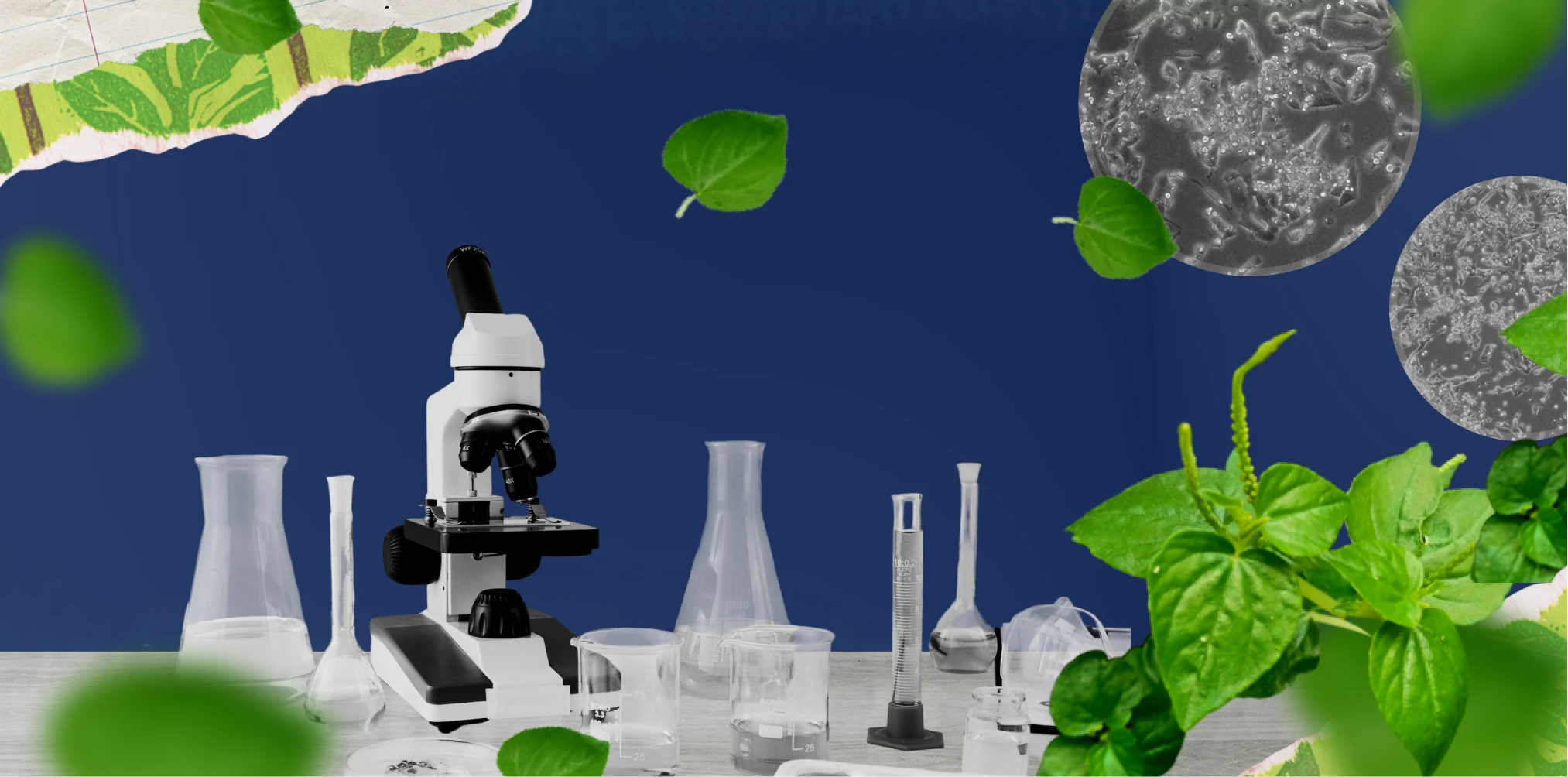
Over the past year, Dr. apt. Febri Wulandari, S.Farm., a lecturer at the Pharmacy Department of Universitas Muhammadiyah Surakarta (UMS), has been actively researching the suruhan plant. She is exploring the potential of extracts from this plant, scientifically known as Peperomia pellucida, to reduce the side effects of the cancer drug doxorubicin.
Doxorubicin is a medication used as a chemotherapy agent for cancer patients. Febri explained that it is effective as an agent of chemotherapy of breast cancer, lymphoma, prostate cancer, and gastric cancer.
However, this drug has rather severe side effects on the body. Febri noted that some of doxorubicin’s side effects include nausea and vomiting, diarrhea, loss of appetite, hair loss during treatment, fungal infections on the nails, mouth ulcers, as well as heart and kidney damage.
She tested suruhan extract and doxorubicin on 4T1 breast cancer cells and normal cells. The 4T1 cells were obtained from mice, while the normal cells (Vero) were obtained from monkey kidneys. “Vero represents normal cells that are not cancerous,” said Febri when met at the UMS Pharmaceutical Biology Laboratory, (20/8/2025).
Febri’s research showed that suruhan extract could reduce the side effects of doxorubicin on normal cells, while at the same time, doxorubicin continued to suppress the growth of cancer cells. “(Suruhan extract) is relatively safer than doxorubicin,” she added.
Febri explained that studies on the benefits of suruhan in reducing the side effects of doxorubicin are still limited. “Suruhan has not been widely studied in cancer research,” she said. She even invited two of her students, Rauhillah Nurul Azizah and Yopi Amere Putri, to take on the topic for their undergraduate thesis.
However, the two students only tested suruhan extract and doxorubicin on cancer cells. Febri then developed the research by testing it on normal cells as well. The goal was to see whether suruhan could protect normal cells from the side effects of doxorubicin. “What we want is a drug that kills cancer cells without affecting normal cells,” she added.
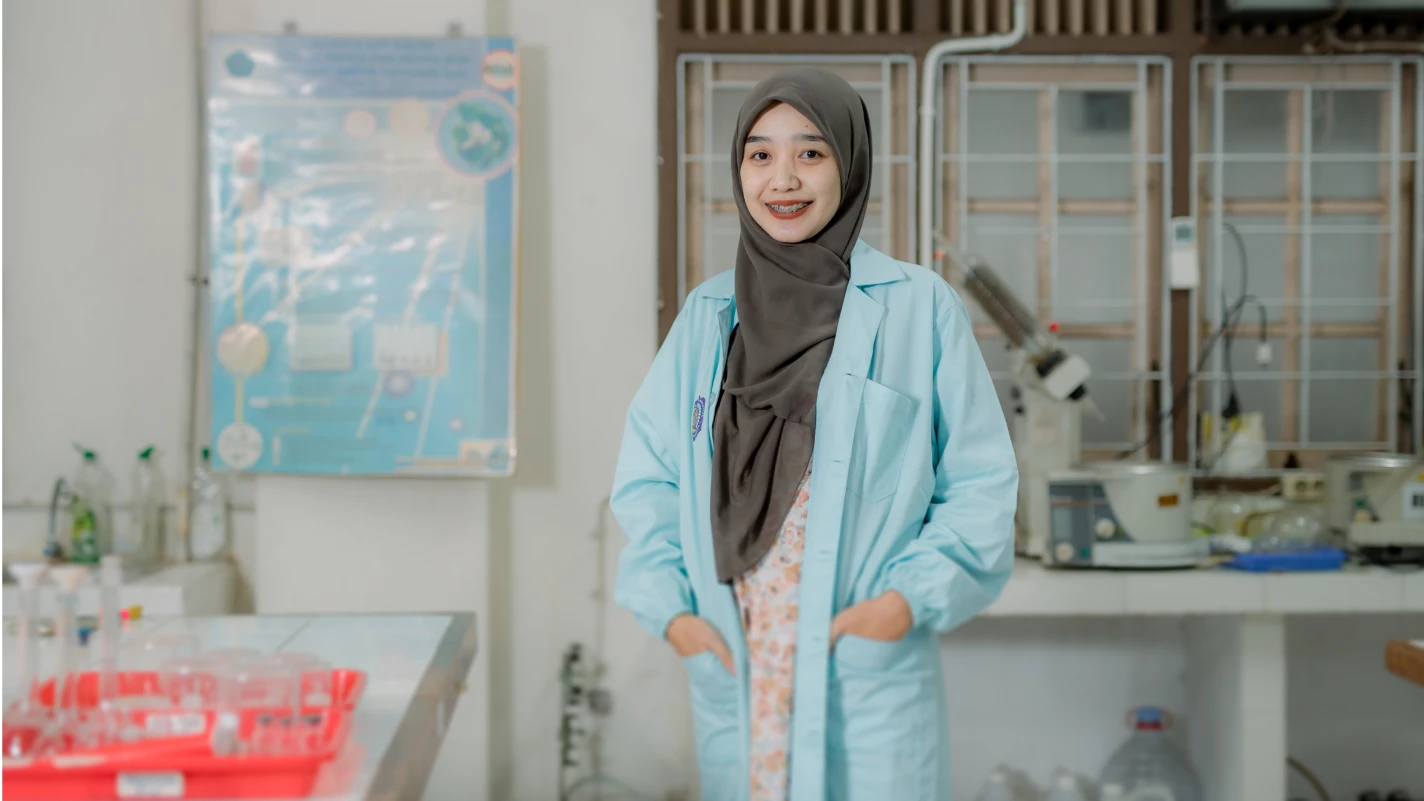
Dr. Apt. Febri Wulandari, S.Farm., at the UMS Pharmaceutical Biology Laboratory. UMS Public Relations/Imam Safii
Read more: Nature’s Remedy for High Blood Sugar
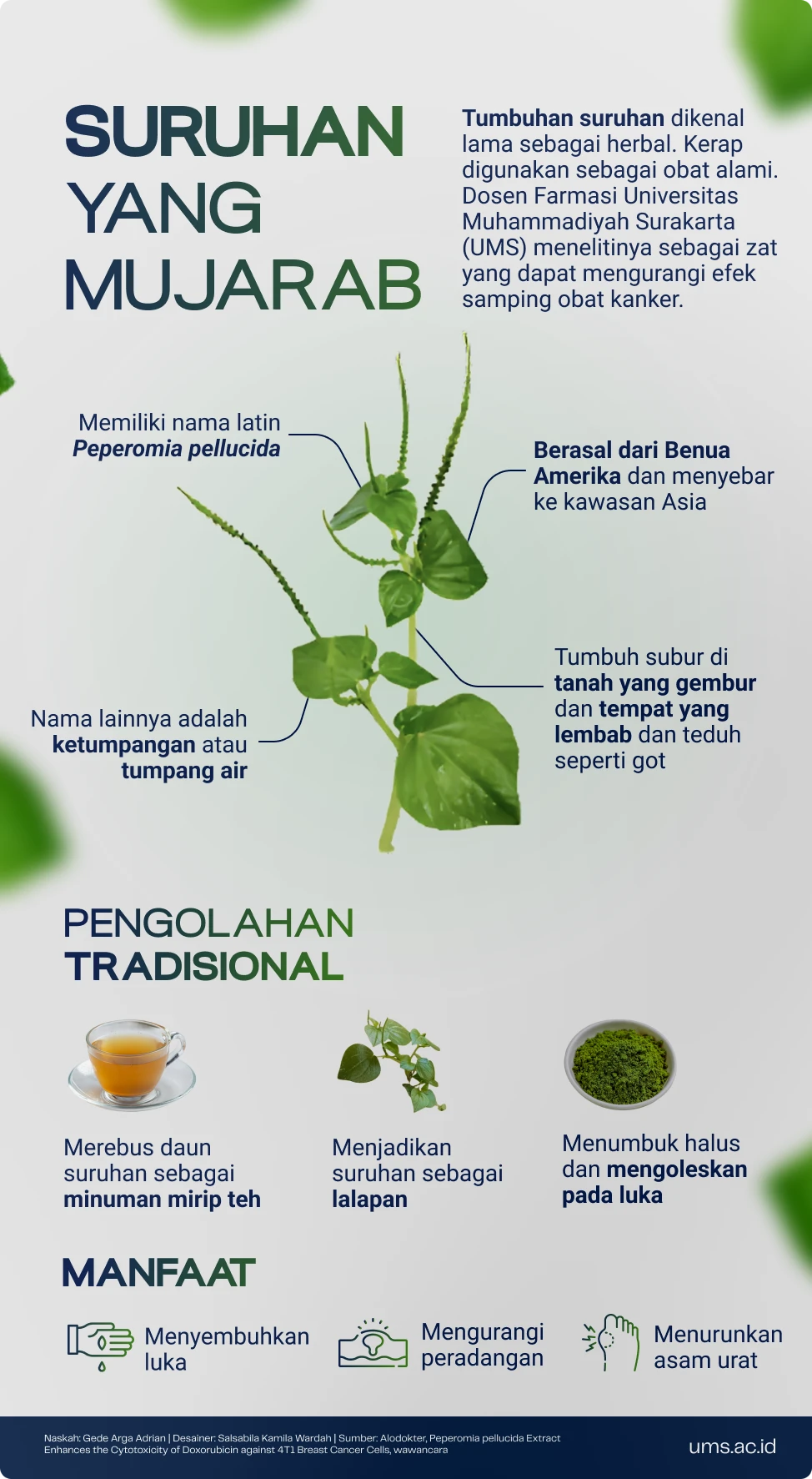
Suruhan is a wild plant that grows in damp and shaded areas. “Like in drains, for example,” she said. The plant originates from the Americas and has spread to Asia.
Febri explained that suruhan is widely used as a medicinal herb. It can be processed in various ways, by drinking its boiled water, eating it fresh as a vegetable, or grinding it into a paste to be applied to wounds.
According to Febri, several empirical records point to suruhan’s benefits as an herbal remedy, from healing wounds and reducing inflammation to relieving stomach aches. These records inspired her to explore suruhan’s potential in reducing the side effects of doxorubicin.
She said suruhan is easy to find in Java. For her research, she used suruhan collected from her backyard in the Maguwoharjo area, Sleman Regency, Special Region of Yogyakarta.
She explained that the research took six months to complete. The testing aimed to determine the optimal concentration between suruhan extract and doxorubicin. “We want to know at which concentration it (suruhan) has the potential to reduce the side effects of doxorubicin,” said the breast cancer researcher.
The first step was drying and grinding the suruhan into powder. This process was intended to obtain the plant’s extract. Febri carried out maceration, or soaking the suruhan in 96% ethanol for 48 hours at room temperature.
A phytochemical screening was then conducted to detect the plant’s organic compounds. The suruhan extract and doxorubicin were tested on both cancer cells and normal cells using 96 well plates. The experiment was repeated 96 times to ensure accuracy
The results showed that the most ideal concentration was 80 micrograms per millimeter for suruhan and 0.4 micrograms per millimeter for doxorubicin. Febri explained that this concentration was the most effective in killing 50 percent of the cancer cells used during the trials. “At the same time, it also reduced the side effects of doxorubicin on normal cells,” she said.
Febri stressed that research involving doxorubicin requires extra caution. She noted that exposure to doxorubicin in normal cells can be carcinogenic. “When working with cell cultures, you need special equipment to avoid exposure to carcinogenic substances,” she explained.
In addition, testing cancer cell activity also requires special handling. According to Febri, cancer cells are highly sensitive to bacteria, temperature, and humidity. This is especially challenging in Indonesia, where humidity levels are high and CO2 levels fluctuate unpredictably.
Research on plant extracts must also go through gradual processes and takes considerable time. A single suruhan extract contains an average of 10 different compounds, each of which must be studied individually. “It’s not like doxorubicin, which consists of only one compound,” she added.
Febri explained that isolating a single compound from suruhan extract could take a long time. The compounds in suruhan must be confirmed to cause no negative effects on body organs.
“Our hope is that from this study we will eventually obtain a single compound through isolation. That is indeed the ultimate goal. However, what is no less important is that the extract itself can also be directly utilized as a supportive therapy, as long as it is proven to be safe and effective,” he said.
Writer: Gede Arga Adrian
Translator: Farizal Luqman Majid
Editor: Al Habiib Josy Asheva
Prof. Andri Nirwana, S.TH., M.Ag., Ph.D., pioneered the Master of Al-Quran and Tafsir Studies as a first step in strengthening Quranic studies within Muhammadiyah.
Nothing’s more special than reading curated news just for you.
Subscribe to the UMS Newsletter for free today.