
How Sheep Manure Turns into Nutrient Rich Fertilizer
16 July 2026
Sheep dunged nutrient-rich organic fertilizer for plants, made with the help of maggots. Built on community empowerment and a zero-waste principle.



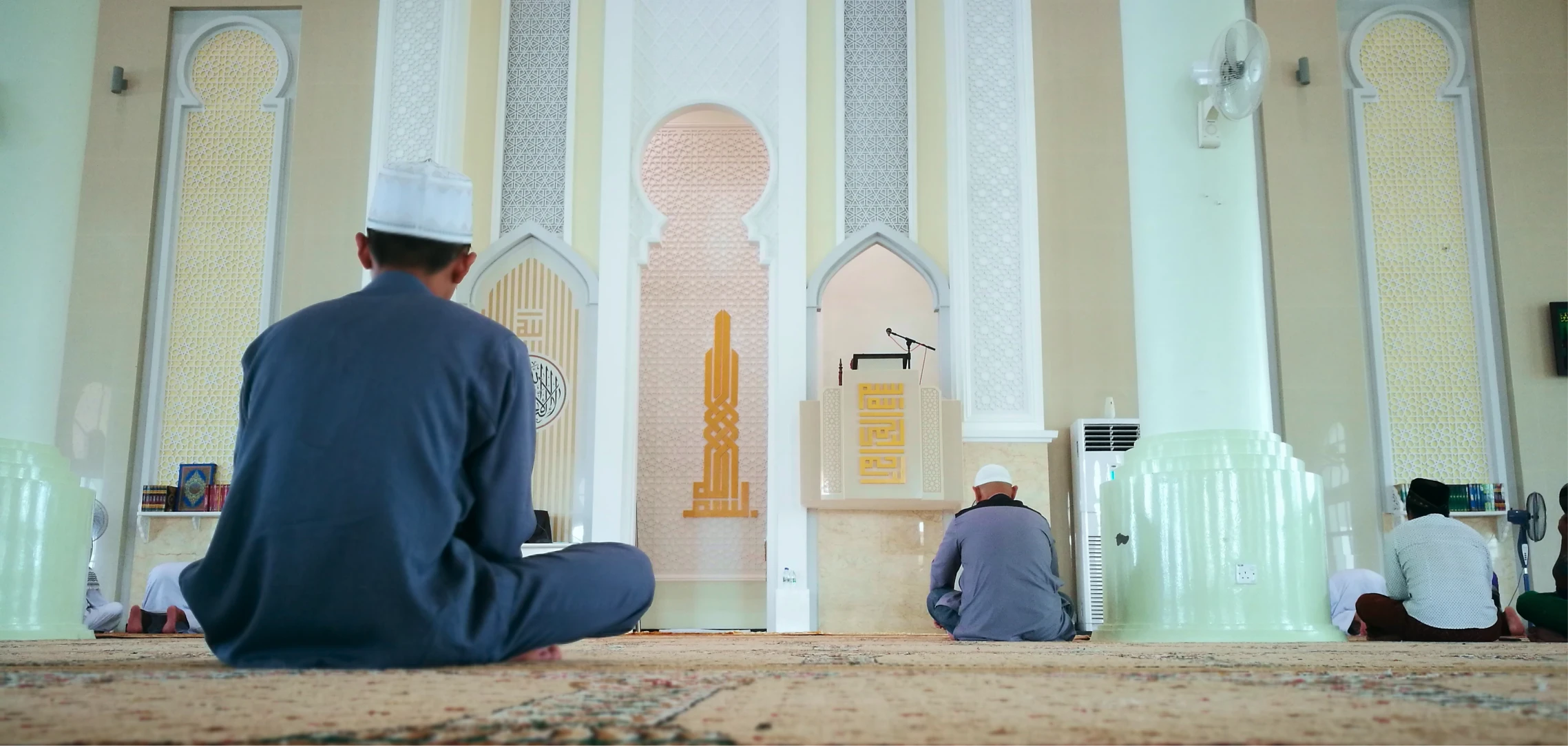
I'tikaf, in terms of language, means to stay or remain in a place. In terms of shari'a (Islamic laws), I'tikaf refers to staying in the mosque with the intention of worshiping and drawing closer to Allah SWT by performing prescribed acts of worship such as prayer, dhikr, reading Al-Qur'an, and other righteous deeds during the last ten days of Ramadan.
This act of worship is mentioned in Surah Al-Baqarah, verse 125.
َإِذْ جَعَلْنَا ٱلْبَيْتَ مَثَابَةً لِّلنَّاسِ وَأَمْنًا وَٱتَّخِذُوا۟ مِن مَّقَامِ إِبْرَٰهِۦمَ مُصَلًّى ۖ وَعَهِدْنَآ إِلَىٰٓ إِبْرَٰهِۦمَ وَإِسْمَٰعِيلَ أَن طَهِّرَا بَيْتِىَ لِلطَّآئِفِينَ وَٱلْعَٰكِفِينَ وَٱلرُّكَّعِ ٱلسُّجُودِ
Meaning: And ˹remember˺ when We made the Sacred House a centre and a sanctuary for the people ˹saying˺, “˹You may˺ take the standing-place of Abraham as a site of prayer.” And We entrusted Abraham and Ishmael to purify My House for those who circle it, who meditate in it, and who bow and prostrate themselves ˹in prayer˺.
Dr. Mujazin, S.Pd., M.A., Head of AIK Learning & Islamic Science Studies at the Office for Boarding House Development, Al-Islam, and Muhammadiyah, stated that I'tikaf in the mosque is not limited to the month of Ramadan.
“However, specifically in Ramadan, the rewards for I'tikaf are multiplied, which makes it special,” Mujazin explained.
Additionally, many people follow the Sunnah of performing i'tikaf during the last ten days of Ramadan to seek the Lailatul Qadar. During these last ten days, Muslims are encouraged to increase their worship by reading Al-Qur'an, performing night prayers, staying in the mosque, and istighfar (seeking forgiveness) from Allah SWT.
It is mentioned in a hadith from Ibn Hajar Al-Asqalani in the book Bulughul Marom, Hadith no. 699.
عَنْ عَائِشَةَ رَضِيَ اَللَّهُ عَنْهَا قَالَتْ:- أَنَّ اَلنَّبِيَّ – صلى الله عليه وسلم – كَانَ يَعْتَكِفُ اَلْعَشْرَ اَلْأَوَاخِرَ مِنْ رَمَضَانَ, حَتَّى تَوَفَّاهُ اَللَّهُ, ثُمَّ اعْتَكَفَ أَزْوَاجُهُ مِنْ بَعْدِهِ – مُتَّفَقٌ عَلَيْهِ
From ‘A’ishah radhiyallahu ‘anha, she said that the Prophet shallallahu ‘alaihi wa sallam used to perform i'tikaf during the last ten days of Ramadan until Allah took his life. After his death, his wives continued to perform i'tikaf. (Muttafaqun ‘alaih, HR. Bukhari no. 2026 and Muslim no. 1172).
“This is a great opportunity for Muslims who are performing i'tikaf from the 21st night until the last day, for example, if they happen to read Al-Qur'an on that night, then the reward of reading the Qur'an will be equivalent to reading it for 80 years,” explained Mujazin.
The same applies to other acts of worship; if someone performs Qiyamul Lail and encounters Lailatul Qadar, the reward of their prayer will be equivalent to praying for 80 years. A charity of IDR 50,000 will also be rewarded as if it were a donation of IDR 50,000 for 80 years. However, he advised not to limit i'tikaf to only the odd nights but to do it on all nights.
The intention for itikaf in the mosque, according to the Muhammadiyah Tarjih, is sufficient to unspoken. Thus, someone intending to perform i'tikaf simply needs to go to the mosque and engage in righteous deeds. However, if the intention is verbally expressed, it is still valid.
The procedure for i'tikaf can be carried out with the following steps:
There is no minimum duration for i'tikaf. Remaining in the mosque for any period of time with the intention of i'tikaf qualifies as i'tikaf, even if it’s just for one hour.
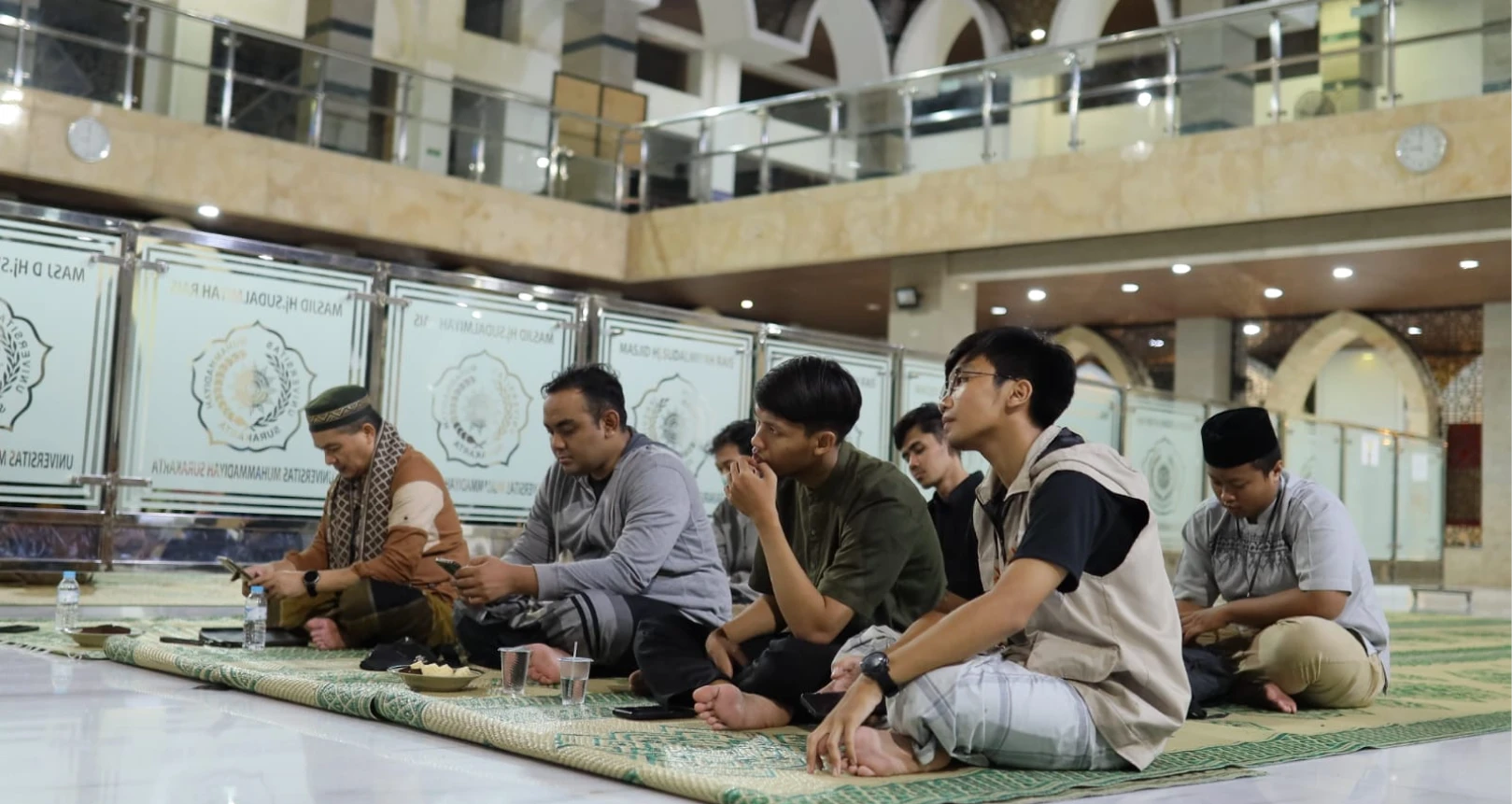
Male participants of itikaf attending the dawn study session as part of the itikaf activities at Sudalmiyah Rais Mosque, UMS, on Saturday, March 30, 2024. (UMS PR)
The requirements for i'tikaf are not about being knowledgeable or an expert in religion. Rather, one only needs to be a Muslim, baligh (mature), and of sound mind.
Mujazin mentioned several things that can invalidate i'tikaf:
Itikaf is generally performed in the mosque. However, for wives or daughters, if there is a designated prayer space at home, i'tikaf can be performed there, Insha Allah. For wives and daughters performing i'tikaf in the mosque, it is recommended to obtain permission from their husbands and to perform i'tikaf with them, ensuring that it does not cause disturbance or fitnah.
“Insha Allah, the support of a wife for her husband’s i'tikaf at the mosque will also bring blessings to the wife from the i'tikaf that the husband gains at the mosque,” said Mujazin.
To avoid causing disturbance or fitnah, one can dress modestly, avoid overly fragrant perfume, wear simple mukena, and not neglect the care of children left at home, especially for suhoor or iftar.
Writer: Maysali Sudarwati
Translator: Farizal Luqman Majid
Editor: Al Habiib Josy Asheva
Sheep dunged nutrient-rich organic fertilizer for plants, made with the help of maggots. Built on community empowerment and a zero-waste principle.
Nothing’s more special than reading curated news just for you.
Subscribe to the UMS Newsletter for free today.