
How Sheep Manure Turns into Nutrient Rich Fertilizer
16 July 2026
Sheep dunged nutrient-rich organic fertilizer for plants, made with the help of maggots. Built on community empowerment and a zero-waste principle.



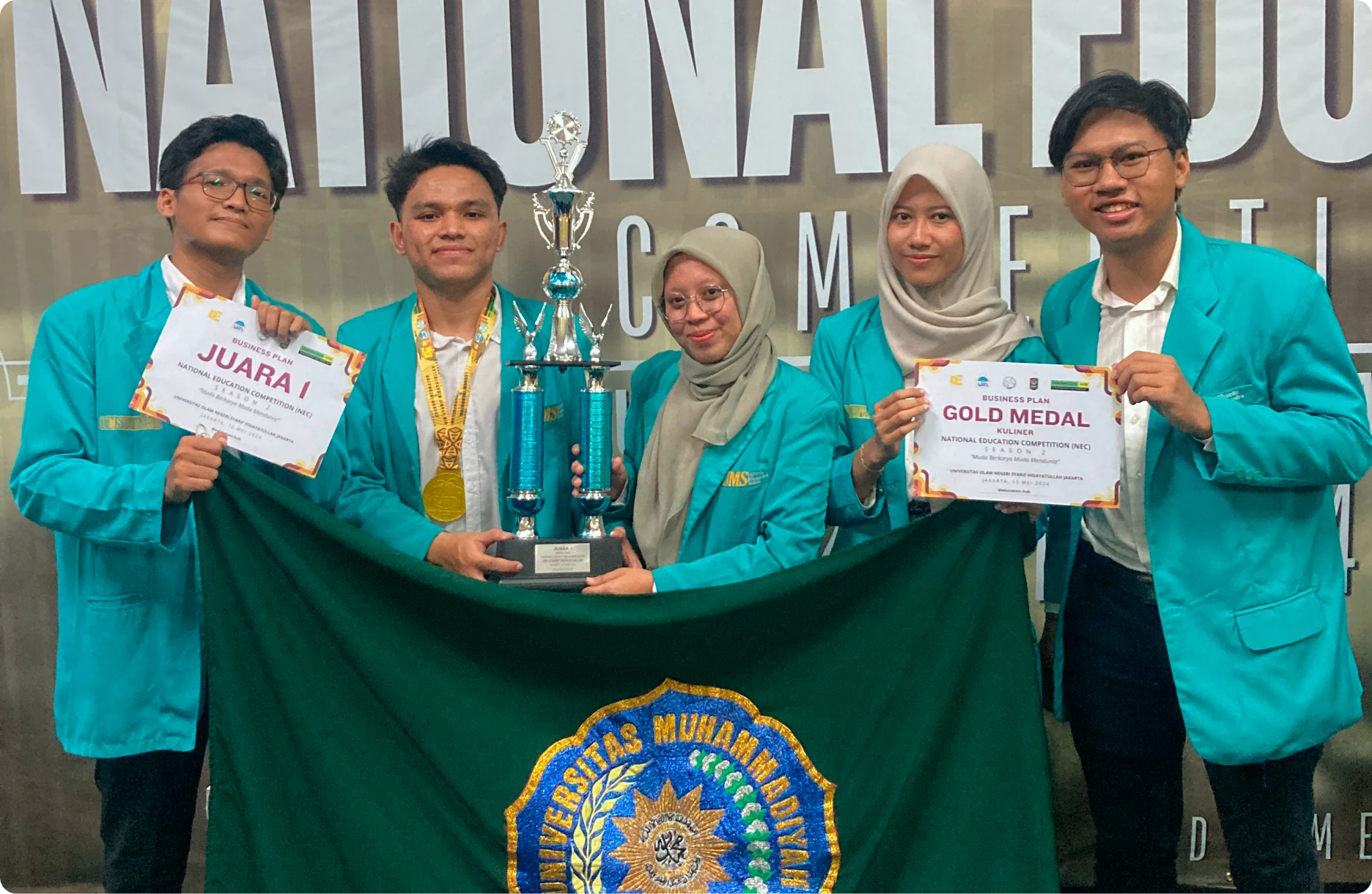
Similar to the saying, “hitting two birds with one stone,” a team consisting of student from the Chemical Engineering, Accounting Education, and English Education Study Programs at Universitas Muhammadiyah Surakarta (UMS), achieved remarkable success by winning gold medal and crowned as overall winner in the business plan category at the National Education Competition, held at Universitas Islam Negeri (UIN) Syarif Hidayatullah, Jakarta.
The National Education Competition is a prestigious event organized by an Indonesian education incubator, Education Hub. It features student business plans and essay competitions at the national level. This year’s competition, held on May 12-13, 2024, saw participation from 150 teams representing 64 universities across Indonesia.
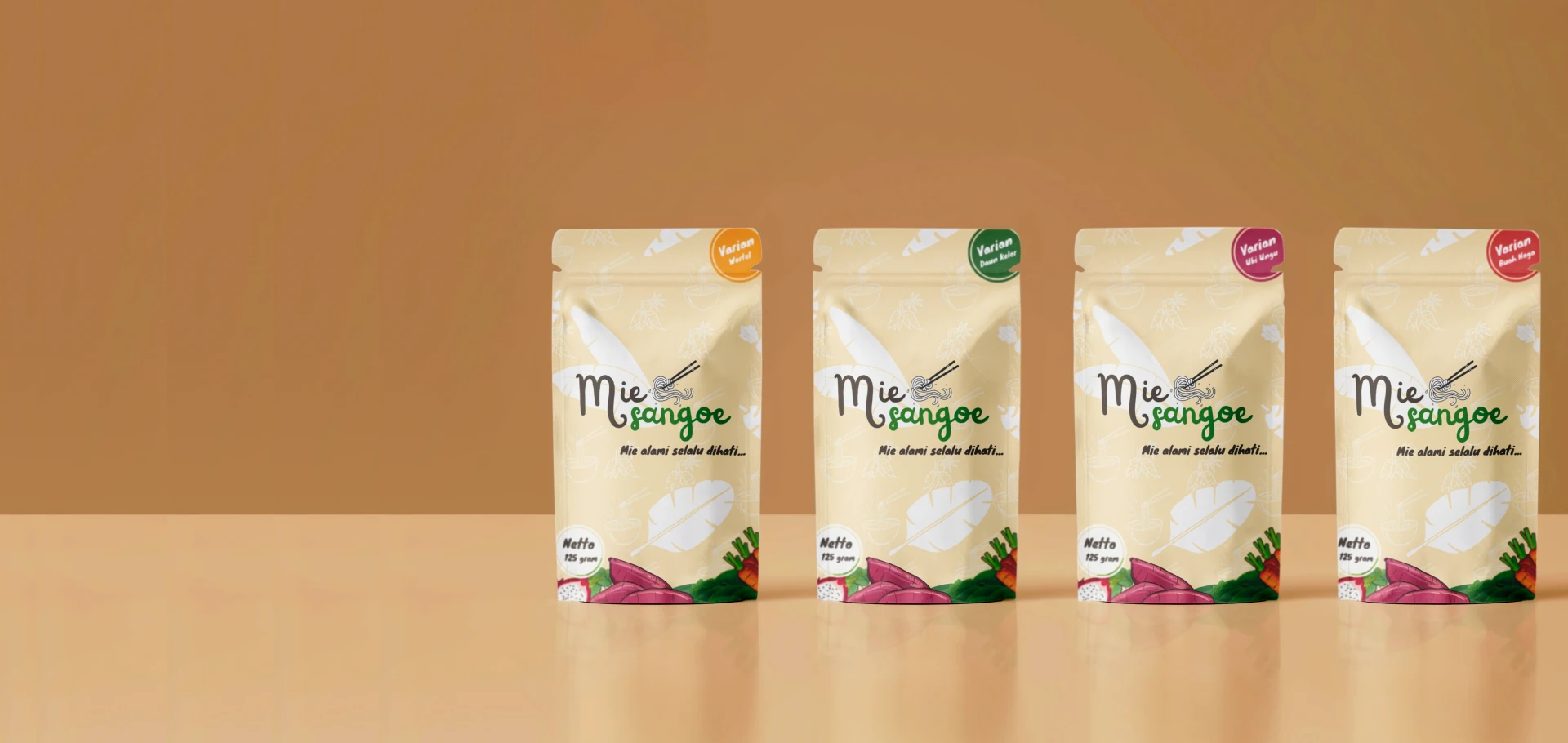
The team, led by Amirul Chanifah, Fauzan Dhany Hammam, Inta Novia Eka Filasari, M. Amdan Afdzulah, and M. Rizki Abid Pratama, introduced their innovative product, Mie Sangoe. This instant noodle is made from mocaf flour and banana ares flour, offering a gluten-free alternative.
Amirul Chanifah, explained that their innovation was driven by the high consumption of instant noodles in Indonesia, which often contain a significant amount of gluten.
According to Halodoc, gluten is a structural protein naturally found in certain cereal grains. It is commonly present in foods made from wheat flour, such as bread, noodles, pasta, cookies, and pastries.
For people with certain medical conditions, gluten can cause various disorders, including celiac disease, non-celiac gluten intolerance or gluten sensitivity, and wheat allergy.
“The gluten content in instant noodles, if consumed regularly, can negatively impact health. Therefore, we created gluten-free noodles made from mocaf and ares flour,” Amirul explained in a virtual interview on Monday (20/5/2024).
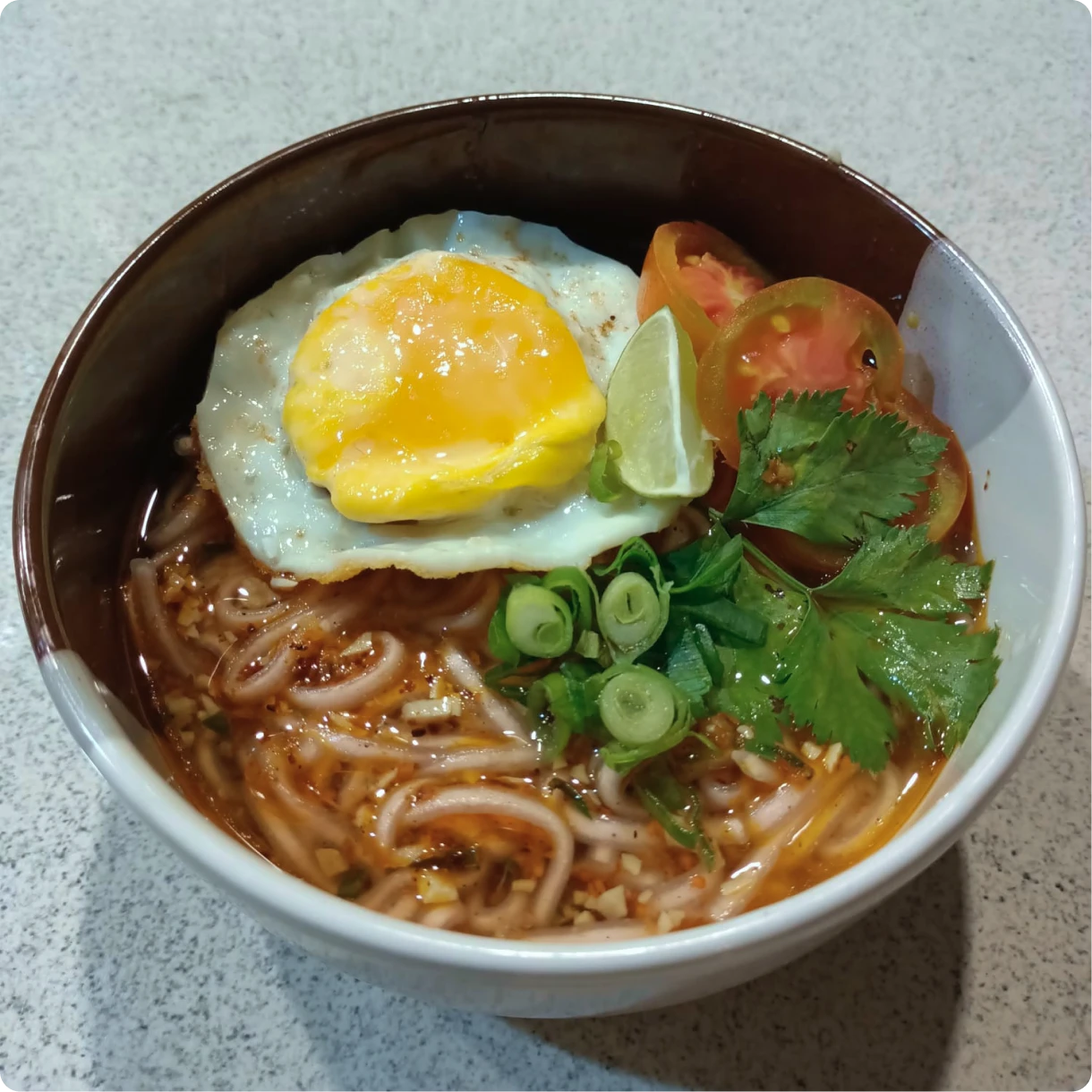
Mocaf flour is a modified cassava flour used to replace wheat flour in various recipes, including instant noodles. Several manufacturers in Indonesia have produced and marketed mocaf flour as a gluten-free alternative.
Amirul combines mocaf flour with banana ares flour to create Mie Sangoe’s unique composition. Banana ares flour, made from banana stems, is a suitable replacement for wheat flour in various foods, adding nutritional value and maintaining the noodles’ gluten-free quality.
Banana ares flour is nutrient-rich. 100 grams of dried banana stem material contains 425 kcal of energy, 3.45 grams of protein, 66.2 grams of carbohydrates, 58.89 grams of fiber, 60 mg of calcium, 150 mg of phosphorus, 2 mg of iron, 0.04 mg of vitamin B1, 4 mg of vitamin C, and water.
“By adding ares flour, the noodles’ texture becomes chewier,” explained Amirul, a student from Tuban. Moreover, banana stem waste has not been utilized well, so we turned banana stems into flour.”
In addition to the two flours, Amirul also used several natural ingredients as food colorings, such as moringa leaf extract, carrot, dragon fruit, and purple sweet potato. These extracts offer numerous health benefits and provide different flavors to Mie Sangoe.
Moringa leaves are rich in flavonoids, phenolics, and over 40 antioxidants. They can boost the immune system and slow the onset of degenerative diseases associated with aging. Carrots are high in vitamin A and carotene, which have cancer-preventing properties.
Dragon fruit contains substances like phenols, flavonoids, vitamin C, and betasianin, which help lower total blood cholesterol levels due to their antioxidant properties. Purple sweet potato is rich in antioxidants, vitamins C and E.
The usage of natural ingredients in Mie Sangoe allows Amirul and Abid to confidently label their healthy instant noodles as gluten-free, vegan-friendly, and naturally colored. This aligns perfectly with their product tagline: Mie alami selalu dihati! Meaning natural noodles are always in the heart!
One of Mie Sangoe’s team members, M. Rizki Abid Pratama, eagerly shared his and his team’s experiences in the National Education Competition.
Initially, they participated in the online script selection, competing against 1,604 students from all over Indonesia.
Mie Sangoe eventually advanced to the national level, where they had to present their business plan to a panel of judges at UIN Syarif Hidayatullah Jakarta. “There were 150 teams representing 64 universities in Indonesia, including UMS,” said the student from Lampung.
There are seven business plan categories in the competition: culinary, education, creative industry, technology, tourism, health, and agriculture. Participants compete for gold, silver, and bronze medals in each category.
Abid and Amirul admitted they were nervous when presenting their business plan, as they were competing against top universities in Indonesia. “I was nervous during the competition yesterday. But we were confident because we had prepared well,” said Abid, who said they had spent a month preparing the presentation.
They employed several techniques to make their presentation engaging, aiming to score the highest points and win the competition. These techniques included creating jingle to open the presentation, delivering an oration before the presentation, and incorporating choreography during the presentation.
“These techniques made us enjoy presenting Mie Sangoe’s business plan,” Amirul recalled about the competition. The combination of their healthy noodle innovation and engaging presentation techniques successfully led them to become champions in the culinary field, earning them gold medals.
After the winners in each field were announced, the participants who won gold medals competed again in the final round to determine the overall winner. In this round, all the judges from each field assessed the presentations of the gold medalists
The presentation round to determine the overall champion left a special impression on Amirul and Abid. Not only did they have to present their business plan in front of all the judges, but they also had to do so in front of all the National Education Competition participants.
“We had to present our product again, with a longer question and answer session,” Amirul recalled. Due to their hard work developing the concept and creativity in presenting the material, Mie Sangoe emerged as the overall champion in the 2024 National Education Competition.
Instant noodles are a staple in Indonesia, with numerous brands and flavors filling the shelves of grocery stores and supermarkets. Their popularity stems from several factors: they are quick and easy to prepare, cater to local tastes, and are affordable. These qualities make instant noodles everyone's favorite.
According to the World Instant Noodles Association, Indonesia ranks as the second-largest consumer of instant noodles in the world, as reported by Katadata. In 2023 alone, Indonesians consumed 14.54 billion servings of instant noodles, accounting for 12% of global consumption.
Amirul sees the high consumption of instant noodles in Indonesia as an opportunity to introduce quality and healthy alternatives. One issue she frequently encounters is the portion size of a typical packet of instant noodles.
Instant noodles on the market typically weigh 75 to 90 grams per packet. “If you eat one packet of instant noodles, it’s not enough. If you eat two packets, it’s too much,” Amirul joked. This portion problem led him and his team to take the initiative to create instant noodles weighing around 125 grams, or one and a half times bigger than the usual instant noodles.
The taste of healthy noodles on the market is also a concern. Amirul noticed that many instant noodle producers, who label their products as healthy, often neglect the taste quality. To address this, he innovated by including chili oil in the Sangoe Noodle packaging, enhancing the flavor and making healthy noodles more appealing to consumers.
“We believe the flavors we offer will be well-received by consumers, especially among Gen Z, without compromising the nutritional value of the noodles,” she continued. Amirul, a final-semester student, mentioned that a 125g package of Mie Sangoe is priced at Rp8.000.
Mie Sangoe was initially produced on a small scale for testing purposes and taste tests. “We only offered it to our close friends for feedback. It hasn’t been offered in the marketplace or placed in souvenir shops yet,” she continued.
Although the product has not yet been mass-produced, Amirul and Abid are determined that Mie Sangoe will not stop at being just a business proposal. They hope Mie Sangoe can be further developed for production and marketing.
“We hope that Mie Sangoe can be projected to a healthy food business as Gen Z must become more aware of healthy food” said Abid, concluding the interview.
Writer: Gede
Editor: Al Habiib Josy Asheva
Translator: Farizal Luqman Majid
Sheep dunged nutrient-rich organic fertilizer for plants, made with the help of maggots. Built on community empowerment and a zero-waste principle.
Nothing’s more special than reading curated news just for you.
Subscribe to the UMS Newsletter for free today.