Peace and Justice for All
University Government Election
Student Club
Engagement with Local Stakeholders
University's Principles
University Financial Data
Expert's Advice for Local Government
Outreach General Education
Policy-focused Research
Neutral Platform for Multi-Stakeholder Dialogue

University Government Election

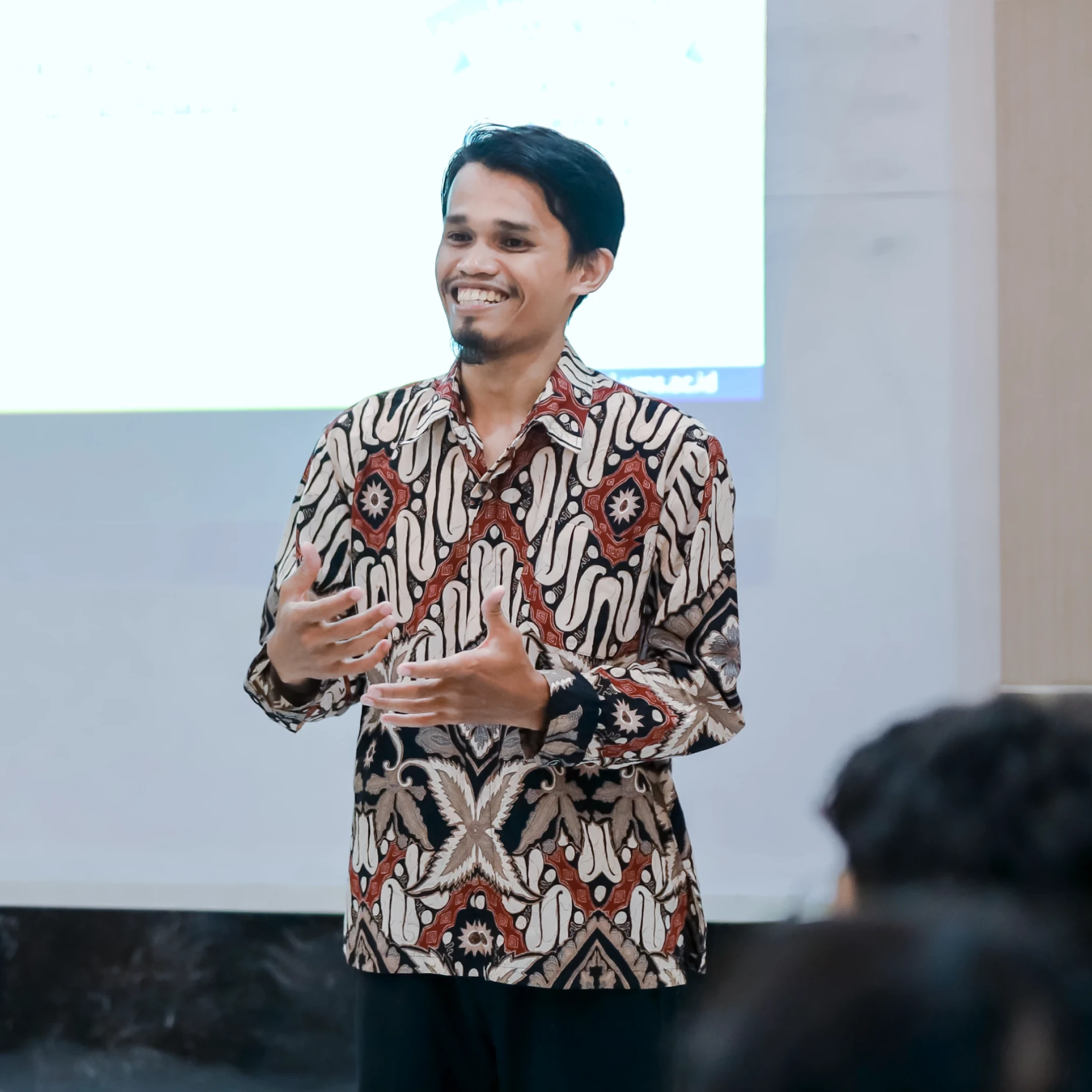
The statutes of Universitas Muhammadiyah Surakarta (UMS), as outlined in Article 37, define the composition of the Academic Senate as part of the university’s highest governing body. Faculty representatives are elected to serve within this structure, ensuring academic participation in strategic decision-making, policy formulation, and institutional governance.

UMS Statutes

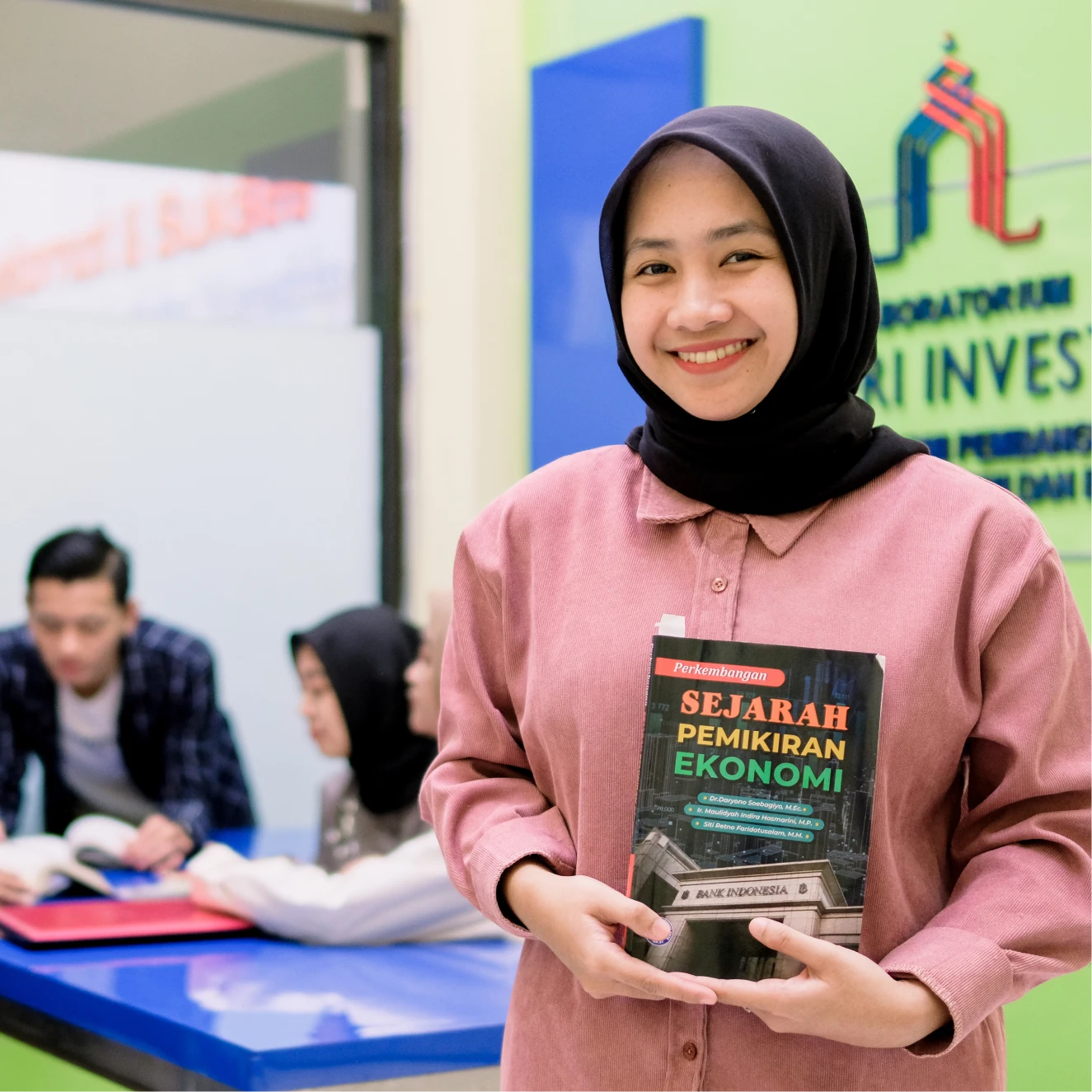
Student Club

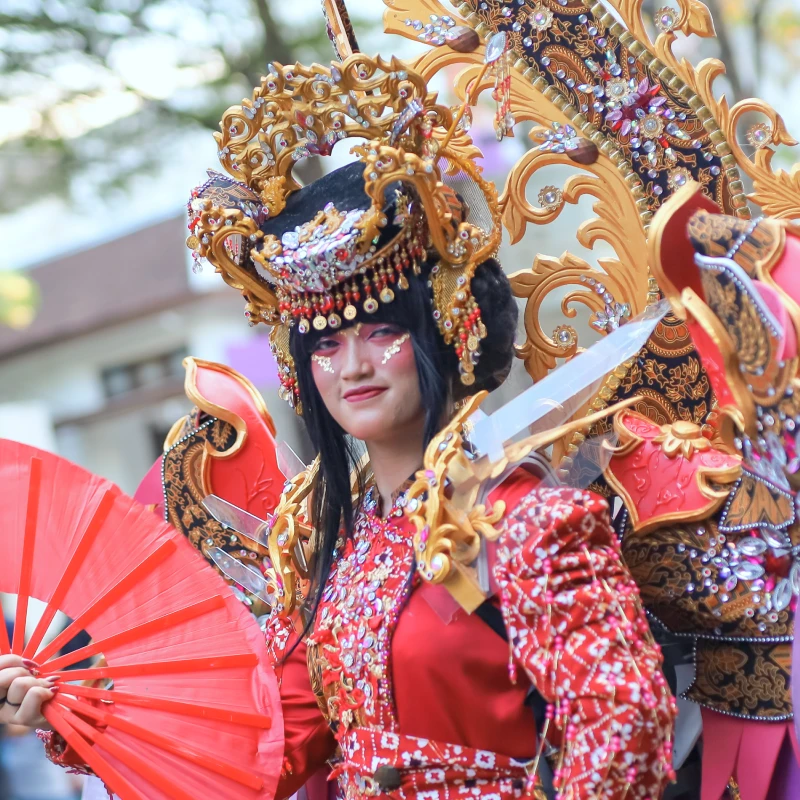
Student representation at UMS is facilitated through a broad network of over 30 student clubs, communities, and the Student Senate, which serves as the formal liaison between students and the university administration. While UMS does not maintain a separate, independent student union, the Student Senate and affiliated organizations play active roles in governance input, academic support, and social engagement, ensuring that student voices are consistently represented in institutional decision-making processes.

Student Clubs at UMS

Engagement with Local Stakeholders

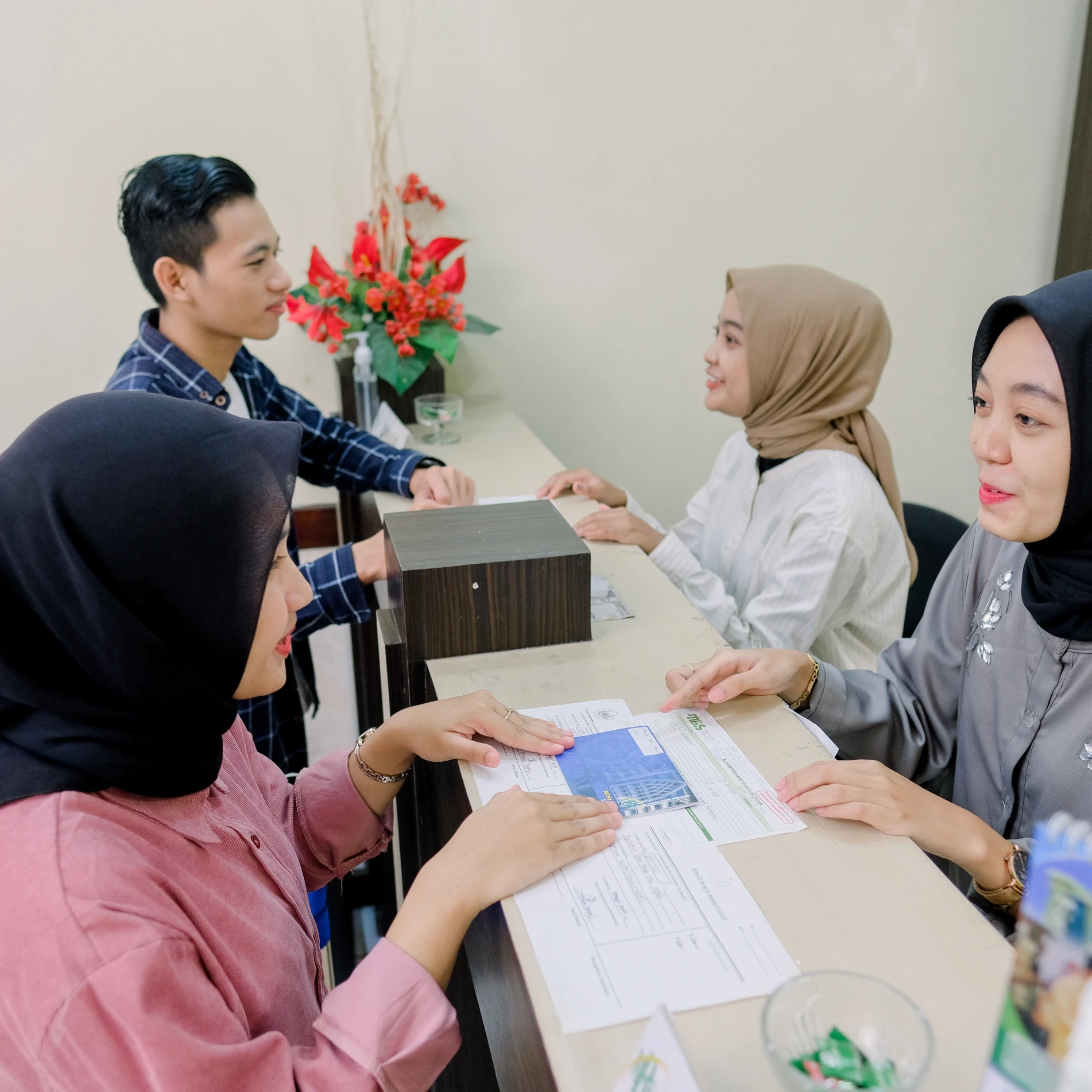
Policies and procedures at UMS guide structured engagement with local external stakeholders to strengthen collaboration and achieve university objectives. Governed by the Standard Operating Procedure (SOP) on Partnership Management and the Development Management Board, these policies enable the university to form and manage partnerships with local governments, companies, community organizations, and educational institutions. This framework ensures that all collaborations are transparent, mutually beneficial, and aligned with UMS’s vision for social and economic development.

UMS Rector Welcomes Visit from Bank Jateng Syariah to Strengthen Collaboration in Various Fields

UMS SOP on Partnership and Development Management Board Policy

University's Principles

Universitas Muhammadiyah Surakarta has formalized its commitment to combating corruption and bribery through policies published in the Islamic Life Guidelines and the university's Integrity Pact. Articles 8 and 15 of these guidelines require new lecturers and educational staff to sign an agreement to adhere to UMS's ethical standards, including anti-corruption and anti-bribery practices. Likewise, new students are required to sign this pact, committing to uphold these values ​​throughout their academic journey. These policies demonstrate UMS' commitment to ensuring a corruption-free environment, in line with Islamic principles of integrity and ethics.

UMS Academic Community Life Guidelines

University Financial Data

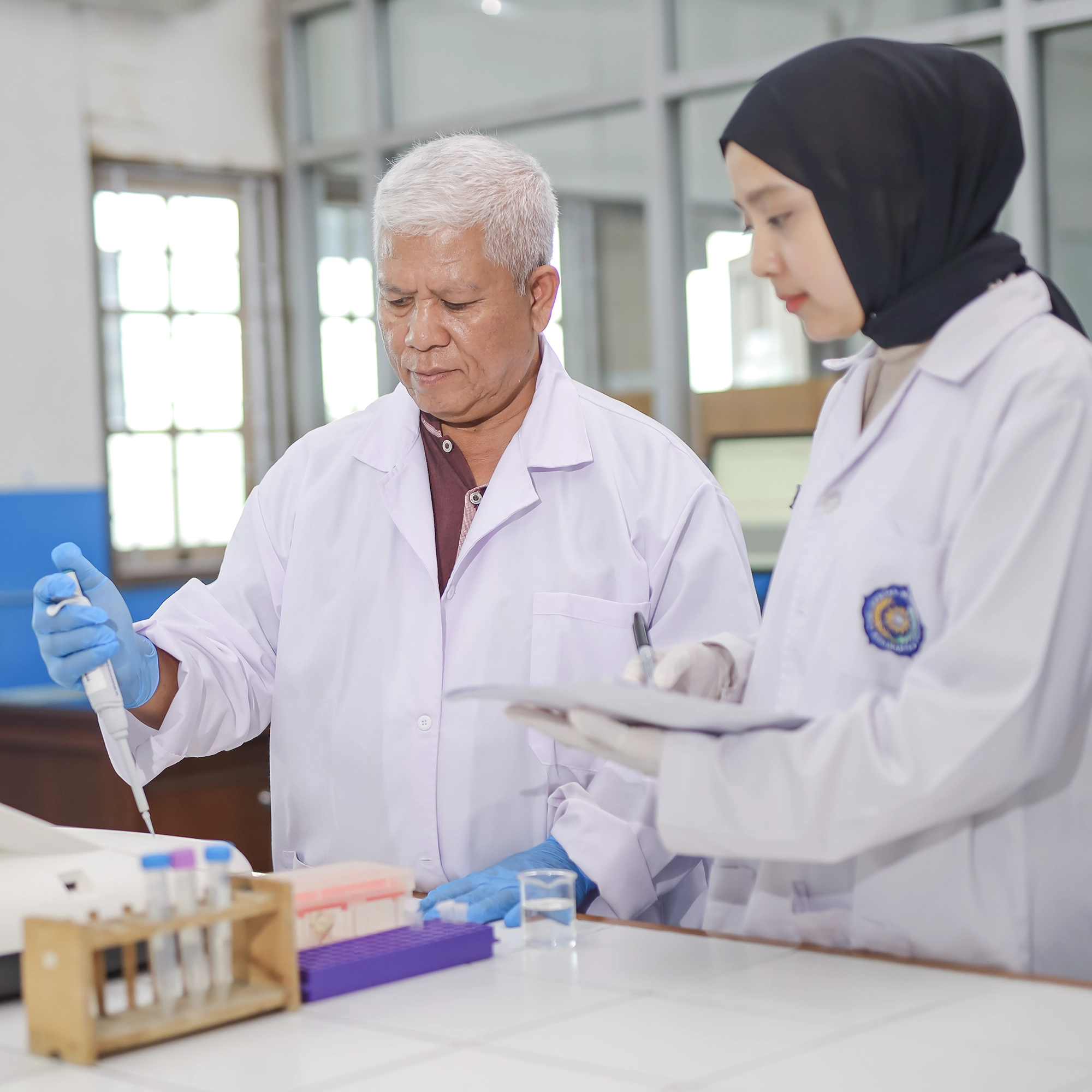
Universitas Muhammadiyah Surakarta ensures financial transparency by publishing an annual financial report. The university implements a strict and transparent financial management process, including budget planning, management, and accountability. In addition to annual audits conducted by the Internal Audit Bureau and periodic audits by external public accountants, the university's financial data is also publicly available, ensuring transparency and accountability. This effort is also supervised by the Muhammadiyah Central Leadership Financial Supervision and Development Agency (LPPK PP).

UMS Financial Audit

Expert's Advice for Local Government

Universitas Muhammadiyah Surakarta (UMS) actively provides expert advice to local, regional, and national governments to support the achievement of the Sustainable Development Goals (SDGs). This includes policy direction, participation in relevant committees, and offering evidence-based recommendations on key issues such as economics, law, climate change, and technology. Through these outreach and consultation initiatives, UMS equips policymakers with the insights and tools needed to address critical global challenges. For more information on the role of UMS expert advisors, please see the "Role of UMS Expert Advisors" section.

PSPK UMS Participates in the Preparation of the Technocratic Draft of the Central Java Provincial RPJPD

Outreach General Education

UMS enhances policymaker capacity through outreach programs, training, and strategic dialogues addressing sustainable governance and education. In July 2024, the SDGs Center UMS organized a high-level discussion titled “Sinergi Pendidikan Nasional dan SDGs Menuju Indonesia Emas 2045: Memperkuat Peran Institusi Pendidikan dalam Pengembangan Berkelanjutan” (“Synergy between National Education and the SDGs toward a Golden Indonesia 2045: Strengthening the Role of Educational Institutions in Sustainable Development”), involving local government representatives, school leaders, universities, and UNESCO-IHP experts. The forum explored policy strategies to improve national education quality and achieve SDG 4 (Quality Education). This initiative demonstrates UMS’s commitment to building policymaker capacity and advancing sustainable education policies.

UMS Holds SDGs Discussion, Talks About Quality Education

Policy-focused Research

UMS actively conducts policy-oriented research in collaboration with government departments to support sustainable development and evidence-based policymaking. A notable example is the study led by Dr. Nurul Hidayati, a transportation and traffic safety expert from UMS, titled “Evaluation of Public Transportation Implementation as Part of Supporting Sustainable Transportation.” The research, aligned with the Ministry of Transportation’s National Movement to Return to Public Transportation and the Push and Pull Policy, evaluated terminal, bus, and bus stop facilities across Central Java using Importance–Performance Analysis (IPA) and Customer Satisfaction Index (CSI) methods. The findings, published in the Civil Engineering and Architecture journal, provide the government with data-driven insights to improve safety, equality, and accessibility in public transportation systems. This initiative demonstrates UMS’s vital role in shaping policy for sustainable mobility and inclusive infrastructure development.

Making Public Transport Public Darling

Neutral Platform for Multi-Stakeholder Dialogue

Universitas Muhammadiyah Surakarta (UMS) provides a neutral and safe platform for diverse stakeholders to exchange ideas and discuss key educational and policy challenges. In July 2024, UMS hosted the “Sarasehan Perencanaan dan Penilaian dalam Pembelajaran Bahasa Indonesia bagi Penutur Asing (BIPA)” forum in collaboration with the Central Java Language Center (Balai Bahasa Jateng) and the Ministry of Education, Culture, Research, and Technology, bringing together academics, government representatives, and linguistic experts to deliberate on national language diplomacy and education planning. UMS also hosted the First Forum on Planning and Development Communication for Muhammadiyah and Aisyiyah Universities (PTMA), a hybrid meeting uniting higher education leaders across Indonesia to collaboratively address strategic challenges in higher education management. Both events reflect UMS’s commitment to maintaining an open, inclusive, and non-political academic environment that encourages constructive dialogue and collaboration among institutions and government bodies.

Balai Bahasa Provinsi Jawa Tengah Teams Up with Universitas Muhammadiyah Surakarta to Host a Scientific Forum Discussing BIPA Teaching

UMS Hosts the Inaugural Communication Forum on Planning and Development for PTMA

Study Centers

Campus Initiatives for SDG 16

image-featured
9 July 2026

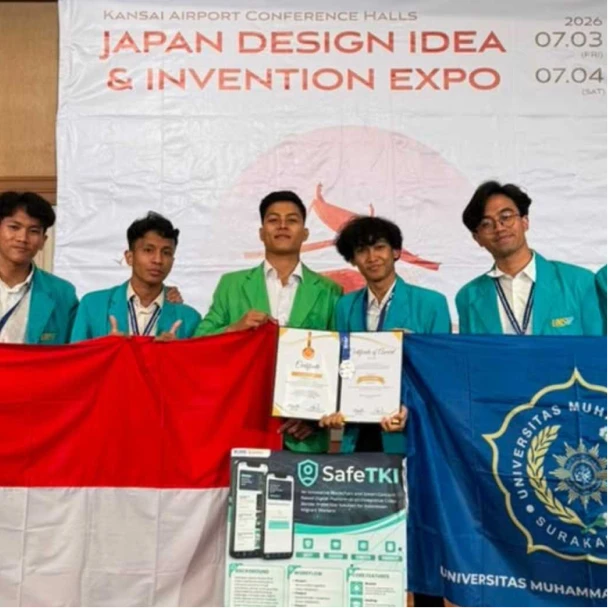
UMS students create an employment platform to protect migrant workers from the risks of data misuse, employment contract violations, and various administrative issues.
sdgs-label
sdgs-badge
sdgs-badge
image-featured
17 March 2026

Komdigi will deactivate social media access starting 28 March 2026, for users under 16 years old, in an effort to delay children's access to high-risk digital platforms.

sdgs-label
sdgs-badge
image-featured
6 March 2026

Disaster management must be aligned with disaster communication that is fast, accurate, and empathetic toward victims. This supports recovery efforts and delivers certainty for the public.

sdgs-label
sdgs-badge
image-featured
9 July 2026

UMS Once Again Brings Pride to Indonesia, Students Win Silver Medal at International Innovation Event in Japan

UMS students create an employment platform to protect migrant workers from the risks of data misuse, employment contract violations, and various administrative issues.

sdgs-label
sdgs-badge
sdgs-badge
image-featured
17 March 2026

The Reason Behind Social Media Restrictions for Children

Komdigi will deactivate social media access starting 28 March 2026, for users under 16 years old, in an effort to delay children's access to high-risk digital platforms.

sdgs-label
sdgs-badge
image-featured
6 March 2026

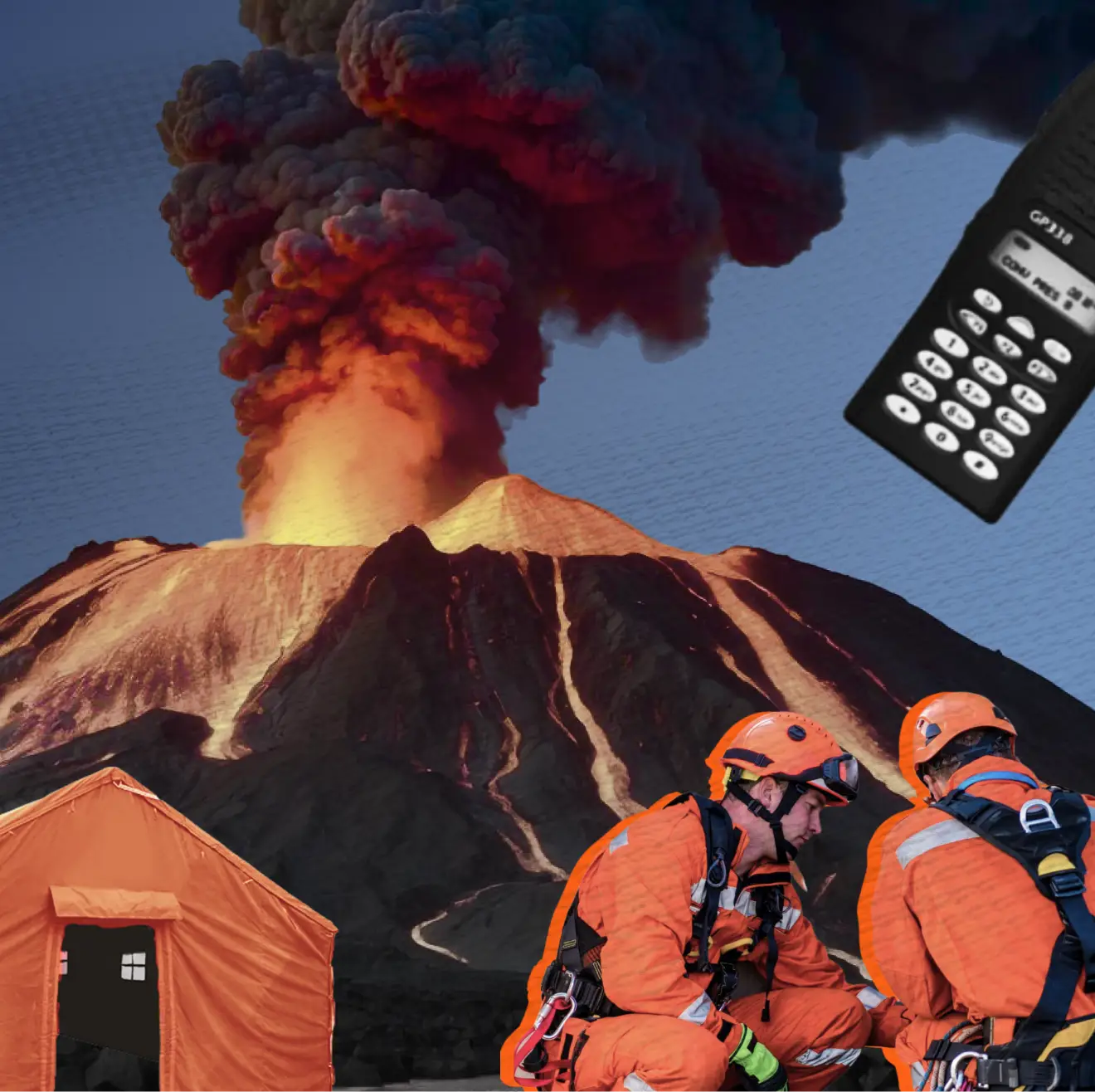
Disaster Communication Drives Community Recovery

Disaster management must be aligned with disaster communication that is fast, accurate, and empathetic toward victims. This supports recovery efforts and delivers certainty for the public.

sdgs-label
sdgs-badge

Our Noble Pursuit